Introduction
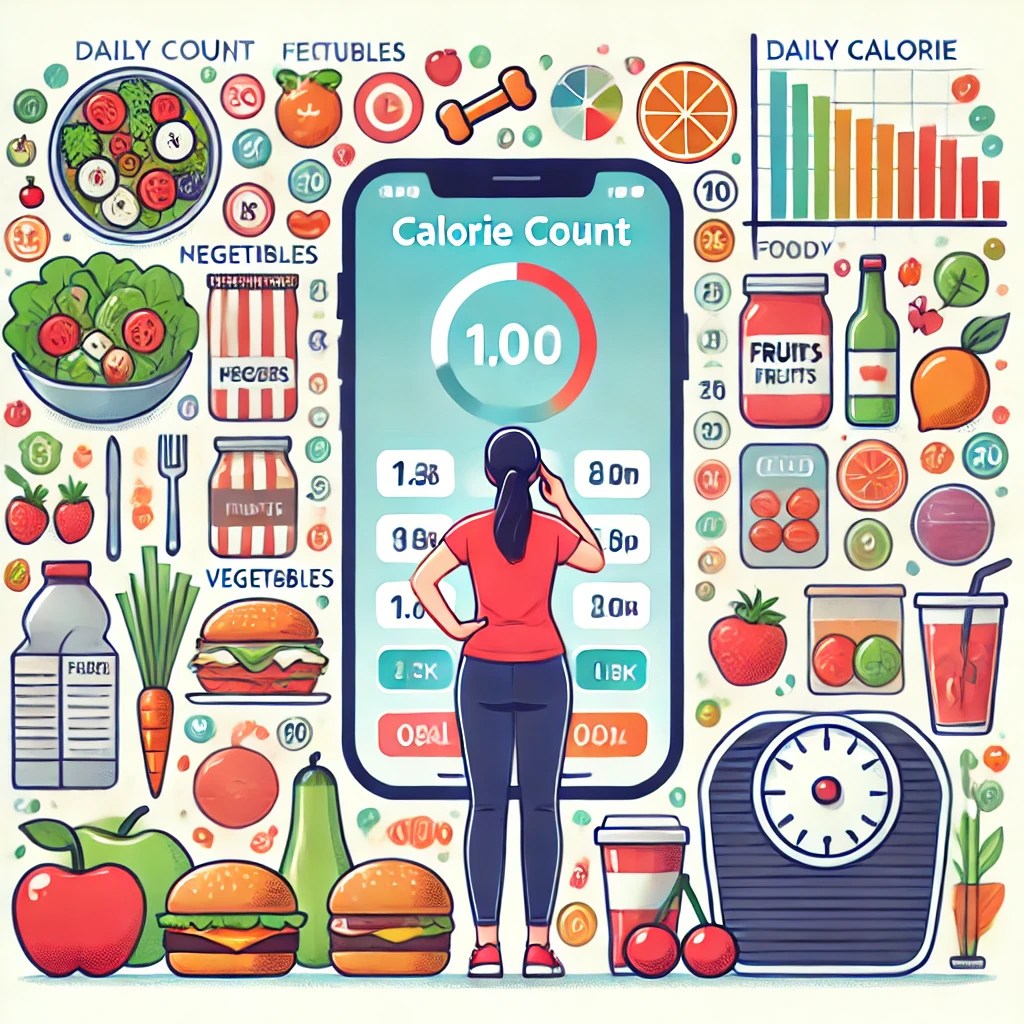
Weight loss is a multifaceted goal for millions of individuals worldwide. It’s often perceived as a daunting journey, involving a mix of dietary changes, exercise, and behavioral modifications. At the core of many successful weight-loss plans is the concept of calorie counting, a technique used to track the energy consumed through food and drink in comparison to the energy expended through daily activities and exercise. This practice, although sometimes debated, has been a fundamental principle in many diet programs for decades.
In this article, we’ll delve into the science behind calorie counting, its role in weight loss, the benefits, challenges, and practical tips for making it work effectively. By understanding how calorie counting fits into the broader spectrum of health and wellness, you can decide whether it’s the right approach for your weight-loss journey.
Understanding Calories and Energy Balance
Calories are units of energy that the body needs to perform basic functions, such as breathing, circulating blood, and cellular growth, as well as physical activities like walking, exercising, or even digesting food. The energy from calories is derived from the macronutrients in food—carbohydrates, fats, and proteins. Each gram of carbohydrate and protein contains about 4 calories, while a gram of fat contains about 9 calories.
The principle of weight loss through calorie counting revolves around the concept of energy balance. This means that the calories you consume must be less than the calories your body expends. This idea, often referred to as “calories in versus calories out,” is the foundation of weight management.
- Caloric Deficit: When you consume fewer calories than your body needs, you create a caloric deficit. This deficit prompts the body to tap into stored fat for energy, leading to weight loss.
- Caloric Surplus: Conversely, when you consume more calories than you burn, the excess energy is stored as fat, leading to weight gain.
- Caloric Maintenance: When the calories you consume match the calories you burn, your weight remains stable.
The Science Behind Calorie Counting for Weight Loss
The science of calorie counting is simple: weight loss occurs when you create a caloric deficit over time. Research has consistently shown that when individuals eat fewer calories than they burn, they lose weight. This is true across various diet types, whether high-carb, low-carb, high-fat, or low-fat.
In practice, however, the body’s energy needs and metabolism are influenced by numerous factors, including age, sex, weight, body composition, and activity levels. To tailor calorie counting effectively for weight loss, it’s important to understand the concept of basal metabolic rate (BMR) and total daily energy expenditure (TDEE).
- Basal Metabolic Rate (BMR): This is the number of calories your body needs to maintain basic functions, such as breathing, without considering physical activity. The BMR accounts for about 60-70% of the total calories burned each day.
- Total Daily Energy Expenditure (TDEE): This is the total number of calories burned in a day, including BMR and additional calories burned through physical activities, such as exercise, work, and even small movements like fidgeting.
By estimating your BMR and TDEE, you can determine how many calories you should consume to maintain your current weight and how many calories to reduce for weight loss. Many calorie-counting apps or online calculators make it easy to estimate these values.
Benefits of Calorie Counting for Weight Loss
Calorie counting offers several advantages, especially for those who prefer a structured approach to their weight loss journey. Here are some of the primary benefits:
- Awareness and Control: One of the biggest benefits of calorie counting is that it creates awareness of the food and drink you consume. Many people underestimate how many calories are in certain foods, particularly snacks, condiments, or drinks. By tracking calories, you become more mindful of your consumption and can make informed choices.
- Flexibility: Unlike some restrictive diets that require you to eliminate certain food groups, calorie counting allows for flexibility. You can still enjoy your favorite foods as long as you stay within your daily calorie budget, making it more sustainable in the long term.
- Accountability: When you track what you eat, you become more accountable to yourself. It’s harder to “cheat” or indulge in unhealthy eating habits when you see the numbers adding up. Many apps provide features to set goals, track progress, and even log daily exercise, keeping you motivated.
- Customization: Calorie counting can be tailored to your individual needs. Whether you’re following a specific diet like keto or vegan, or have dietary restrictions due to health conditions, you can adjust your calorie intake to meet your personal goals.
- Enhanced Nutrition: Many calorie-counting apps not only track calories but also offer insights into your macronutrient intake (carbs, fats, and proteins). This can help you improve the quality of your diet by ensuring you’re getting a balance of nutrients, rather than focusing solely on calorie reduction.
Challenges and Pitfalls of Calorie Counting
While calorie counting has its merits, it’s not without challenges. For some people, the process can be tedious, stressful, or even ineffective if not done correctly. Here are some of the potential pitfalls to watch out for:
- Inaccuracy in Tracking: One of the main issues with calorie counting is that it can be difficult to track everything you eat with precision. Restaurant meals, homemade dishes, and packaged foods may not always have clear calorie information, and portion sizes can be easily misjudged. Additionally, food labels can sometimes be off by as much as 20%, according to the FDA.
- Focus on Quantity Over Quality: A common mistake with calorie counting is focusing purely on the number of calories, rather than the nutritional quality of the food. For instance, a 500-calorie meal of fast food may provide little nutritional value compared to a 500-calorie meal consisting of lean proteins, vegetables, and whole grains.
- Obsessive Behavior: For some individuals, calorie counting can lead to an unhealthy obsession with food, leading to stress, anxiety, or disordered eating. If you find yourself becoming overly fixated on hitting specific numbers or constantly worrying about every bite you take, it may be time to take a step back and reassess your approach.
- Neglecting Non-Caloric Factors: Weight loss is not only about calories; other factors like hormonal balance, sleep, stress, and hydration play significant roles in your overall health. Focusing solely on calories while neglecting these aspects may hinder your progress in the long run.
- Adaptation and Plateaus: As you lose weight, your body’s energy needs decrease. This means that your caloric deficit will shrink over time, potentially leading to weight-loss plateaus. Constantly reducing calorie intake in response can be unsustainable and may negatively impact your metabolism and muscle mass if not done carefully.
Practical Tips for Effective Calorie Counting
To make calorie counting work for you, it’s essential to follow best practices that help you stay consistent without becoming overwhelmed. Here are some practical tips:
Top On Sale Product Recommendations!
Shoes men new trend men’s shoes breathable lace-up running shoes Korean version light casual sports shoes
Price Now: EUR 0.49 (Original price: EUR 1.07, 54% off)
🔗Click & Buy: https://s.click.aliexpress.com/e/_EySWODX

- Use Reliable Tools: Leverage apps like MyFitnessPal, Cronometer, or Lose It! to make tracking easier. These apps provide extensive food databases, including options for homemade meals and restaurant dishes. They also offer barcode scanning features for packaged foods.
- Measure Portions: Use measuring cups, spoons, or a food scale to accurately portion out your meals. This helps prevent underestimating or overestimating the number of calories you’re consuming.
- Focus on Whole Foods: Whenever possible, aim for whole, unprocessed foods, which are more nutrient-dense and easier to track than packaged or processed options. Additionally, whole foods tend to be more filling, helping to prevent overeating.
- Plan Ahead: Planning meals and snacks in advance can help you stick to your calorie goals more effectively. You’ll be less likely to make impulsive food choices when you’ve already accounted for your meals.
- Be Patient and Consistent: Weight loss doesn’t happen overnight, and there may be fluctuations along the way. The key is to remain consistent with your calorie tracking, adjusting your intake and activity levels as needed, and being patient with the process.
- Incorporate Physical Activity: Exercise can help create a greater caloric deficit and support your weight-loss goals. When combined with calorie counting, exercise boosts metabolism and preserves muscle mass during fat loss.
- Listen to Your Body: While tracking calories is a useful tool, it’s also important to listen to your body’s hunger and fullness cues. If you’re hungry, it’s okay to eat a little more, and if you’re full, don’t force yourself to meet a calorie quota. Weight loss is a balance of science and self-awareness.
Calorie Counting and Sustainability
A critical aspect of any weight-loss plan is sustainability. Many people achieve short-term success through calorie counting but struggle to maintain their results in the long term. To avoid this, it’s essential to use calorie counting as a tool rather than a permanent way of life.
Over time, as you become more familiar with portion sizes and the calorie content of various foods, you may find that you no longer need to track every meal meticulously. Instead, you can rely on intuitive eating and balanced meal planning. The goal is to develop healthy habits that last beyond the initial weight-loss phase.
Is Calorie Counting Right for You?
While calorie counting has proven effective for many, it’s not the only approach to weight loss, and it’s not suitable for everyone. Some individuals may find it too restrictive or tedious, while others may benefit from a more flexible or mindful eating
 WEIN
WEIN 