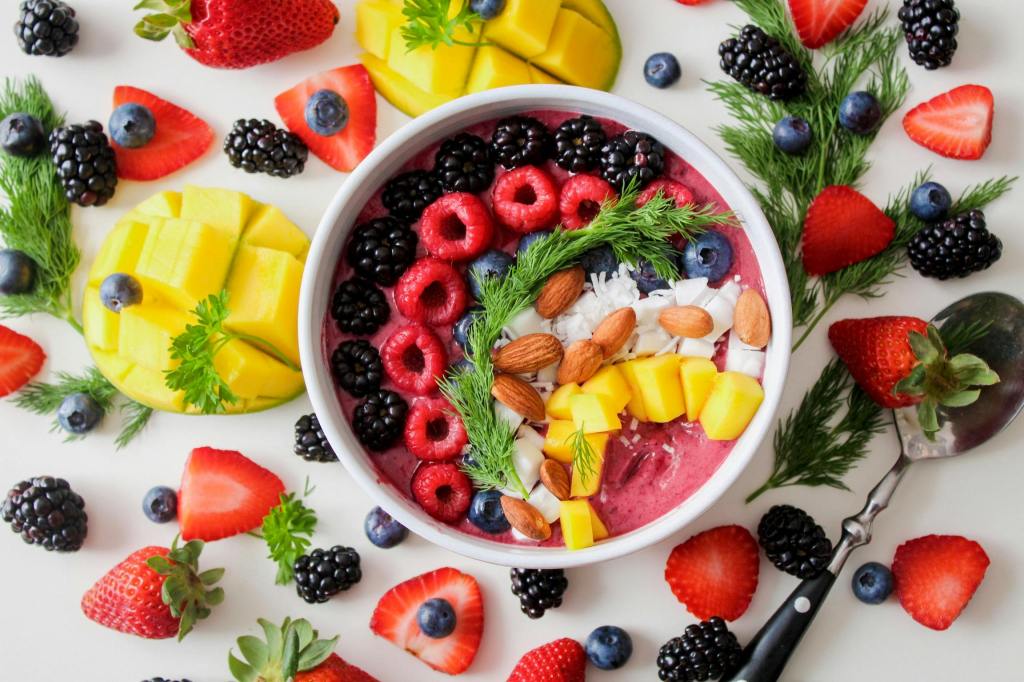
If you’re following a meat-free diet—whether for health, environmental reasons, or ethical beliefs—getting enough protein is a top concern. Proteins are essential nutrients that support muscle repair, immune function, and many other bodily processes. Fortunately, there are numerous plant-based protein sources that can provide a satisfying amount of protein while offering additional health benefits like fiber, vitamins, and minerals. Here’s a guide to help you navigate high-protein options without meat.
1. Legumes
Legumes, which include beans, lentils, chickpeas, and peas, are nutritional powerhouses packed with protein and fiber. They’re versatile and can be incorporated into a variety of dishes.
- Lentils: One cup of cooked lentils has around 18 grams of protein. Lentils are also rich in iron, which is essential for energy and oxygen transport in the body.
- Chickpeas: With about 15 grams of protein per cup, chickpeas are perfect for salads, curries, and even roasted as a crunchy snack.
- Black Beans: These provide about 15 grams of protein per cup and work well in soups, burritos, and veggie burgers.
2. Quinoa and Other Whole Grains
While grains are typically lower in protein than legumes, certain whole grains are valuable sources of plant-based protein.
- Quinoa: Often called a “complete protein” because it contains all nine essential amino acids, one cup of cooked quinoa has around 8 grams of protein.
- Farro and Barley: Both are high in fiber and protein, with farro offering about 6 grams per cup and barley close to 5 grams.
- Brown Rice: Pairing brown rice with beans or vegetables can create a balanced, protein-rich meal.
3. Tofu, Tempeh, and Edamame (Soy Products)
Soybeans are another complete protein, making them a key protein source for vegetarians and vegans.
- Tofu: Half a cup of tofu provides around 10 grams of protein. Tofu is incredibly versatile and absorbs flavors well, making it a great addition to stir-fries, soups, and salads.
- Tempeh: With 15 grams of protein per half-cup, tempeh has a nutty flavor and a firmer texture than tofu. It’s perfect for grilling, sautéing, or crumbling into sauces.
- Edamame: Young soybeans, or edamame, have about 17 grams of protein per cup when cooked. They make a great snack or addition to salads and rice dishes.
4. Nuts and Seeds
Nuts and seeds provide healthy fats and a moderate amount of protein, perfect for snacking or adding texture to meals.
- Almonds: A quarter-cup serving has around 7 grams of protein. Almonds are great in salads, baked goods, or as a nut butter.
- Chia Seeds: Just two tablespoons provide about 4 grams of protein and are rich in omega-3 fatty acids. They’re great for chia pudding, smoothies, or sprinkled over oatmeal.
- Pumpkin Seeds: One ounce contains about 9 grams of protein. Pumpkin seeds can be eaten on their own, tossed in salads, or added to granola.
5. Nutritional Yeast
Nutritional yeast is a deactivated yeast that adds a cheesy flavor to dishes. It’s particularly popular in vegan cooking.
- Two tablespoons of nutritional yeast have around 8 grams of protein. You can sprinkle it over pasta, popcorn, or soups for a savory flavor boost. Nutritional yeast is also often fortified with vitamin B12, a nutrient that can be harder to obtain on a plant-based diet.
6. Vegetables with Higher Protein Content
While vegetables aren’t as protein-dense as legumes or grains, some contain surprising amounts of protein and can help increase your intake.
- Spinach: One cup of cooked spinach has around 5 grams of protein. Spinach is versatile and works well in smoothies, salads, and stir-fries.
- Broccoli: One cup of broccoli contains about 4 grams of protein. This vegetable is excellent steamed, roasted, or added to soups.
- Brussels Sprouts: A cup of cooked Brussels sprouts offers around 4 grams of protein, plus a good amount of fiber and vitamin C.
7. Seitan (Wheat Gluten)
Seitan, often called “wheat meat,” is made from gluten, the protein component of wheat. It has a texture similar to meat and is often used as a meat substitute.
- Seitan packs a powerful 21 grams of protein per 3-ounce serving. It absorbs flavors well and can be used in stir-fries, sandwiches, and curries. However, it should be avoided by those with gluten sensitivity or celiac disease.
8. Protein-Rich Snacks and Supplements
If you’re on the go or want to ensure you’re hitting your protein goals, consider snacks and supplements that provide a protein boost.
- Protein Bars: Look for plant-based protein bars made with ingredients like nuts, seeds, and pea protein, which can offer up to 10-20 grams per bar.
- Pea Protein Powder: With about 20 grams per scoop, pea protein powder can be added to smoothies or baked goods.
- Greek Yogurt (Non-Dairy Alternatives): Many dairy-free yogurts now contain added protein from sources like almonds, coconut, or soy, making them a convenient, high-protein snack.
Sample Daily Meal Plan for a Meat-Free High-Protein Diet
Breakfast: Chia pudding made with almond milk, chia seeds, and a sprinkle of nuts, providing around 10-15 grams of protein.
Lunch: Quinoa salad with black beans, chickpeas, spinach, and a sprinkle of nutritional yeast for an extra 20 grams of protein.
Dinner: Stir-fried tofu with broccoli, edamame, and brown rice, for a total of 25-30 grams of protein.
Snack: Greek-style almond yogurt with pumpkin seeds and a scoop of pea protein powder, offering around 15 grams of protein.
Conclusion
There’s a wide variety of plant-based foods that make it easy to meet your protein needs without eating meat. By including a range of these high-protein foods in your diet, you’ll not only hit your protein goals but also benefit from a broader array of nutrients that support overall health.
 WEIN
WEIN 