The complex relationship between taste and health is one that has fascinated scientists, nutritionists, and food enthusiasts for years. It is an undeniable fact that unhealthy foods often seem more delicious than their healthier counterparts, but why is this the case? Why do we find ourselves reaching for that sugary chocolate bar or greasy pizza, despite knowing that vegetables, fruits, and whole grains are better for our health? To answer these questions, we need to explore various psychological, biological, and cultural factors that shape our food preferences.
1. Biological Mechanisms: The Pleasure of Fat, Sugar, and Salt

Our brains are hardwired to crave foods that are energy-dense. Throughout human evolution, our ancestors faced periods of scarcity, where finding high-calorie foods was crucial for survival. Foods rich in sugar, fat, and salt provided the necessary energy to sustain life during these times. Today, these same foods activate the brain’s reward system, releasing a surge of dopamine, a neurotransmitter associated with pleasure and happiness.
• Sugar triggers the release of dopamine, creating a feeling of immediate pleasure. This is why sugary snacks, like cakes, candies, and sodas, are often irresistible.
• Fat plays a significant role in enhancing the flavor of food. Fatty foods such as burgers, fries, and creamy pastas have a rich, satisfying taste because fat helps to carry and release flavors more effectively.
• Salt is another ingredient that heightens flavor and makes food more palatable. It not only adds a savory taste but also enhances the overall experience of eating, which is why salty snacks like chips, pretzels, and processed meats are so addictive.
In short, these three ingredients – sugar, fat, and salt – are biological triggers for pleasure, making unhealthy foods inherently more appealing to our brains.
2. The Impact of Food Industry and Modern Food Processing
In the modern world, the food industry plays a significant role in shaping our taste preferences. Processed foods are engineered to be as appealing as possible, using a combination of sugar, salt, fat, and artificial flavorings to maximize their taste. These “hyper-palatable” foods are designed to be easy to consume and highly addictive, encouraging overconsumption. Fast food chains, snack manufacturers, and large food corporations invest millions of dollars in research and development to ensure their products taste as good as possible.
• Artificial flavor enhancers, such as monosodium glutamate (MSG), are used to increase the savory taste of processed foods, making them even more irresistible.
• Sugar and salt are added in large quantities to processed foods to stimulate the brain’s reward system, making people crave more.
As a result, the food we encounter daily – from pre-packaged snacks to restaurant menus – is formulated to be as flavorful as possible, often at the expense of nutrition. The deliciousness of these foods is a direct outcome of the intentional design to trigger maximum pleasure in our brains.
3. Psychological Factors: Emotional Eating and Comfort Foods
Food isn’t just about sustenance; it’s also tied to emotions. Many people turn to unhealthy foods for comfort during stressful or emotionally charged moments. The consumption of “comfort foods” often brings a sense of temporary relief or happiness, which can be particularly comforting during times of emotional distress. These foods are typically high in sugar, fat, and salt, further reinforcing the cycle of craving and emotional satisfaction.
• Emotional associations with food can influence our preferences. For example, many people associate chocolate with reward or comfort from childhood, leading to a lifelong craving for it in times of stress.
• Cultural conditioning also plays a role. Certain unhealthy foods are tied to celebrations and social events, such as birthday cakes, fast food during family outings, or candy during holidays. These associations strengthen our emotional connection to unhealthy foods, making them even more appealing.
Unhealthy foods, in this sense, provide not just physical pleasure but emotional satisfaction, which contributes to their allure.
4. Cultural and Social Influences
Cultural norms and social influences also dictate our food choices. Fast food culture, for example, is widespread in many parts of the world, and it promotes the idea that quick, tasty, and affordable food is the ideal choice. Social media, advertising, and celebrity endorsements often glorify unhealthy foods, making them appear more desirable.
• Advertising is one of the most powerful tools in shaping our food preferences. Companies spend billions of dollars each year marketing their products, often using appealing visuals, catchy slogans, and emotional triggers to entice consumers. A well-designed ad can make a sugary drink or a deep-fried snack seem irresistible, even to those who are conscious of their health.
• Social gatherings often revolve around unhealthy foods. Whether it’s pizza at a party or popcorn at the movies, these foods are often seen as part of the experience, making them more appealing and socially acceptable.
The social and cultural context in which we live further reinforces our cravings for unhealthy foods, making them not only tasty but also an integral part of our social interactions and lifestyle.
5. The Challenge of Healthy Foods: Bland and Less Appealing
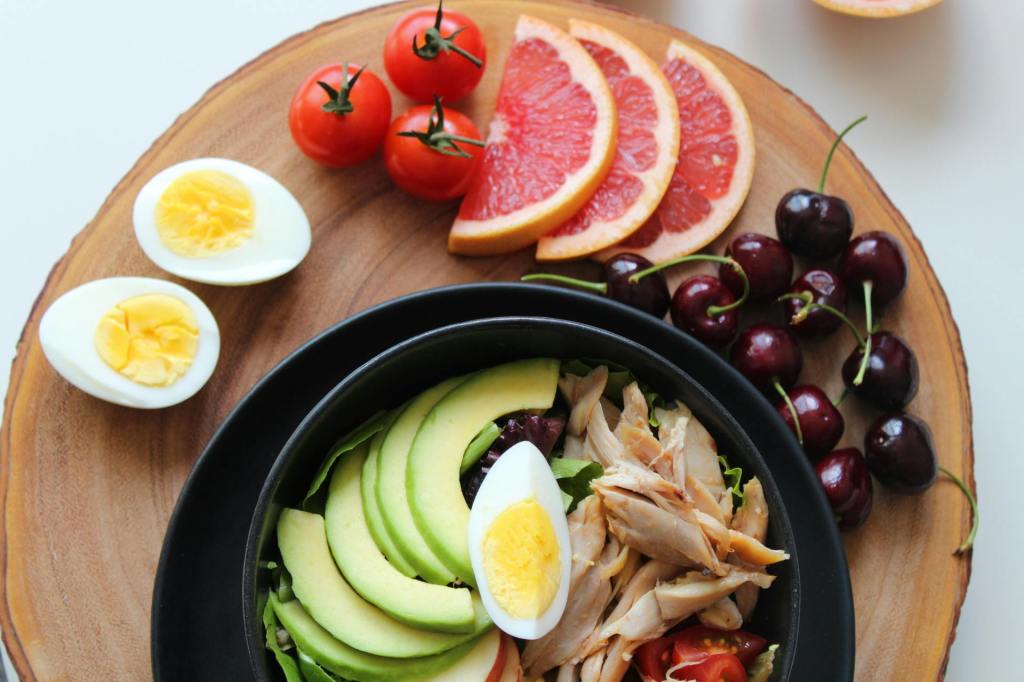
In contrast, healthy foods often require more effort to make them taste enjoyable. Fresh vegetables, fruits, lean proteins, and whole grains tend to have subtler flavors compared to the bold, intense taste of processed foods. Moreover, many healthy foods are low in sugar, salt, and fat, which means they don’t trigger the same intense pleasure responses in the brain.
• Vegetables, for example, can be perceived as bland or bitter, especially if they are not seasoned or prepared well. Without the addition of fats or sugars, many people find them less satisfying than their unhealthy counterparts.
• Healthy snacks like nuts, fruits, and whole grains may take more time and effort to prepare and enjoy. They might require extra seasoning, pairing with other ingredients, or more thoughtful cooking techniques to enhance their flavors.
• Cultural attitudes also affect how we perceive healthy foods. In many societies, healthy eating is seen as a chore or a sacrifice, while unhealthy eating is often seen as indulgent or pleasurable. This societal perception adds another layer of difficulty in embracing healthy eating as a long-term habit.
6. Overcoming the Cravings: How to Develop a Taste for Healthy Foods
While it’s clear that unhealthy foods are more immediately pleasurable due to biological, psychological, and social factors, it’s not impossible to develop a taste for healthier options. Just as we can grow accustomed to the sweetness of sugar, we can train our taste buds to appreciate the flavors of healthier foods.
• Gradual changes: Slowly reducing the sugar, fat, and salt content in your diet can help your palate adjust over time. This way, you can still enjoy delicious foods without overwhelming your senses with excess sugar or salt.
• Creative preparation: Healthy foods don’t have to be bland. Experimenting with herbs, spices, and healthy cooking methods can enhance the flavors of vegetables, lean meats, and whole grains.
• Mindful eating: Practicing mindful eating, where you focus on the taste, texture, and enjoyment of each bite, can help you develop a deeper appreciation for healthy foods.
In conclusion, unhealthy foods often seem more delicious than healthy foods because of the complex interplay of biology, culture, and psychology. Our brains are wired to crave the immediate pleasure that comes from sugar, fat, and salt, and modern food processing enhances this effect. However, by understanding the reasons behind these cravings and making conscious efforts to cultivate healthier food habits, it is possible to rewire our taste preferences over time. Although unhealthy foods may be more immediately gratifying, healthier options can bring long-term benefits to our bodies, minds, and overall well-being.
 WEIN
WEIN 