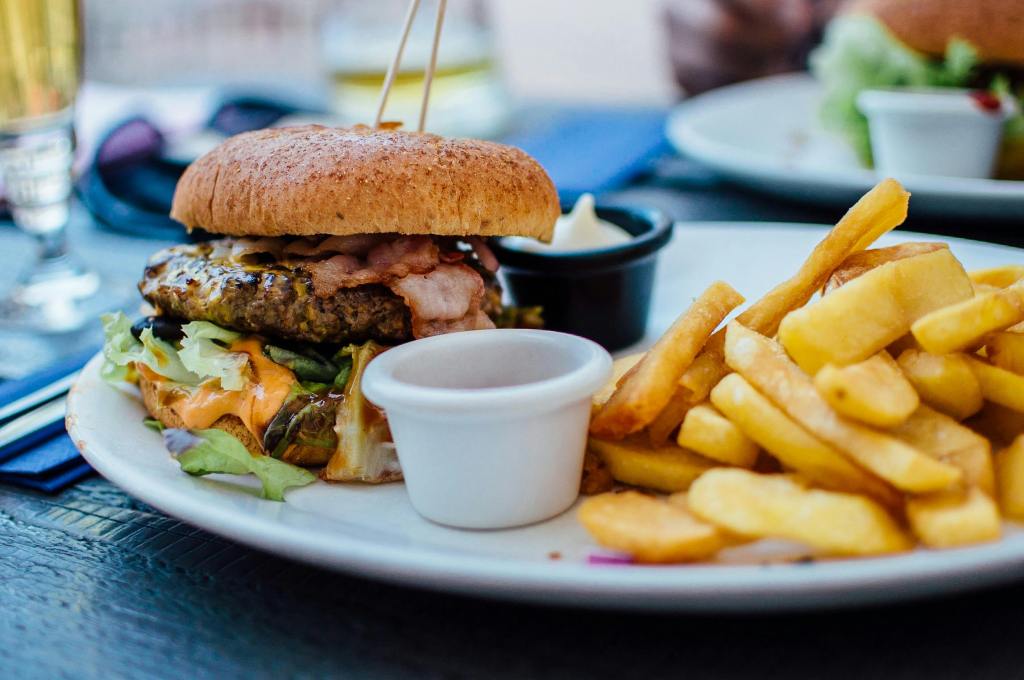
Reaching your ideal weight is a significant accomplishment that requires dedication and effort, involving a balanced diet, regular exercise, and long-term healthy habits. However, once this goal is achieved, many people face a new challenge: food cravings, especially for sugary or fatty foods. These cravings can become a major obstacle, potentially leading to old eating habits and weight gain. Therefore, understanding how to manage these cravings is crucial for maintaining your ideal weight and overall health balance.
1. Understanding the Cause of Food Cravings
Food cravings after reaching your ideal weight are not just a passing desire; they are a mix of psychological, emotional, and physical factors. The cause may be a deficiency in essential nutrients like protein or fiber, or it could be due to stress and anxiety, where food becomes a coping mechanism. It’s important to recognize that cravings are not always driven by actual hunger but often by emotional triggers or old habits formed over time.
2. Focus on Nutrient-Dense, Satisfying Foods
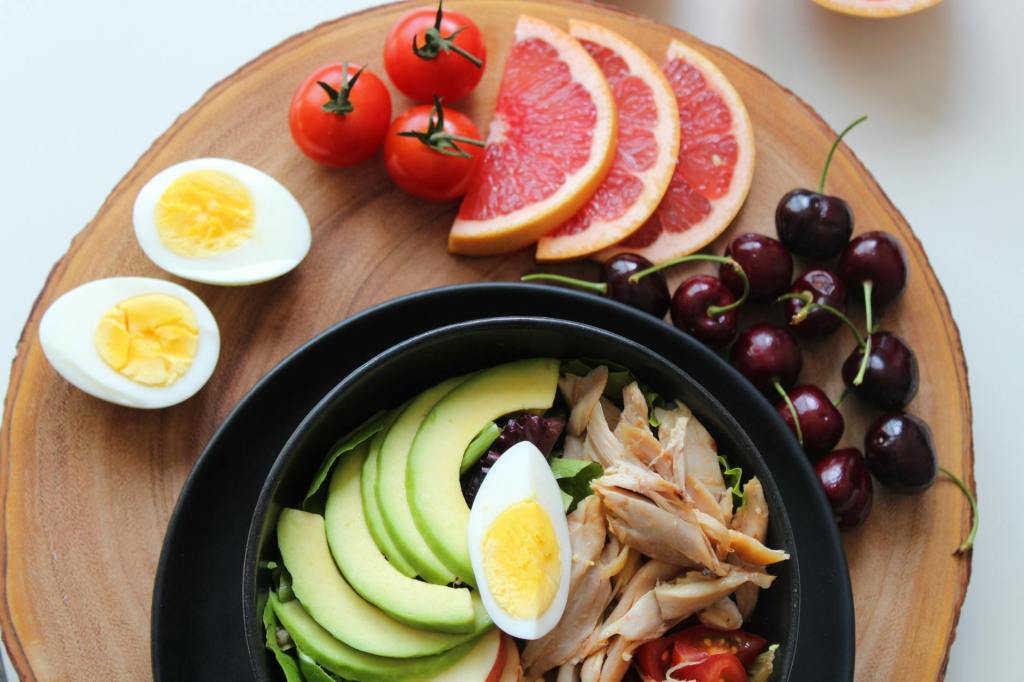
One of the most important steps in overcoming food cravings is shifting your focus from eating foods that trigger cravings to consuming nutrient-dense, filling foods. A diet should include high-fiber foods such as vegetables, fruits, and whole grains, along with protein sources like fish, poultry, and legumes, and healthy fats like olive oil and avocado. These foods help you feel fuller for longer, reducing the urge to snack or indulge between meals.
3. Learning to Recognize True Hunger
One reason for food cravings is the inability to differentiate between actual hunger and emotional or habitual eating. Before reaching for food, it’s crucial to pause and assess whether you’re genuinely hungry or if you’re craving food due to boredom, stress, or other emotions. Practicing mindfulness helps you make more conscious decisions about what to eat and when, preventing unnecessary snacking.

4. Regular Exercise to Help Manage Appetite
Exercise plays a vital role in regulating appetite and reducing the urge to overeat. Physical activity stimulates the release of happiness hormones like endorphins, which elevate mood and decrease the need to use food as a source of comfort. Additionally, regular exercise improves hormonal balance, which in turn helps control appetite naturally.

5. Establish Regular Eating Patterns
Establishing regular meal times and healthy snacks can also help prevent cravings. Eating at consistent intervals helps avoid extreme hunger, which can lead to impulsive eating and cravings for unhealthy foods. Aim for five or six smaller meals throughout the day, including healthy snacks like nuts or low-fat yogurt, to keep hunger at bay.

6. Find Healthy Alternatives to Craving-Inducing Foods
Certain foods, like chocolate or sweets, can trigger intense cravings. It’s important to find healthier alternatives that satisfy your cravings without negatively impacting your health or weight. Opt for naturally sweet fruits like berries or apples, or snack on nuts for a satisfying, nutritious treat that can curb your cravings in a healthier way.

7. Managing Emotions in a Healthy Way
Food cravings are often tied to negative emotions like stress, sadness, or boredom. Rather than turning to food for comfort, it’s essential to learn how to manage these emotions in a healthier manner. Relaxation techniques such as meditation or deep breathing, as well as engaging in enjoyable activities like reading or walking in nature, can help you cope with emotions without relying on food. Seeking social support through conversations with friends or family, or even speaking to a mental health professional, can also help manage emotional eating.

8. Setting Long-Term Goals to Stay Motivated
Maintaining your ideal weight requires clear, long-term goals that go beyond just losing weight. Focusing on goals like better health, increased energy, and an improved quality of life provides sustainable motivation. It’s important to stay motivated internally, whether by tracking progress or rewarding yourself for sticking to healthy habits. Setting long-term goals helps maintain a balanced approach to weight management.

9. Enjoying Foods Without Guilt
Sometimes, the guilt associated with indulging in your favorite foods can fuel cravings even more. It’s essential to understand that enjoying your favorite treats every once in a while doesn’t mean you’re returning to old habits. The key is moderation and mindful enjoyment. Treat yourself consciously, without overindulging, and allow yourself to enjoy food without feelings of guilt.

Conclusion
Overcoming food cravings after reaching your ideal weight involves a combination of emotional and physical balance. By understanding the root causes of cravings, eating nutrient-dense foods, engaging in regular exercise, and managing emotions in healthy ways, it’s possible to maintain your ideal weight long-term. By following these strategies, you can enjoy a healthy and balanced life without falling victim to the challenges of food cravings.
 WEIN
WEIN 
One thought on “The Key to Overcoming Food Cravings After Reaching Your Ideal Weight”