
Middle Eastern cuisine is renowned for its rich flavors, intricate spices, and beautiful balance between sweetness and savoriness. Among the region’s most celebrated culinary treasures are its desserts. These sweets have been perfected over centuries, influenced by a blend of diverse cultures and traditions. From delicate pastries to syrup-soaked confections, here are some of the finest Middle Eastern desserts you should definitely try.
Baklava
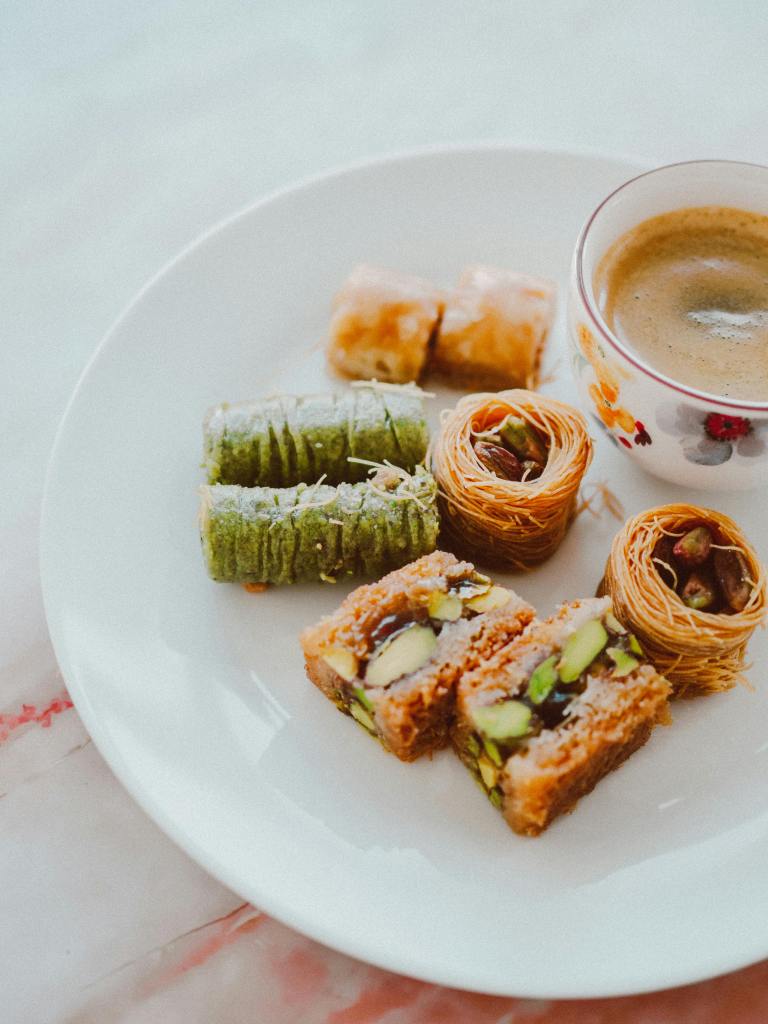
Arguably the most famous Middle Eastern dessert, baklava is a sweet, flaky pastry made from layers of thin filo dough, filled with chopped nuts (typically pistachios, walnuts, or almonds), and generously soaked in honey or syrup. Originating from the Ottoman Empire, baklava has spread across the region, with each country adding its unique twist. In Lebanon and Turkey, for instance, it’s common to add a hint of rose or orange blossom water to the syrup, enhancing its fragrance.
Kunafa

Kunafa (or Knafeh) is a beloved dessert made from fine semolina dough or shredded filo pastry, soaked in sweet syrup and topped with a layer of cheese (often a soft, mild cheese like akkawi or nabulsi). Its crispy exterior contrasts beautifully with the gooey, cheesy interior. Kunafa is often sprinkled with crushed pistachios and served warm, making it an irresistible treat. It’s especially popular during Ramadan and is a staple at many Middle Eastern celebrations.
Basbousa
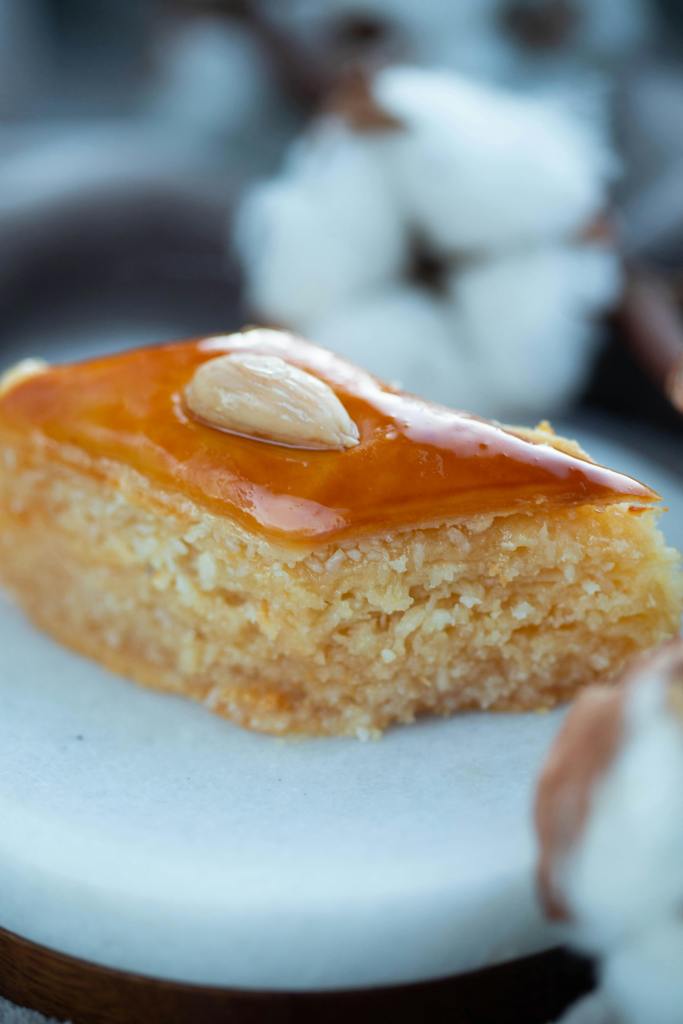
Basbousa is a semolina-based cake soaked in simple syrup, flavored with coconut or almonds. It’s soft, slightly spongy, and not overly sweet, making it a delightful treat for those who enjoy subtler desserts. This cake has many regional variations, from Egypt to Turkey, where it is known as hareeseh. The addition of rose water or orange blossom gives it a refreshing floral scent.
Maamoul
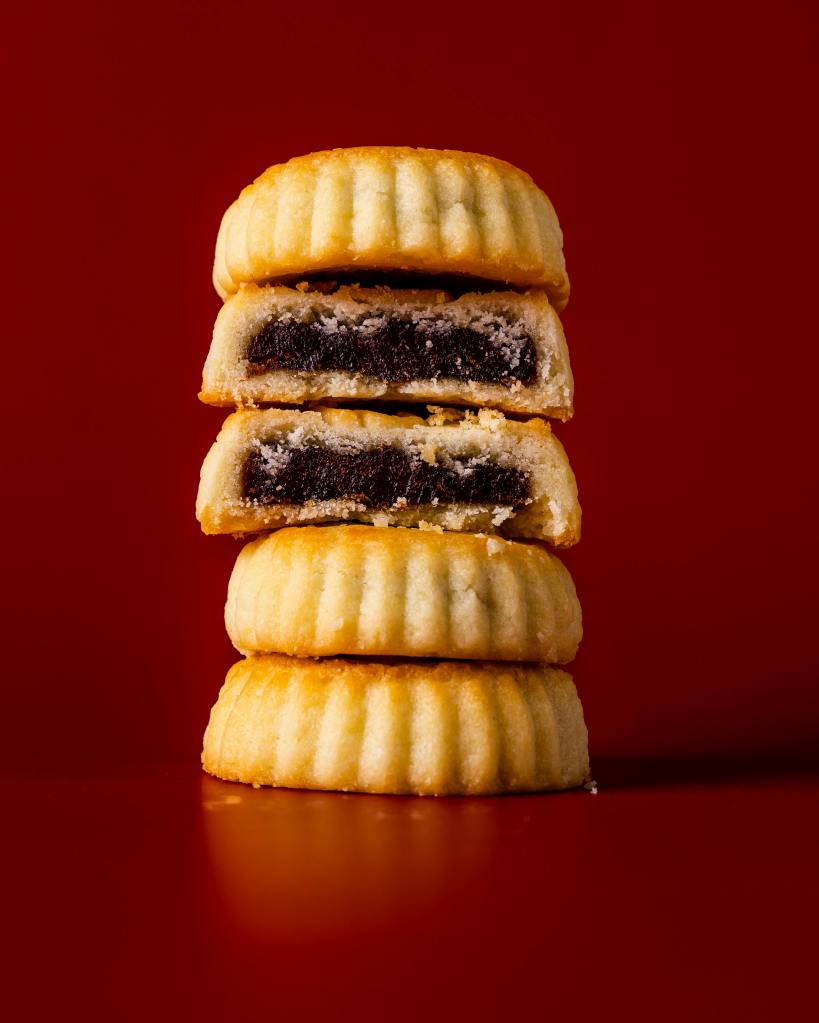
These small, shortbread-like cookies are filled with dates, walnuts, or pistachios and are often served during religious holidays and special occasions in countries like Lebanon, Syria, and Palestine. The dough is rich and buttery, and the filling provides a natural sweetness that’s not overly sugary. Ma’amoul is often stamped with intricate designs, making them as beautiful as they are delicious.
Atayef
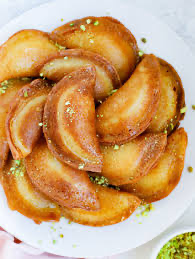
Atayef is a traditional dessert often served during Ramadan. These small stuffed pancakes are filled with a variety of fillings such as sweetened cheese, walnuts, or even cream. After being cooked, they are folded into a half-moon shape and then soaked in syrup or served with a drizzle of honey. The combination of fluffy, soft pancake and sweet, rich fillings is simply mouthwatering.
6. Qatayef Asafiri

A variation of the classic atayef, qatayef asafiri are small, bite-sized versions of the pancake. These are typically filled with sweetened cheese or cream and fried to a golden crisp before being drenched in syrup. The crispy exterior and creamy interior create a wonderful contrast, making them a perfect sweet snack or dessert.
Rice Pudding (Roz Bel Laban)
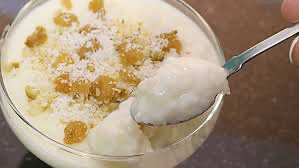
Rice pudding, or roz bel laban in Arabic, is a simple yet comforting dessert made with rice, milk, sugar, and a touch of vanilla or rose water. The pudding is typically topped with a sprinkle of cinnamon or ground pistachios. This creamy dessert is enjoyed across the Middle East, especially in Egypt, where it’s often served chilled during the hot summer months.
Tarkhuna (Saffron Ice Cream)
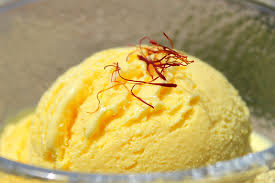
A distinctive treat from Iran, saffron ice cream, or bastani sonnati, is made with saffron, rosewater, and pistachios, creating a unique flavor profile. The use of saffron, one of the world’s most expensive spices, lends the ice cream a vibrant color and a luxurious taste. Often paired with falooda (a sweet, vermicelli-like noodle), saffron ice cream is a delightful blend of textures and flavors.
Zalabia
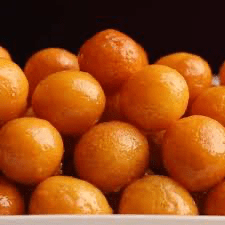
Zalabia is a deep-fried dough pastry soaked in syrup, similar to churros or doughnuts but with a Middle Eastern twist. It is crispy on the outside and soft on the inside, and when dipped in syrup, it becomes irresistibly sweet and sticky. This dessert is typically served at street stalls and in cafés, particularly in Egypt and Lebanon, and is enjoyed during Ramadan.
10. Halawet El Jibn
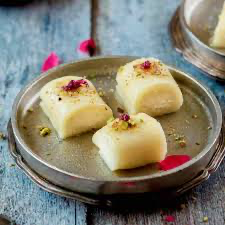
Halawet El Jibn is a traditional Syrian and Lebanese dessert made from a dough-like mixture of semolina and cheese, typically sweetened with sugar and flavored with rose or orange blossom water. The dough is rolled up and filled with cream, then cut into small pieces and garnished with crushed pistachios or walnuts. It’s a unique dessert with a chewy texture and a delicate, floral flavor.
Conclusion
Middle Eastern desserts are a perfect example of the region’s rich cultural heritage and culinary artistry. Each sweet offers a unique flavor experience, combining nuts, spices, syrups, and fragrant waters in ways that excite the palate. Whether you enjoy something crispy, creamy, or fruity, the Middle East has a dessert to suit every taste. Make sure to try these delicious sweets to truly experience the diversity and richness of Middle Eastern cuisine.
 WEIN
WEIN 