Ramadan, the ninth month of the Islamic calendar, holds profound significance for Muslims around the world. It is not merely a month of fasting but a time for spiritual reflection, self-discipline, increased devotion, and the purification of one’s soul. Observed by millions of Muslims globally, Ramadan is a time to deepen one’s relationship with Allah, seek forgiveness for past sins, and grow in empathy towards those less fortunate.
The Meaning and Rituals of Ramadan
The word “Ramadan†is derived from the Arabic root word “ramad,†meaning intense heat or dryness. This references the scorching heat of the summer months when the early Muslims first began fasting. Fasting during this month is one of the Five Pillars of Islam, which are the fundamental acts of worship and practice that define a Muslim’s faith and actions.
Fasting during Ramadan involves abstaining from food, drink, and other physical needs from dawn until sunset. However, the fast is not limited to just physical hunger and thirst. It is also a time for Muslims to purify their hearts, minds, and actions. Negative traits such as anger, gossip, and greed are discouraged, and Muslims are encouraged to show kindness, patience, and humility. The fast is a way to increase piety and gain closeness to Allah by practicing self-control and developing a heightened sense of gratitude for the blessings in life.
The Importance of Fasting
Fasting during Ramadan is not just a physical challenge; it is also an opportunity for deep spiritual growth. By abstaining from basic human needs, Muslims are reminded of the sufferings of the poor and hungry. This engenders empathy and a sense of social responsibility, prompting acts of charity and kindness throughout the month. Ramadan is considered a time for spiritual purification and a way for Muslims to cleanse their souls, seek forgiveness, and ask for Allah’s mercy.
The fast also serves as a reminder of the ultimate purpose of life: to worship and serve Allah. The self-discipline required during Ramadan encourages Muslims to reassess their lives, reflect on their behavior, and strive to be better individuals, both in their faith and in their daily conduct. It is a time for Muslims to strengthen their relationship with Allah by performing additional acts of worship such as extra prayers, reading the Quran, and making supplications.
The Role of the Quran in Ramadan
Ramadan is also significant because it is the month in which the Quran, the holy book of Islam, was revealed to the Prophet Muhammad (PBUH) through the angel Jibreel. Muslims believe that the Quran is the literal word of God, and its revelation during Ramadan highlights the spiritual significance of this month. As a result, many Muslims dedicate time during Ramadan to read, memorize, and reflect upon the Quran’s teachings.
One of the most important practices during Ramadan is the recitation of the Quran in its entirety. In many mosques around the world, the Quran is recited aloud during Taraweeh prayers, which are special prayers performed after the Isha (night) prayer. Muslims strive to complete the entire Quran during the month, and many do so by attending these nightly prayers and following along with the imam, or prayer leader. The Quran serves as both a guide and a source of comfort, helping Muslims navigate the challenges they face in life.
Acts of Charity and Giving
Charity is another central aspect of Ramadan. The fast itself teaches Muslims about self-restraint, but it also highlights the importance of caring for others. Zakat, or almsgiving, is one of the Five Pillars of Islam, and many Muslims choose to give their annual zakat during Ramadan because of the immense rewards and blessings that come with giving during this sacred month.
In addition to zakat, Muslims also practice voluntary charity (sadaqah). Many choose to offer food to the poor, contribute to humanitarian causes, or assist those in need during Ramadan. These acts of charity not only help the less fortunate but also foster a sense of community, solidarity, and social justice.
The Spirit of Ramadan
Ramadan is not just about fasting or performing religious rituals. It is a month of increased unity and community spirit. Muslims gather for the pre-dawn meal, known as Suhoor, and for the evening meal to break the fast, called Iftar. This is a time for family and friends to come together, share meals, and engage in prayer and reflection. The communal aspects of Ramadan are particularly important in Muslim communities worldwide. It is a time to strengthen bonds, reconcile differences, and offer support to one another.
The sense of joy and camaraderie is palpable during Ramadan, as Muslims eagerly anticipate the breaking of their fast each evening. In many Muslim-majority countries, the streets are filled with the sounds of celebration as families and friends gather to share Iftar. It is a time when Muslims of all ages come together in worship, gratitude, and fellowship.
Eid al-Fitr: The Celebration at the End of Ramadan
The end of Ramadan is marked by the celebration of Eid al-Fitr, a festive occasion that signifies the completion of a month of fasting. Eid al-Fitr, often referred to as the “Festival of Breaking the Fast,†is one of the two major Islamic holidays, the other being Eid al-Adha. The holiday begins with a special prayer at the mosque, followed by a day of feasting, giving gifts, and visiting family and friends.
Eid al-Fitr is also a time of thanksgiving to Allah for the strength and patience shown during the fast. It is a day of joy and festivity, but it is also a time for Muslims to remember the less fortunate. One of the key practices of Eid is the giving of Zakat al-Fitr, a charitable contribution made before the Eid prayer to help those in need partake in the celebrations.
Ramadan Around the World
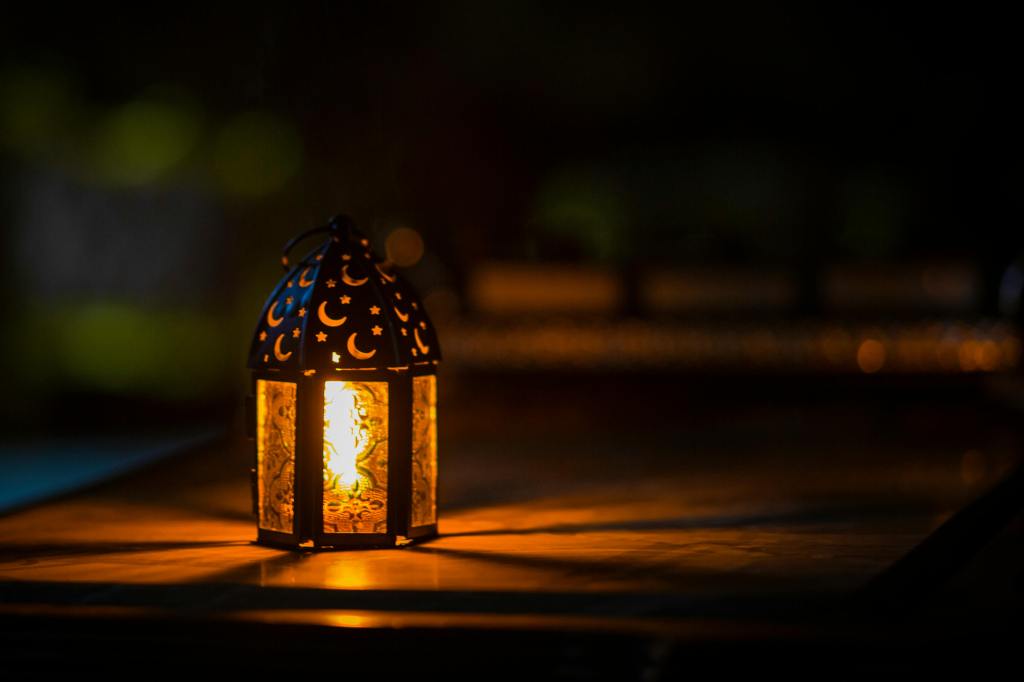
While the core practices of Ramadan remain the same across the Muslim world, the way it is observed can vary depending on cultural and regional differences. In some countries, for example, special foods are prepared for Iftar, and unique customs and traditions are observed during the month. In countries like Egypt, Morocco, and Turkey, Ramadan is marked by vibrant street celebrations, lanterns, and festive markets. In other places, such as Indonesia, Malaysia, and South Asia, the month is also marked by communal prayers and the preparation of traditional foods.
The global observance of Ramadan brings together a diverse range of cultures and people united by faith. Whether it is through communal prayers, shared meals, or charitable acts, the spirit of Ramadan transcends geographical, cultural, and linguistic boundaries.
Conclusion
Ramadan is more than just a time of fasting; it is a time of spiritual rejuvenation, self-reflection, and charity. For Muslims, it offers an opportunity to grow closer to Allah, purify the soul, and serve humanity. The practices of fasting, prayer, recitation of the Quran, and giving to those in need form the foundation of this sacred month. Ramadan encourages Muslims to foster a deeper connection with their faith, community, and the world around them. It serves as a reminder of the importance of gratitude, patience, and empathy in one’s life, making it a transformative and deeply meaningful experience for Muslims everywhere.
The Significance of Ramadan in Islam
Ramadan, the ninth month of the Islamic calendar, holds profound significance for Muslims around the world. It is not merely a month of fasting but a time for spiritual reflection, self-discipline, increased devotion, and the purification of one’s soul. Observed by millions of Muslims globally, Ramadan is a time to deepen one’s relationship with Allah, seek forgiveness for past sins, and grow in empathy towards those less fortunate.
The Meaning and Rituals of Ramadan
The word “Ramadan†is derived from the Arabic root word “ramad,†meaning intense heat or dryness. This references the scorching heat of the summer months when the early Muslims first began fasting. Fasting during this month is one of the Five Pillars of Islam, which are the fundamental acts of worship and practice that define a Muslim’s faith and actions.
Fasting during Ramadan involves abstaining from food, drink, and other physical needs from dawn until sunset. However, the fast is not limited to just physical hunger and thirst. It is also a time for Muslims to purify their hearts, minds, and actions. Negative traits such as anger, gossip, and greed are discouraged, and Muslims are encouraged to show kindness, patience, and humility. The fast is a way to increase piety and gain closeness to Allah by practicing self-control and developing a heightened sense of gratitude for the blessings in life.
The Importance of Fasting
Fasting during Ramadan is not just a physical challenge; it is also an opportunity for deep spiritual growth. By abstaining from basic human needs, Muslims are reminded of the sufferings of the poor and hungry. This engenders empathy and a sense of social responsibility, prompting acts of charity and kindness throughout the month. Ramadan is considered a time for spiritual purification and a way for Muslims to cleanse their souls, seek forgiveness, and ask for Allah’s mercy.
The fast also serves as a reminder of the ultimate purpose of life: to worship and serve Allah. The self-discipline required during Ramadan encourages Muslims to reassess their lives, reflect on their behavior, and strive to be better individuals, both in their faith and in their daily conduct. It is a time for Muslims to strengthen their relationship with Allah by performing additional acts of worship such as extra prayers, reading the Quran, and making supplications.
The Role of the Quran in Ramadan
Ramadan is also significant because it is the month in which the Quran, the holy book of Islam, was revealed to the Prophet Muhammad (PBUH) through the angel Jibreel. Muslims believe that the Quran is the literal word of God, and its revelation during Ramadan highlights the spiritual significance of this month. As a result, many Muslims dedicate time during Ramadan to read, memorize, and reflect upon the Quran’s teachings.
One of the most important practices during Ramadan is the recitation of the Quran in its entirety. In many mosques around the world, the Quran is recited aloud during Taraweeh prayers, which are special prayers performed after the Isha (night) prayer. Muslims strive to complete the entire Quran during the month, and many do so by attending these nightly prayers and following along with the imam, or prayer leader. The Quran serves as both a guide and a source of comfort, helping Muslims navigate the challenges they face in life.
Acts of Charity and Giving
Charity is another central aspect of Ramadan. The fast itself teaches Muslims about self-restraint, but it also highlights the importance of caring for others. Zakat, or almsgiving, is one of the Five Pillars of Islam, and many Muslims choose to give their annual zakat during Ramadan because of the immense rewards and blessings that come with giving during this sacred month.
In addition to zakat, Muslims also practice voluntary charity (sadaqah). Many choose to offer food to the poor, contribute to humanitarian causes, or assist those in need during Ramadan. These acts of charity not only help the less fortunate but also foster a sense of community, solidarity, and social justice.
The Spirit of Ramadan
Ramadan is not just about fasting or performing religious rituals. It is a month of increased unity and community spirit. Muslims gather for the pre-dawn meal, known as Suhoor, and for the evening meal to break the fast, called Iftar. This is a time for family and friends to come together, share meals, and engage in prayer and reflection. The communal aspects of Ramadan are particularly important in Muslim communities worldwide. It is a time to strengthen bonds, reconcile differences, and offer support to one another.
The sense of joy and camaraderie is palpable during Ramadan, as Muslims eagerly anticipate the breaking of their fast each evening. In many Muslim-majority countries, the streets are filled with the sounds of celebration as families and friends gather to share Iftar. It is a time when Muslims of all ages come together in worship, gratitude, and fellowship.
Eid al-Fitr: The Celebration at the End of Ramadan
The end of Ramadan is marked by the celebration of Eid al-Fitr, a festive occasion that signifies the completion of a month of fasting. Eid al-Fitr, often referred to as the “Festival of Breaking the Fast,†is one of the two major Islamic holidays, the other being Eid al-Adha. The holiday begins with a special prayer at the mosque, followed by a day of feasting, giving gifts, and visiting family and friends.
Eid al-Fitr is also a time of thanksgiving to Allah for the strength and patience shown during the fast. It is a day of joy and festivity, but it is also a time for Muslims to remember the less fortunate. One of the key practices of Eid is the giving of Zakat al-Fitr, a charitable contribution made before the Eid prayer to help those in need partake in the celebrations.
Ramadan Around the World
While the core practices of Ramadan remain the same across the Muslim world, the way it is observed can vary depending on cultural and regional differences. In some countries, for example, special foods are prepared for Iftar, and unique customs and traditions are observed during the month. In countries like Egypt, Morocco, and Turkey, Ramadan is marked by vibrant street celebrations, lanterns, and festive markets. In other places, such as Indonesia, Malaysia, and South Asia, the month is also marked by communal prayers and the preparation of traditional foods.
The global observance of Ramadan brings together a diverse range of cultures and people united by faith. Whether it is through communal prayers, shared meals, or charitable acts, the spirit of Ramadan transcends geographical, cultural, and linguistic boundaries.
Conclusion
Ramadan is more than just a time of fasting; it is a time of spiritual rejuvenation, self-reflection, and charity. For Muslims, it offers an opportunity to grow closer to Allah, purify the soul, and serve humanity. The practices of fasting, prayer, recitation of the Quran, and giving to those in need form the foundation of this sacred month. Ramadan encourages Muslims to foster a deeper connection with their faith, community, and the world around them. It serves as a reminder of the importance of gratitude, patience, and empathy in one’s life, making it a transformative and deeply meaningful experience for Muslims everywhere.
 WEIN
WEIN 