
When someone close to you is struggling with severe depression, especially when there’s a risk they might harm themselves, it can be overwhelming. You may feel scared, unsure of what to say, or afraid of making things worse. But your support can make a life-saving difference. Here’s a practical guide to help you navigate this sensitive situation.
1.
Recognize the Signs
Severe depression is more than just sadness. It can affect a person’s thoughts, behaviors, and physical well-being. Warning signs that someone may be considering self-harm or suicide include:
- Talking about feeling hopeless or having no reason to live
- Expressing feelings of being a burden
- Withdrawing from friends, family, or activities
- Sudden mood swings—especially a shift from depression to calm or happiness
- Giving away personal belongings or saying goodbye
- Engaging in risky or self-destructive behavior
If you’re seeing any of these signs, it’s important to take them seriously.

2.
Talk to Them Openly and Without Judgment
Many people worry that bringing up suicide might “plant the idea,” but research shows this is not true. If you’re concerned, it’s okay—and often necessary—to ask directly. Try saying:
“I’ve noticed you’re going through a really hard time. Are you thinking about hurting yourself?”
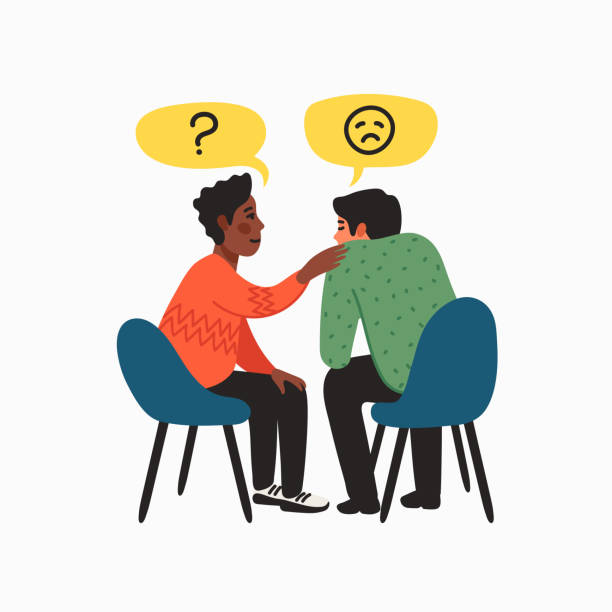
Speak calmly and with compassion. Listen more than you talk, and avoid trying to “fix” their feelings. Just being there, without judgment, can help them feel less alone.

3.
Encourage Them to Seek Professional Help
You can’t—and shouldn’t—handle this alone. Encourage the person to see a mental health professional, and offer to help them find one or even go with them to the appointment if they’re open to it.
Say something like:
“You don’t have to go through this alone. Talking to a therapist could really help. I can help you find someone or go with you if you’d like.”
If the person is unwilling, keep encouraging gently over time, without pressure or guilt.
4.
Remove Access to Harmful Tools (If Safe to Do So)
If you’re in close contact with the person and it’s safe, try to remove or secure anything they could use to hurt themselves—like sharp objects, medications, or firearms. Do this with care and respect, not as punishment.

5.
Know When to Involve Emergency Services
If someone is in immediate danger—talking about suicide, has a plan, or is actively trying to harm themselves—call emergency services or a crisis hotline right away.
In the U.S., you can call or text 988 (Suicide & Crisis Lifeline). Many countries have similar services.
It’s okay to prioritize their safety, even if it means they might be upset in the moment. You could save their life.

6.
Take Care of Yourself Too
Supporting someone with severe depression can take a toll on your own mental health. Make sure you’re getting support as well—whether it’s talking to a therapist, leaning on friends, or taking breaks when needed. You can’t pour from an empty cup.

Final Thoughts
Being there for someone with severe depression is one of the most compassionate things you can do. While you’re not expected to have all the answers, your presence, concern, and willingness to help can be powerful. Never underestimate the impact of simply showing up and saying, “I’m here for you.”
 WEIN
WEIN 