
In a world full of distractions, uncertainty, and constant noise, many people struggle with feeling overwhelmed, unproductive, and directionless. One of the most powerful solutions to this problem is surprisingly simple: structure.
Creating a system or routine for your life doesn’t mean losing freedom or becoming robotic. On the contrary—it brings clarity, control, peace of mind, and, ultimately, greater freedom to do what matters most.
This article explores why having a life system is essential, how it benefits your mental, physical, and emotional well-being, and how you can start building one today.
1. Structure Reduces Stress and Mental Overload
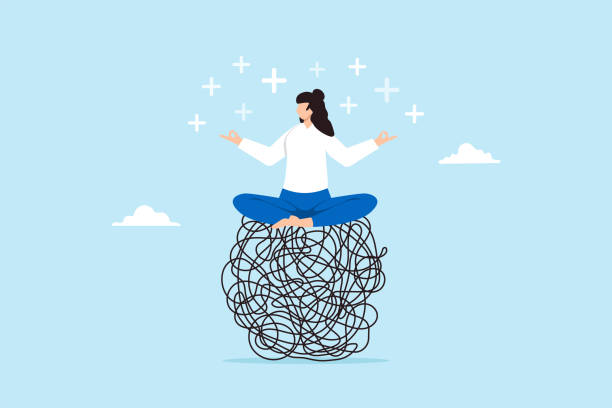
Every day, we make hundreds of small decisions—from what to eat, what to wear, when to exercise, to how to prioritize tasks. Without a structure, these decisions pile up and create decision fatigue.
A clear routine minimizes this stress by automating parts of your day.
- Morning routines set the tone for productivity and focus.
- Pre-planned meals or weekly schedules reduce daily anxiety.
- Prioritizing tasks the night before helps you sleep better and wake up with direction.
Structure = fewer decisions = more mental energy for what really matters.
2. Systems Build Discipline and Consistency
Motivation is temporary. No one feels inspired every single day—but discipline keeps you moving forward when motivation fades.
When you have a system:
- You don’t wait until you “feel like it” to do the important things.
- You show up consistently, which leads to progress over time.
- You build habits that eventually become second nature.
Whether you’re learning a new skill, building a business, or getting fit—consistency beats intensity. And consistency is the result of a structured life.
3. A Structured Life Boosts Productivity

People often think being “busy” is the same as being productive. It’s not.
True productivity comes from knowing what matters and organizing your time around those priorities. A system helps you:
- Focus on high-impact tasks instead of getting lost in busywork.
- Break down goals into actionable steps.
- Use tools like time-blocking, habit trackers, or to-do lists to stay on track.
Structure gives your efforts direction. Without it, you may be working hard—but not moving forward.
4. Structure Enhances Your Mental and Physical Health

A chaotic life takes a toll on your well-being. Poor sleep, stress, burnout, and anxiety are often rooted in a lack of structure.
A healthy routine:
- Improves sleep quality with consistent bedtimes.
- Encourages regular exercise and healthy eating.
- Provides time for rest, hobbies, and relationships.
When your days have rhythm and balance, your mind and body thrive.
5. Systems Help You Stay Focused on Long-Term Goals

It’s easy to get caught in the urgency of the moment and forget what really matters. But systems act like a compass—they keep you aligned with your long-term vision.
For example:
- A weekly planning session helps you review progress and adjust your course.
- Monthly goals keep you moving toward larger life ambitions.
- Regular reflection ensures you’re not drifting from your values.
A structured life isn’t rigid—it’s intentional. It makes sure your daily actions reflect your deepest priorities.
6. Structure Creates Time for What Matters Most

Ironically, having a system creates more freedom—not less.
When you plan your time, you:
- Spend less of it on distractions.
- Have space for what truly brings joy—family, rest, creativity, learning.
- Live with purpose, instead of reacting to whatever comes your way.
Structure isn’t about doing more. It’s about doing what matters—better.
How to Start Creating a Life System (Even If You’ve Never Had One)

You don’t need a perfect plan to begin. Start simple:
1. Build a Morning Routine:
Start your day with intention—read, meditate, exercise, or plan your goals.
2. Use a Weekly Planner:
Schedule your week in advance, even if it’s rough. Include work, rest, relationships, and fun.
3. Prioritize the Top 3 Tasks Daily:
Focus on what really moves the needle. Avoid overwhelming to-do lists.
4. Track Your Habits:
Use a simple tracker to stay accountable—sleep, water, exercise, reading, etc.
5. Reflect Regularly:
At the end of each week or month, ask: What worked? What didn’t? What can I improve?
Over time, these small systems stack up—and you build a life that feels calm, focused, and fulfilling.
Final Thoughts: Structure is Freedom
Most people float through life reacting to whatever comes their way. But the happiest, most successful people don’t live by accident—they live by design.
A system doesn’t trap you—it frees you from chaos, gives you clarity, and helps you live with intention.
So, if you feel stuck, scattered, or stressed, don’t wait for motivation. Build a system. Start small. Stay consistent. And watch your life transform.
 WEIN
WEIN 