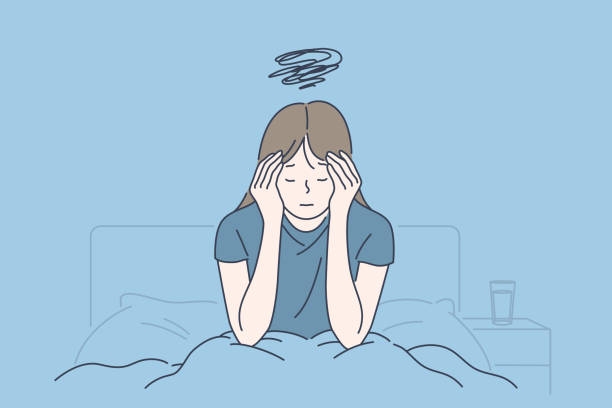
Depression begins in silence — often unnoticed by the person themselves or those around them. It is not just passing sadness, but a deep feeling of emptiness and loss of desire for life, as if all the colors around have faded. A person may wake up in the morning with no energy, no clear purpose, and no feeling for the things that once brought them joy.Depression differs from the ordinary distress we all experience; it is a long-term condition that affects thinking, behavior, and even physical health.

Symptoms of Depression
The symptoms vary from person to person, but they often include:
- Loss of interest in activities that used to be enjoyable.
- Sleep disturbances — either insomnia or excessive sleeping.
- Changes in appetite and weight.Constant fatigue and lack of concentration.
- Negative thoughts about oneself or life.

In some cases, it may reach the point of thinking about death or suicide — and at this stage, seeking immediate help becomes absolutely necessary.
Treatment Methods
Depression is not a weakness of character; it is an illness that requires treatment like any other disease.The main treatment methods include:
1. Psychotherapy (Cognitive Behavioral Therapy): Helps the person understand and manage negative thoughts.
2. Antidepressant Medications: Prescribed by a psychiatrist after a thorough evaluation of the condition.
3. Social Support: Having someone who listens and cares can make a big difference.
4. Lifestyle Changes: Such as exercising, getting enough sleep, eating healthy, and avoiding isolation.

How Can I Help Myself?
If you feel that you are going through a difficult time, don’t ignore your feelings. Talk to someone you trust, or write down what you feel, and don’t hesitate to seek help from a mental health professional.Give yourself rest, and don’t force yourself to be perfect or constantly positive. Healing is a journey that requires patience and compassion toward yourself.
How Can I Care for a Loved One I Suspect Is Depressed?
Someone close to us may be suffering in silence, and we might not notice. Here’s what you can do:Observe changes: in their sleep, appetite, or overall behavior.Be a listener, not a critic:
Don’t say “Cheer up” or “Others have it worse,” but say “I’m here with you; we’ll face this together.
”Encourage professional help: Suggest seeing a doctor or therapist.
Look for small moments of light: Encourage walks, talking, or stepping out of the cycle of isolation.

And most importantly:
do not delay intervening if you notice any warning signs, as a kind word or support could save a life.
👌Before It’s Too Late
Depression is not the end of the road; it is a silent call for support and compassion. Let us be more aware, closer, and ready to extend our hands to those in need.
Thank you for watching.Remember: just one person can make a difference… and that person could be you. 🌸
 WEIN
WEIN 