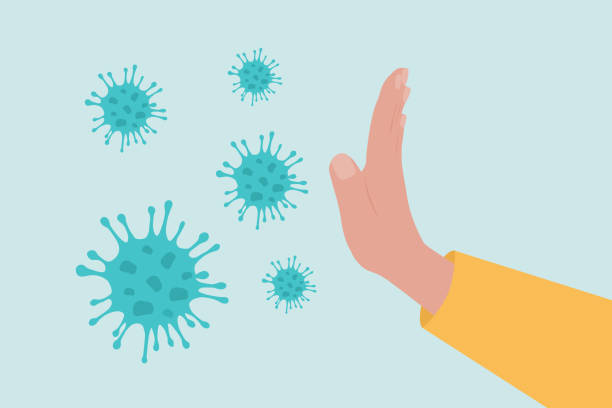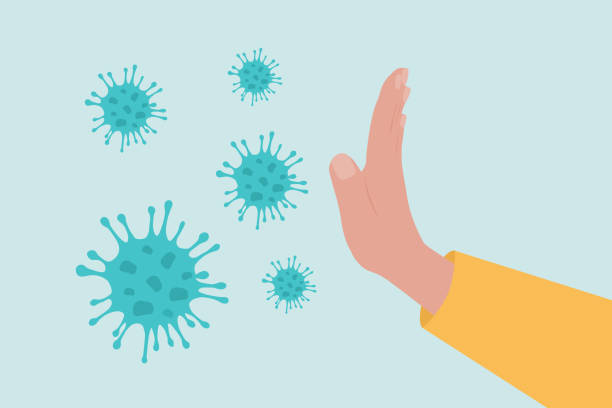
In today’s world, protecting your health and your loved ones from viruses is more important than ever. Whether it’s the common cold, the flu, or more serious illnesses like COVID-19, viruses can spread quickly and silently. The good news is that by following a few daily habits, you can reduce the risk of infection and keep your family safe.
Here are some essential ways to protect yourself and others from viruses:
1. Practice Good Hand Hygiene
Washing your hands regularly is one of the most effective ways to prevent the spread of viruses.
- Wash hands with soap and water for at least 20 seconds, especially after being in public places, touching surfaces, or coughing/sneezing.
- If soap and water aren’t available, use a hand sanitizer with at least 60% alcohol.
- Avoid touching your face—especially your eyes, nose, and mouth—with unwashed hands.
2. Keep Your Living Space Clean
Viruses can live on surfaces for hours or even days.
- Disinfect frequently-touched surfaces daily (like doorknobs, phones, countertops, and light switches).
- Wash clothes, towels, and bedding regularly.
- Keep your home well-ventilated by opening windows or using air purifiers.

3. Strengthen Your Immune System
A strong immune system helps your body fight viruses naturally.
- Eat a balanced diet rich in fruits, vegetables, lean proteins, and whole grains.
- Stay hydrated by drinking plenty of water.
- Get enough sleep—aim for 7–9 hours per night.
- Exercise regularly, even if it’s just a 20-minute walk.
- Manage stress through relaxation techniques, mindfulness, or hobbies.
4. Avoid Close Contact with Sick People
If someone in your household is sick, take precautions:
- Let them rest in a separate room, if possible.
- Use separate utensils, towels, and bedding.
- Wear a mask when in close contact with them.
- Disinfect shared surfaces regularly.
If you’re the one feeling unwell, stay home and rest. Avoid going to work or school to prevent spreading the virus to others.
5. Use Masks and Maintain Distance When Necessary
In crowded or poorly ventilated areas, wearing a mask and keeping a safe distance (at least 1 meter or 3 feet) can reduce your risk of infection.
- Masks help protect both you and those around you, especially if someone is unknowingly infected.
- Avoid unnecessary travel and gatherings during times of high viral spread in your community.
6. Stay Up to Date with Vaccinations
Vaccines are a powerful tool in preventing serious illness caused by viruses.
- Follow your country’s recommended vaccine schedule.
- Stay current with flu shots, COVID-19 boosters, and other important immunizations for both adults and children.
- Talk to your healthcare provider about what vaccines are right for your family.
7. Educate Children and Family Members
Teach children simple hygiene habits like:
- Washing hands before meals and after using the bathroom
- Covering coughs and sneezes with a tissue or elbow
- Throwing away tissues and washing hands immediately after
Set a good example by following the same healthy habits yourself.
Conclusion: Small Habits, Big Protection
Protecting yourself and your family from viruses doesn’t require fear—just awareness and consistency. By practicing good hygiene, maintaining a healthy lifestyle, and following public health advice, you can greatly reduce your risk of illness.
Health is a shared responsibility, and the habits you build today will keep your home safe and strong for the future.