
Introduction
As society becomes more health-conscious and the pursuit of longevity grows, the idea of maintaining youthfulness has captured the imagination of many. While there are numerous ways to try and slow the aging process, exercise remains one of the most effective and accessible. Regular physical activity has a profound impact on both the body and mind, enabling individuals to maintain vitality, energy, and mental clarity well into their later years. This essay explores the importance of exercise for maintaining youth, focusing on its benefits for physical health, mental well-being, and overall quality of life.
Top On Sale Product Recommendations!
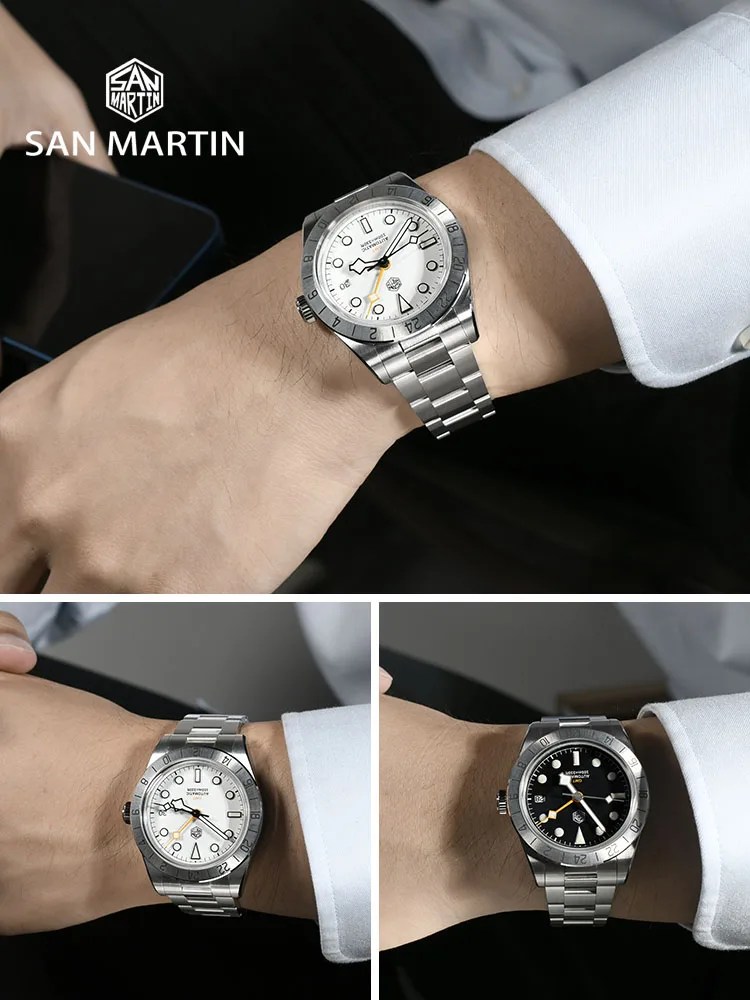
San Martin New 39mm Automatic Mechanical GMT Watch NH34 Stainless Steel Sport Watch Sapphire Luminous Waterproof for Men Relogio
Price Now: EUR 128.35 (Original price: EUR 273.59, 53% off)
🔗Click & Buy: https://s.click.aliexpress.com/e/_oFNHZtP
1. Physical Health Benefits of Exercise for Youthfulness
The most apparent way that exercise contributes to maintaining youth is by directly enhancing physical health. Aging naturally brings about various physiological changes, including muscle atrophy, reduced bone density, and a decline in cardiovascular function. However, regular exercise can significantly slow these processes, preserving the body’s strength, agility, and resilience.
a. Muscle Strength and Flexibility
As individuals age, muscle mass tends to decrease, leading to a reduction in overall strength and mobility. This process, known as sarcopenia, can begin as early as the thirties. Exercise, particularly resistance training, is essential in counteracting this loss. Strength training stimulates muscle growth and prevents atrophy, enabling older adults to maintain their physical independence.
Flexibility also tends to decline with age, resulting in stiffness and reduced range of motion. Regular stretching, yoga, or pilates can help maintain flexibility, making it easier for individuals to perform daily tasks and reducing the risk of injury. Keeping the body limber contributes to a youthful feeling of ease in movement, and it can improve posture and balance, which are crucial as one grows older.
b. Bone Density and Joint Health
Another significant factor in aging is the gradual loss of bone density, which can lead to conditions like osteoporosis, making bones more susceptible to fractures. Weight-bearing exercises, such as walking, running, and strength training, are vital for stimulating bone growth and maintaining bone density. By engaging in these activities regularly, individuals can reduce the risk of fractures and preserve their skeletal health.
Joint health is also a concern as people age. Cartilage deteriorates over time, and joints can become inflamed, leading to arthritis. Low-impact exercises like swimming, cycling, and yoga can help to maintain joint mobility without placing undue stress on the joints. This not only helps with managing pain but also improves overall mobility, contributing to a more youthful and active lifestyle.
c. Cardiovascular Health
The heart and circulatory system naturally weaken with age, which can lead to various cardiovascular conditions. However, aerobic exercises such as jogging, swimming, and cycling help maintain cardiovascular health by strengthening the heart muscle, improving circulation, and lowering blood pressure. Regular aerobic activity can reduce the risk of heart disease, stroke, and high cholesterol, all of which are common as people age.
Furthermore, maintaining a healthy cardiovascular system enhances energy levels, enabling individuals to remain active and engaged in their daily lives. This, in turn, helps them feel more youthful and vibrant, as they can continue to participate in physical activities without becoming easily fatigued.
2. Mental Health and Cognitive Function
Exercise is not only beneficial for the body but also plays a crucial role in preserving mental health and cognitive function, both of which are essential for maintaining youthfulness. The brain undergoes significant changes as we age, and many older adults experience declines in memory, focus, and mental clarity. Regular physical activity, however, has been shown to enhance brain function, reduce the risk of cognitive decline, and promote emotional well-being.
a. Cognitive Preservation
Aging is associated with a natural decline in cognitive abilities, particularly in areas such as memory and processing speed. Exercise has been shown to promote neuroplasticity—the brain’s ability to reorganize itself and form new neural connections. Regular physical activity stimulates the production of growth factors that support the health of brain cells, improving memory retention and learning capacity.
In addition, exercise has been linked to an increased volume in the hippocampus, the region of the brain responsible for memory and learning. This is especially important in preventing or delaying the onset of age-related conditions like Alzheimer’s disease and dementia. By keeping the brain active and healthy, exercise can help individuals maintain cognitive sharpness well into their later years.
b. Mental Clarity and Focus
Another cognitive benefit of exercise is the improvement in mental clarity and focus. Engaging in physical activity increases blood flow to the brain, delivering oxygen and essential nutrients that support cognitive function. This can lead to enhanced concentration, problem-solving abilities, and creativity, all of which are important for maintaining a youthful and active mind.
Additionally, physical activity stimulates the release of endorphins—neurochemicals that improve mood and reduce feelings of stress and anxiety. This “runner’s high” effect can lead to a clearer and more positive mental state, enabling individuals to approach life’s challenges with greater focus and resilience.
c. Emotional Well-Being and Stress Reduction
Emotional well-being is an important aspect of maintaining youthfulness, and exercise is a natural mood booster. Physical activity has been shown to reduce symptoms of depression and anxiety by promoting the production of serotonin and dopamine—chemicals that regulate mood. Regular exercise can help individuals feel more positive, energized, and emotionally balanced.
Stress is a significant contributor to the aging process, as it leads to the release of cortisol, a hormone that can damage cells and accelerate aging. Exercise helps to lower cortisol levels, reducing the impact of stress on the body and mind. By managing stress through physical activity, individuals can preserve their mental and emotional health, contributing to a more youthful and optimistic outlook on life.
3. Improving Longevity and Quality of Life
Maintaining youthfulness through exercise is not just about appearance or feeling young; it also plays a crucial role in extending lifespan and improving overall quality of life. Regular physical activity has been linked to a lower risk of chronic diseases, better mobility, and increased independence in older age. By staying active, individuals can enjoy a higher quality of life well into their later years.
a. Disease Prevention
One of the most significant benefits of exercise is its ability to prevent a wide range of chronic diseases that become more common with age. Conditions such as heart disease, diabetes, and certain types of cancer are all linked to physical inactivity. By engaging in regular exercise, individuals can reduce their risk of developing these conditions, allowing them to enjoy better health and longevity.
For example, exercise improves insulin sensitivity, which helps prevent the onset of type 2 diabetes. It also reduces inflammation in the body, a key factor in the development of many chronic diseases. By keeping the body healthy and disease-free, exercise allows individuals to maintain a youthful vitality and enjoy a longer, healthier life.
b. Mobility and Independence
As people age, maintaining mobility and independence becomes increasingly important for their overall quality of life. Regular exercise helps preserve physical function, enabling older adults to continue performing daily tasks and engaging in activities they enjoy. This sense of autonomy is closely tied to feelings of youthfulness, as individuals who remain physically active are less likely to experience the limitations associated with aging.
Exercise also improves balance and coordination, reducing the risk of falls—a common concern among older adults. Falls can lead to serious injuries that can diminish quality of life, but by maintaining strength and agility through regular physical activity, individuals can reduce their risk and continue to live independently.
c. Social Engagement and Community Involvement
Exercise often provides opportunities for social engagement, whether through group fitness classes, recreational sports, or simply walking with friends. Staying socially active is another important aspect of maintaining youthfulness, as it helps individuals remain connected to their communities and fosters a sense of belonging.
Social engagement has been shown to improve mental health and reduce feelings of loneliness, which can contribute to aging. By participating in physical activities with others, individuals can build meaningful relationships, share experiences, and stay motivated to continue their fitness journeys. This social aspect of exercise further enhances the sense of youthfulness by encouraging individuals to remain active, engaged, and connected to others.
Conclusion
In conclusion, exercise plays a fundamental role in maintaining youthfulness by preserving both physical and mental health, enhancing cognitive function, and improving overall quality of life. Regular physical activity helps to counteract the natural effects of aging, allowing individuals to retain their strength, flexibility, and vitality. It also promotes emotional well-being, reduces stress, and fosters social engagement, all of which are crucial for feeling youthful and vibrant.
Whether through aerobic exercise, strength training, or activities that promote flexibility and balance, incorporating physical activity into daily life is one of the most effective ways to maintain youthfulness. Not only does it enhance longevity, but it also ensures that individuals can enjoy an active, fulfilling, and independent life well into their later years. By prioritizing exercise, we can all embrace a healthier, more youthful future.

