
Winter, with its cold temperatures and shorter days, often inspires a shift in fashion that reflects both the need for warmth and a desire for comfort. But beyond the layers of cozy fabrics and protective outerwear, the colors we choose to wear during this season play a significant role in how we express ourselves, affect our mood, and adapt to the environmental changes around us. Understanding which colors are most appropriate for winter clothing involves a blend of fashion theory, color psychology, and practical considerations such as warmth, versatility, and cultural associations. This essay will explore the importance of color selection in winter clothing, examine the psychological impact of different hues, and offer guidance on how to choose colors that align with both style and seasonal needs.
1. The Power of Color in Fashion
Color has always played a vital role in fashion, influencing how we feel, how we are perceived, and how we perceive ourselves. While many people instinctively gravitate toward certain colors based on personal preference, fashion experts and psychologists alike emphasize that color can have a profound impact on mood, confidence, and even the way we experience temperature.
In winter, as the environment around us grows darker and colder, the colors we choose can either complement or contrast with the seasonal atmosphere. Darker, more subdued tones may harmonize with the shorter days and bare trees, while brighter hues can provide a much-needed splash of vibrancy. Ultimately, the right color palette for winter is one that balances personal expression with the practicalities of the season, creating a look that feels both stylish and appropriate.
2. Classic Winter Colors: Neutrals and Dark Tones
When most people think of winter clothing, they often envision a palette of darker, more muted tones. This is not only a long-standing fashion tradition but also a practical approach to dressing for the season. Neutral shades and dark tones such as black, navy, gray, and brown are staples of winter wardrobes for several reasons.

Black: Timeless Elegance and Versatility
Black is perhaps the most iconic winter color. It is timeless, elegant, and versatile, making it a go-to choice for both casual and formal wear. Black clothing has the advantage of being slimming and flattering on all body types, and it pairs well with virtually any other color, allowing for easy outfit coordination. Furthermore, black absorbs heat from sunlight, providing a practical benefit in cold weather by helping to retain warmth.
However, while black is undeniably stylish, wearing it exclusively can sometimes feel too somber, especially in the midst of winter’s bleakness. Many fashion experts recommend balancing black with other colors to avoid an overly monochromatic look. For example, adding a pop of color through accessories or layering with a textured fabric can bring depth and dimension to a black outfit.
Top On Sale Product Recommendations!
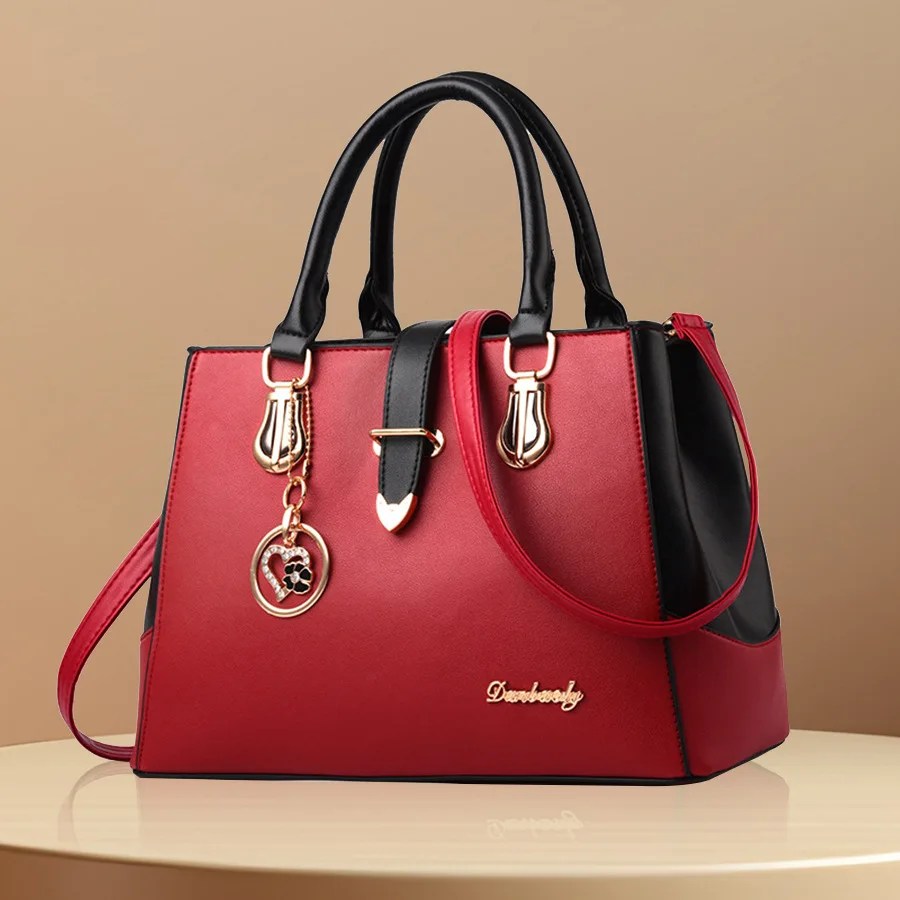
New brand shoulder Bag for 2024 luxury designer handbag women Handbags Large capacity handbag Simple stylish elegant bag
Price Now: EUR 0.60 (Original price: EUR 1.36, 56% off)
🔗Click & Buy: https://s.click.aliexpress.com/e/_ExvHgvJ
Navy Blue: A Sophisticated Alternative
Navy blue offers a softer, less severe alternative to black while maintaining an air of sophistication. It is a classic winter color that works well for both professional and casual settings. Navy is often associated with calmness and authority, making it a popular choice for outerwear like coats and jackets, as well as for tailored pieces such as blazers and trousers.
Navy also has the benefit of being easier to match with other colors, including brighter or more playful hues. It can be paired with whites, creams, and even pastels to create a crisp, clean look that stands out against the dull winter landscape.
Gray: Modern Minimalism
Gray is another staple color for winter, offering a modern and minimalist aesthetic. Ranging from light heather gray to deep charcoal, this color is incredibly versatile and can be dressed up or down depending on the occasion. Lighter shades of gray can be paired with darker tones for contrast, while darker grays provide a sleek and understated look.
Gray is also a neutral color that can be easily combined with brighter accents. A gray wool coat, for instance, looks chic when paired with a colorful scarf or handbag, allowing for a blend of muted and vibrant elements in a single outfit.

Brown: Earthy Warmth
Brown, with its warm, earthy tones, is another excellent choice for winter clothing. Ranging from rich chocolate brown to lighter camel shades, this color evokes feelings of warmth and comfort, making it a natural fit for cold weather. Brown is often seen in leather boots, belts, and jackets, as well as in cozy knitwear and outerwear.
One of the key benefits of brown is its versatility. It pairs beautifully with both other neutrals, such as beige and cream, as well as with bolder colors like red or forest green. Incorporating brown into a winter wardrobe can create a grounded, rustic look that feels both stylish and practical.
3. Incorporating Bold Colors: Brights and Jewel Tones
While neutral and dark tones dominate winter fashion, adding a touch of bold color can elevate an outfit and provide a much-needed burst of energy during the darker months. Winter doesn’t have to be a season of solely muted hues—strategically incorporating bright colors and jewel tones can create a striking contrast to the more subdued winter landscape.
Red: Passion and Warmth
Red is a color traditionally associated with passion, energy, and warmth, making it a popular choice for winter clothing. In the colder months, red serves as a visual antidote to the gray skies and bare trees, injecting life and vibrancy into any outfit. From deep burgundy to bright crimson, red can be worn in both bold and subtle ways.
A red winter coat, for instance, can become a statement piece that exudes confidence and warmth, while a pair of red gloves or a scarf adds a playful pop of color to an otherwise neutral ensemble. Red also pairs beautifully with classic winter colors like black, navy, and gray, allowing for a balanced yet eye-catching look.
Emerald Green: Nature’s Elegance
Emerald green, one of the richest and most luxurious jewel tones, is a perfect color for winter. It evokes the deep green of evergreens, which stand out against the winter snow, and symbolizes renewal and balance. Emerald green is a sophisticated choice for formalwear, particularly in velvet or satin fabrics, but it can also be incorporated into casual outfits through accessories like scarves or hats.
Pairing emerald green with neutrals, such as cream or beige, creates an elegant contrast that feels fresh and harmonious. For a more daring look, it can also be combined with other jewel tones, such as royal blue or purple, for a richly layered color palette that exudes luxury and creativity.
Mustard Yellow: Subtle Sunshine
While bright yellow may seem out of place in winter, mustard yellow offers a toned-down, earthy version of this cheerful color that works well in colder months. Mustard yellow provides a warm, inviting glow that can brighten up even the gloomiest winter day. It pairs particularly well with deep browns, olive green, and navy, creating a balanced and cozy look.
Incorporating mustard yellow into a winter wardrobe can be as simple as adding a knitted sweater or scarf in this shade. The color’s warmth complements winter textures like wool and suede, making it an ideal choice for accessories and layering pieces.
Deep Purple: Regal and Mysterious
Deep purple, often associated with royalty and luxury, is a color that works beautifully in winter. This rich hue adds a sense of mystery and depth to an outfit, particularly when used in evening wear or outerwear. Dark purple coats, velvet blazers, or wool scarves can provide a regal touch that elevates any winter look.
Purple pairs well with other jewel tones, such as emerald and sapphire, or with neutral shades like gray and black for a more understated look. Its versatility makes it a great option for those looking to add a sense of drama and sophistication to their winter wardrobe.
4. Soft, Warm Tones: Beige, Cream, and Pastels
While winter is often associated with darker and more intense colors, softer shades can also play a significant role in winter fashion. Beige, cream, and pastels offer a lighter, more ethereal palette that can evoke the softness of snow and the serenity of the season.
Beige and Cream: Soft Elegance
Beige and cream are classic winter colors that convey a sense of simplicity and understated elegance. These soft, neutral tones are perfect for creating layered, textured looks, particularly in fabrics like cashmere, wool, and faux fur. A beige or cream coat exudes timeless style, while these colors can also be incorporated into knitwear, scarves, and hats for a cozy, monochromatic look.
One of the key benefits of wearing beige or cream is their versatility. These shades can be easily paired with almost any other color, from bold jewel tones to dark neutrals, creating a balanced and harmonious outfit. For a polished winter look, consider pairing a cream sweater with gray trousers or layering a beige coat over a black dress.
Pastels: A Fresh Take on Winter Fashion
While pastels are typically associated with spring, they can offer a refreshing change to traditional winter palettes. Soft shades of pink, lavender, baby blue, and mint green provide a gentle contrast to the darker, more intense colors of winter. Pastel-colored sweaters, scarves, or coats can evoke a sense of lightness and playfulness, brightening up the colder months.
Pastels can be paired with darker neutrals, such as navy or charcoal gray, to create a striking yet balanced look. For those looking to experiment with color in winter, pastels offer a subtle way to introduce softness and warmth into a wardrobe.
5. Cultural Considerations and Trends in Winter Color Choices
Beyond personal preference and color psychology, cultural and regional factors often influence the appropriate color choices for winter clothing. In some cultures, certain colors carry symbolic meaning during the winter months, particularly in relation to holiday celebrations or traditional dress.
For example, in many Western cultures, the color red is strongly associated with Christmas, while green represents renewal and the promise
 WEIN
WEIN 