What is Personality Science?
Personality science is a multidisciplinary field that seeks to understand the individual differences in thoughts, feelings, and behaviors that make up a person’s unique personality. It draws from psychology, neuroscience, sociology, and even genetics to explore how personality develops, influences human behavior, and affects various life outcomes.
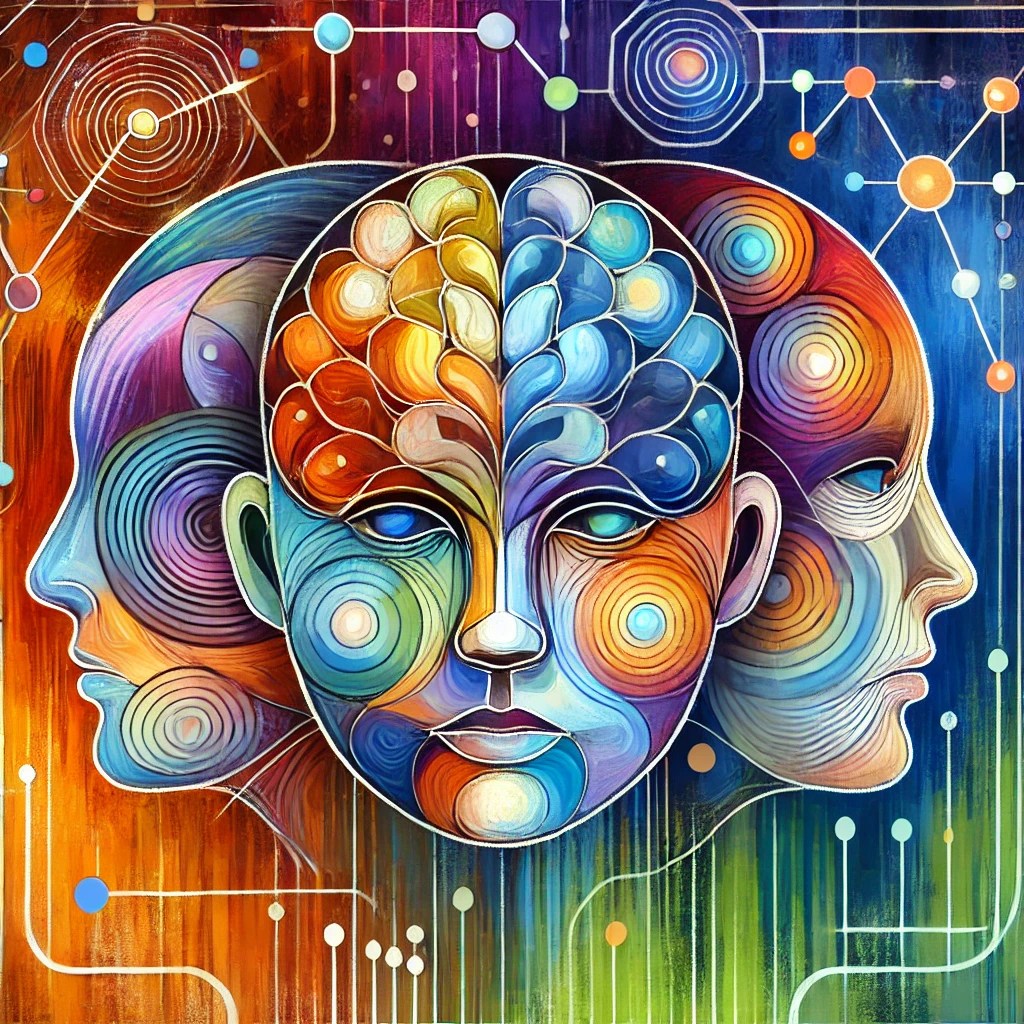
Defining Personality
Personality refers to the enduring patterns of behavior, cognition, and emotion that characterize an individual across various situations and over time. It encompasses traits like openness, conscientiousness, extraversion, agreeableness, and neuroticism, often studied through frameworks like the Big Five Personality Traits model.
The Importance of Personality Science
Understanding personality is critical because it influences:
- Relationships: How people interact with others and form bonds.
- Career Success: Traits like conscientiousness are strong predictors of workplace performance.
- Mental Health: Certain traits can predispose individuals to mental health conditions.
- Decision-Making: Personality shapes choices in everyday life, from hobbies to major life decisions.
Key Areas of Study in Personality Science
- Personality Development:
This area explores how personality evolves over time, influenced by genetics, environment, and life experiences. For example, childhood experiences and social interactions play significant roles in shaping personality traits. - Measurement of Personality:
Psychologists use tools like self-report questionnaires, behavioral observations, and projective tests to measure personality traits. The Myers-Briggs Type Indicator (MBTI) and the NEO Personality Inventory are popular examples. - Biological Basis of Personality:
Advances in neuroscience and genetics have uncovered links between brain structures, neurochemistry, and personality. For instance, extraversion has been associated with dopamine activity in the brain. - Cultural and Social Influences:
Culture significantly affects personality. For example, collectivist cultures often emphasize traits like agreeableness, while individualistic societies may value assertiveness. - Personality Disorders:
Abnormal patterns in personality can lead to conditions like borderline personality disorder or narcissistic personality disorder, which require specialized understanding and treatment.
Applications of Personality Science
Personality science has real-world applications in various fields:
- Clinical Psychology: To diagnose and treat personality disorders.
- Organizational Behavior: To optimize hiring and team dynamics.
- Education: To tailor teaching strategies based on student personality traits.
- Personal Development: To help individuals understand and enhance their strengths.
Challenges in Personality Science
Despite its advancements, personality science faces challenges such as:
- Nature vs. Nurture Debate: Determining the extent to which genetics versus environment shapes personality.
- Measurement Limitations: Some tools may lack reliability or cultural relevance.
- Complexity: Personality is influenced by countless variables, making it difficult to isolate specific causes or effects.
Conclusion
Personality science is a fascinating field that sheds light on what makes each individual unique. By studying personality, researchers can better understand human behavior, improve mental health interventions, and enhance personal and professional relationships. As the field continues to evolve, integrating emerging technologies and interdisciplinary approaches will undoubtedly unlock deeper insights into the human psyche.

