Menstruation is a natural and essential process that many women experience every month, yet it remains a topic surrounded by stigma and misunderstanding. Understanding what women go through during their menstrual cycle and knowing how to support them can foster healthier relationships and a more empathetic environment. This article delves into the physical, emotional, and psychological experiences women may face during menstruation and offers practical tips on how to provide support during this time.
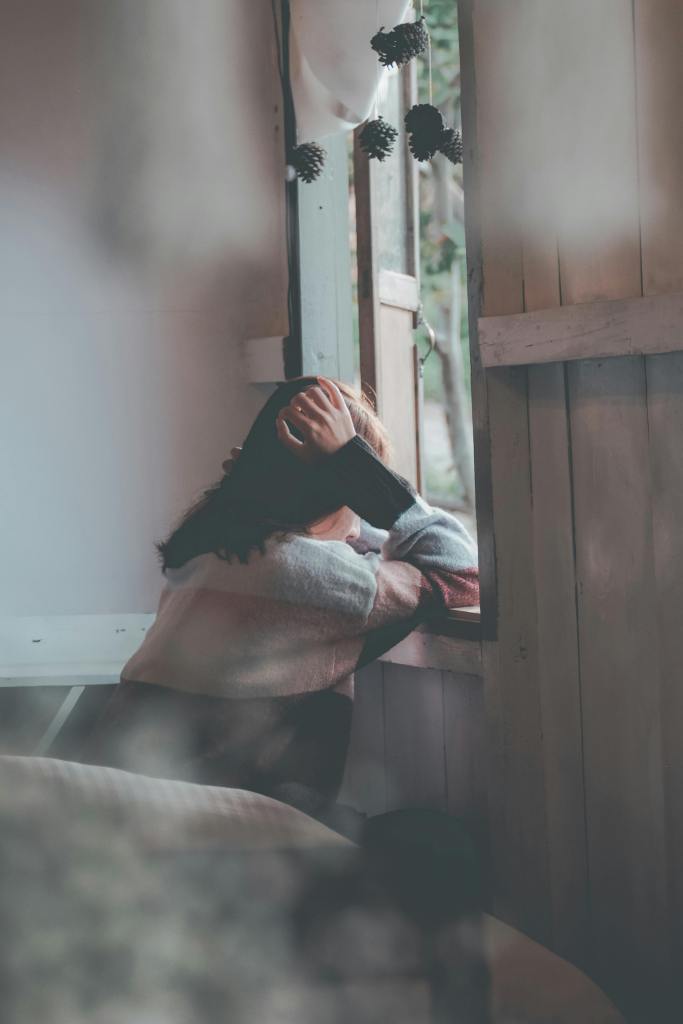
The Menstrual Cycle: An Overview
The menstrual cycle is a complex process that involves hormonal changes preparing a woman’s body for potential pregnancy. If pregnancy doesn’t occur, the uterus sheds its lining, leading to menstruation. This cycle usually lasts between 21 and 35 days, with menstruation typically lasting 3 to 7 days.
During this time, many women experience a range of symptoms that vary in intensity. These can include:
- Physical Symptoms: Cramps, bloating, headaches, back pain, fatigue, and breast tenderness.
- Emotional Symptoms: Mood swings, irritability, anxiety, or feelings of sadness.
- Cognitive Effects: Difficulty concentrating or feeling mentally “foggy.”
Why Understanding Women’s Feelings Matters
Women’s experiences during menstruation are deeply personal and can vary widely. While some may have mild symptoms, others endure severe discomfort that can disrupt their daily lives. Acknowledging these challenges fosters empathy, reduces stigma, and creates a supportive environment that allows women to feel valued and understood.
How to Treat Women During Menstruation
Here are some practical and thoughtful ways to support women during their menstrual period:
1. Practice Empathy and Patience
Hormonal fluctuations can significantly affect emotions and behavior. If a woman seems irritable or emotional, it’s important not to dismiss her feelings. Instead, practice patience and offer a listening ear. Avoid judgment and recognize that her mood changes are part of a natural process.
2. Be Attentive to Physical Needs
Menstrual cramps and fatigue can make daily activities challenging. Here’s how you can help:
- Offer to assist with chores or responsibilities to lighten her load.
- Prepare a hot water bottle or heating pad to help ease cramps.
- Encourage rest and relaxation when she needs it.
3. Offer Comfort Foods
Many women crave certain foods during their period. Offering her favorite snacks or preparing a comforting meal can be a thoughtful gesture. Keep in mind that some women prefer lighter, healthier options, while others may indulge in sweets or salty treats.
4. Respect Personal Boundaries
Every woman copes with her period differently. Some may prefer to be left alone, while others appreciate companionship. Respect her wishes and check in with her to understand what she needs.
5. Normalize Conversations About Menstruation
Menstruation is often treated as a taboo subject, but open and respectful conversations can break the stigma. Educate yourself about the menstrual cycle and be willing to discuss it without awkwardness or judgment.
6. Be Prepared
If you’re in a close relationship with a woman who menstruates, keep track of her cycle and ensure she has access to necessary supplies like sanitary pads, tampons, or menstrual cups. Having these on hand shows care and consideration.
7. Encourage Self-Care
Encourage her to prioritize self-care during her period. This can include taking a warm bath, practicing gentle yoga, or simply taking time to unwind. Offer to join her in activities that promote relaxation and well-being.
Conclusion
Supporting women during menstruation doesn’t require grand gestures—small acts of kindness and understanding can make a significant difference. By educating yourself about the menstrual cycle, practicing empathy, and being proactive, you can help create an environment where women feel supported and appreciated during this natural phase of life. Together, we can work to normalize menstruation and eliminate the stigma that often surrounds it, paving the way for healthier relationships and more inclusive communities.
 WEIN
WEIN 