article you can smell it
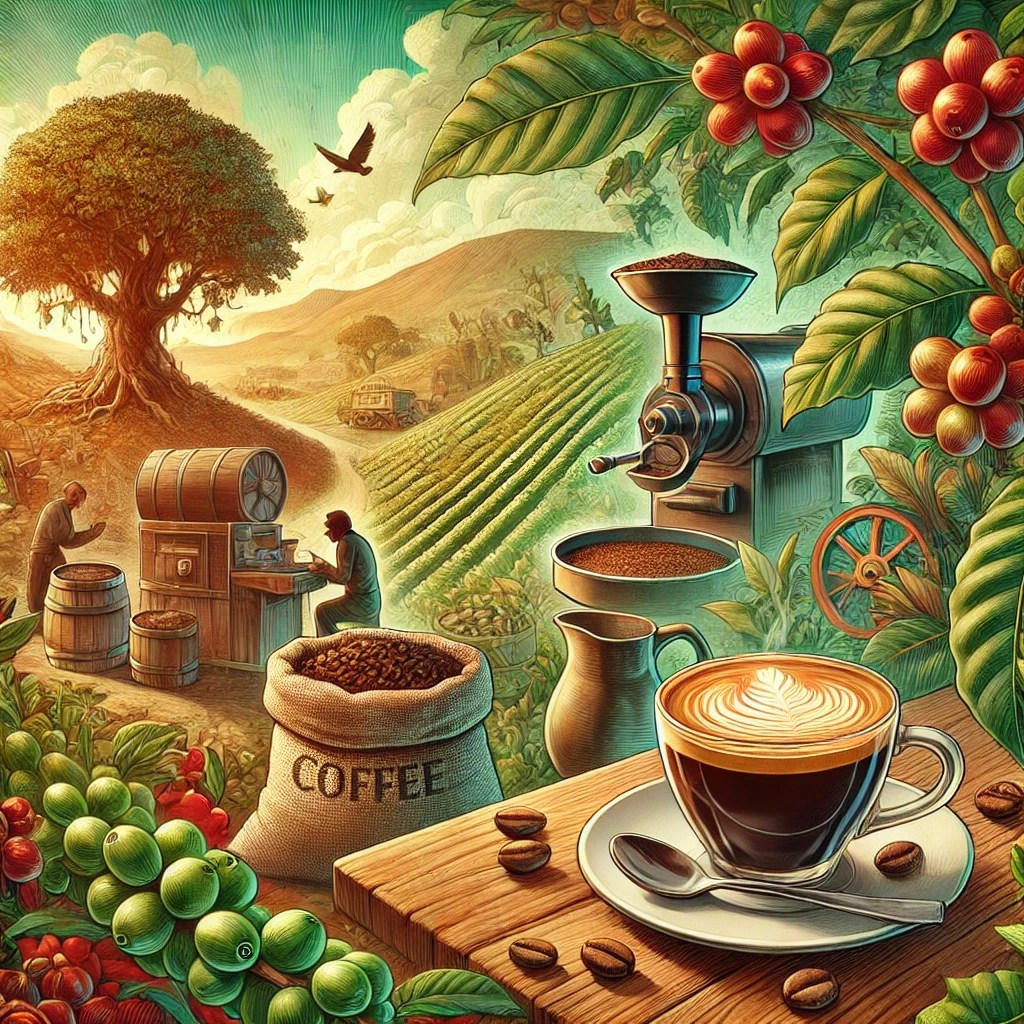
Coffee, one of the world’s most beloved beverages, has a rich history, diverse preparation methods, and a deep cultural significance. Whether you’re starting your day with a steaming cup of espresso, enjoying a leisurely afternoon latte, or sipping a chilled cold brew in the evening, coffee offers something for everyone. In this article, we’ll explore the origins of coffee, its global journey, the science behind its production, the art of brewing, and its impact on culture and health.
The Origins of Coffee: A Legend and Legacy
The story of coffee begins in the highlands of Ethiopia. According to legend, a goat herder named Kaldi noticed his goats became unusually energetic after eating berries from a certain tree. Intrigued, Kaldi tried the berries himself and experienced a similar surge of energy. This discovery laid the foundation for what would become one of the world’s most popular beverages.
From Ethiopia, coffee traveled to Yemen, where it was cultivated and consumed as a stimulating drink called qahwa. By the 15th century, it had spread to Persia, Turkey, and North Africa. The Ottomans introduced coffee to Europe in the 16th century, and by the 17th century, coffeehouses had become cultural hubs across the continent.
Coffee Cultivation: From Seed to Cup
The Coffee Plant
Coffee comes from the seeds of the coffee plant, a tropical shrub or small tree that thrives in regions known as the “coffee belt,” situated between the Tropics of Cancer and Capricorn. The two most common coffee species are Coffea arabica (Arabica) and Coffea canephora (Robusta).
- Arabica: Known for its nuanced flavors and higher acidity, Arabica accounts for about 60% of global coffee production.
- Robusta: More resistant to pests and diseases, Robusta has a stronger, more bitter flavor and is often used in instant coffee and espresso blends.
The Coffee Cherry
Coffee beans are the seeds of the coffee cherry, a small fruit that grows on the coffee plant. The cherries are typically harvested by hand to ensure only the ripest fruits are picked, though mechanical harvesting is also used in some regions.
Processing Coffee: Unveiling the Flavors
Once harvested, coffee cherries must be processed to extract the beans. The method of processing greatly influences the flavor profile of the coffee.
- Washed (Wet) Process: The fruit is removed before fermentation, producing clean and bright flavors.
- Natural (Dry) Process: The cherries are dried with the fruit intact, resulting in sweet, fruity notes.
- Honey Process: A hybrid of the two, where some of the fruit remains during drying, adding complexity to the coffee.
After processing, the beans are dried, milled, and graded before being exported to roasters worldwide.
Roasting: Transforming Green Beans into Aromatic Delights
Roasting is where coffee’s true potential is unlocked. During roasting, the green coffee beans are heated to high temperatures, causing chemical reactions that develop flavor and aroma.
- Light Roast: Highlights the coffee’s origin characteristics, often with bright acidity and delicate flavors.
- Medium Roast: Balances acidity and body, offering a sweeter, well-rounded flavor.
- Dark Roast: Produces bold, smoky flavors, often overpowering the beans’ natural characteristics.
Each roaster has their unique approach, carefully adjusting variables like time and temperature to craft the perfect roast.
Brewing Coffee: The Science and Art
Brewing coffee is both a science and an art, requiring precise control of water temperature, grind size, and brew time. There are countless methods for brewing coffee, each with its own charm and resulting flavor profile.
Popular Brewing Methods
- Espresso: Made by forcing hot water through finely ground coffee under pressure, espresso is the base for many drinks like lattes and cappuccinos.
- Drip Coffee: A common method using a coffee maker to drip hot water over medium-ground coffee.
- French Press: A full-immersion method that steeps coarse-ground coffee in hot water before pressing it through a mesh filter.
- Pour-Over: A manual method where hot water is poured over coffee grounds in a circular motion, emphasizing control and precision.
- Cold Brew: Made by steeping coffee grounds in cold water for 12–24 hours, resulting in a smooth, low-acidity drink.
The Global Culture of Coffee
Coffee has transcended its role as a beverage to become a cultural phenomenon, shaping traditions and fostering community worldwide.
Coffeehouses: The Original Social Network
In the 17th century, coffeehouses in Europe became centers of intellectual exchange, earning the nickname “penny universities” for the cost of entry. Writers, artists, and philosophers gathered to discuss ideas, paving the way for movements like the Enlightenment.
Today, coffee shops remain popular meeting spots, blending workspaces with social hubs. Chains like Starbucks have introduced a globalized coffee culture, while independent cafes champion local craftsmanship and unique experiences.
Regional Coffee Traditions
- Ethiopia: Coffee ceremonies are a cornerstone of Ethiopian culture, involving the roasting, brewing, and sharing of coffee in a ritualized setting.
- Italy: Espresso is central to Italian coffee culture, often consumed quickly at a bar.
- Turkey: Turkish coffee, brewed in a cezve and often served with sweets, is an integral part of hospitality.
- Saudi Arabia: Gahwa, flavored with cardamom and often served with dates, reflects the region’s rich traditions.
- Japan: Precision and artistry define Japanese coffee culture, from siphon brewing to minimalist cafes.
Coffee and Health: The Benefits and Myths
Coffee’s health effects have been widely studied, revealing both benefits and considerations for consumption.
Health Benefits
- Boosts Energy: Caffeine, a natural stimulant, enhances alertness and reduces fatigue.
- Rich in Antioxidants: Coffee contains antioxidants that may protect against certain diseases.
- Supports Brain Health: Studies suggest coffee consumption may lower the risk of neurodegenerative disorders like Alzheimer’s and Parkinson’s.
- Improves Physical Performance: Caffeine can enhance athletic performance by increasing adrenaline levels.
Moderation is Key
While coffee offers many benefits, excessive consumption can lead to negative effects such as insomnia, anxiety, and digestive issues. The general recommendation is to limit intake to 3–4 cups per day.
Sustainability in Coffee Production
As demand for coffee grows, sustainability has become a critical concern. Climate change, deforestation, and social inequities threaten the future of coffee cultivation.
Ethical Sourcing
Programs like Fair Trade and Rainforest Alliance aim to ensure that coffee farmers receive fair wages and work under ethical conditions. Consumers are encouraged to support sustainable brands to protect the environment and coffee-growing communities.
Innovations in Sustainability
From eco-friendly packaging to carbon-neutral farming, the coffee industry is embracing innovations to reduce its environmental footprint. Many roasters and cafes are adopting zero-waste practices to create a more sustainable future.
The Future of Coffee
As technology advances and tastes evolve, the coffee industry continues to innovate. Trends like plant-based milk alternatives, nitro cold brew, and specialty-grade instant coffee are reshaping how people enjoy their favorite beverage. Additionally, scientific advancements in coffee genetics and brewing equipment promise even greater precision and variety.
Conclusion
Coffee is more than just a drink; it’s a journey of discovery, a cultural bridge, and a daily ritual for billions. Its versatility, rich history, and ability to bring people together make it a timeless treasure. Whether you’re a casual coffee drinker or a dedicated enthusiast, there’s always something new to learn, taste, and experience in the ever-evolving world of coffee.
As you savor your next cup, take a moment to appreciate the intricate process that brought it to you—from the fields where it was grown to the hands that prepared it. Cheers to coffee, the liquid that fuels our lives and connects the world.

