10 Ways an Elliptical Machine Benefits Your Health

The elliptical machine has become a popular staple in gyms and home fitness routines, thanks to its low-impact design and ability to provide a full-body workout. While many people turn to ellipticals for a cardio session, the machine offers far more than just a heart-pumping sweat. From improving cardiovascular health to aiding weight loss, here are 10 ways using an elliptical machine can benefit your overall health.

1. Low-Impact Cardio Workout

One of the most significant benefits of the elliptical machine is that it provides a low-impact cardio workout. Unlike running or jogging, which can put stress on your joints, knees, and back, the elliptical offers a smooth, gliding motion that reduces the impact on these areas. This makes it a great option for people with joint pain, arthritis, or those recovering from injuries.

The elliptical’s low-impact nature allows you to get your heart rate up without causing unnecessary strain, making it suitable for all fitness levels.

2. Improves Cardiovascular Health

Cardiovascular exercise is crucial for maintaining heart health, and the elliptical machine is an excellent way to work your cardiovascular system. Regular use of the elliptical helps improve blood circulation, lowers blood pressure, and enhances overall heart function. As a weight-bearing exercise, it also helps strengthen your bones and muscles, reducing the risk of heart disease over time.

Consistent cardiovascular workouts, like those on the elliptical, help reduce the likelihood of strokes, high blood pressure, and cholesterol-related issues.

3. Full-Body Workout

While the elliptical machine is often associated with lower-body workouts, it actually provides a full-body workout when used correctly. Many elliptical machines have moving handles that allow you to engage your arms, shoulders, and chest, working your upper body alongside your legs.

This dual-action motion engages the muscles in your legs, glutes, arms, core, and back, making the elliptical a great option for a balanced workout. Engaging more muscle groups also increases calorie burn, making it more effective for weight loss and overall fitness.

4. Helps with Weight Loss

If you’re aiming for weight loss, the elliptical machine is a great tool. A 30-minute session on the elliptical can burn between 270 and 400 calories, depending on your weight and intensity level. Since it works both your upper and lower body, it increases calorie expenditure, helping you burn more fat in less time.

Additionally, the elliptical allows you to adjust the resistance and incline settings to increase intensity, which helps build muscle and boosts metabolism, further aiding in weight loss.

5. Improves Endurance

Using the elliptical regularly can significantly improve your cardiovascular endurance. As your heart becomes more efficient at pumping blood and delivering oxygen to your muscles, you’ll notice improvements in your stamina during daily activities and other types of physical exercise.

Endurance training on the elliptical helps you build up your ability to sustain longer, more intense workouts over time. This makes it a great tool for athletes looking to increase their endurance or for beginners aiming to improve overall fitness.

6. Strengthens Lower Body Muscles

The elliptical targets major muscle groups in your lower body, including your glutes, quads, hamstrings, and calves. By adjusting the incline and resistance, you can tailor your workout to focus more on these muscles, building strength and tone over time.

Increasing resistance helps build muscle strength, while using an incline emphasizes different muscle groups. The elliptical is also great for improving balance and coordination, as you need to engage your core muscles to maintain stability.

7. Reduces Stress on Joints

Because the elliptical provides a smooth, gliding motion, it significantly reduces the stress on your joints compared to high-impact exercises like running. This makes it ideal for individuals with joint problems, older adults, or those recovering from knee, hip, or ankle injuries. The machine’s design ensures that your feet stay in contact with the pedals throughout the exercise, minimizing jarring movements that can aggravate joint issues.

By offering a joint-friendly workout, the elliptical allows you to stay active and maintain cardiovascular health without exacerbating joint pain.

8. Boosts Mental Health

Like any form of aerobic exercise, working out on an elliptical can have positive effects on your mental health. Exercise helps stimulate the release of endorphins, the body’s natural “feel-good” chemicals, which help reduce stress, anxiety, and symptoms of depression. The rhythmic motion of the elliptical can also be meditative, allowing you to zone out and clear your mind, which can contribute to an improved mood.

Incorporating regular exercise, such as using the elliptical, can also improve sleep patterns, which plays a vital role in overall mental well-being.

9. Improves Balance and Coordination

Using an elliptical machine engages your core muscles to maintain balance and stability, helping to improve balance and coordination over time. When using the elliptical without holding onto the handles, your body relies more on your core muscles to stay upright and move fluidly through the motions.

Improved balance and coordination can reduce the risk of falls and injuries in daily life, making the elliptical machine an excellent option for older adults looking to enhance their stability.

10. Customizable and Versatile Workouts

One of the great things about the elliptical is its versatility. Whether you’re looking for a high-intensity interval training (HIIT) session or a steady-state cardio workout, the elliptical can be adjusted to meet your fitness goals. Most machines come with customizable settings that allow you to change the resistance, incline, and speed, enabling you to target specific muscle groups or work on different aspects of fitness.

You can also vary your workouts by using different techniques, such as pedaling in reverse to engage different muscle groups, or adding intervals to increase calorie burn.

Conclusion: A Versatile and Effective Fitness Tool

The elliptical machine is much more than just a piece of cardio equipment. With its low-impact design, it provides an excellent full-body workout that improves cardiovascular health, strengthens muscles, aids in weight loss, and reduces stress on joints. Whether you’re a beginner or a seasoned athlete, incorporating the elliptical into your fitness routine can offer numerous health benefits, both physical and mental.

The machine’s versatility and ability to provide both a challenging and joint-friendly workout make it an essential part of any fitness plan. So next time you hit the gym or are looking for an effective at-home workout, don’t underestimate the power of the elliptical machine for reaching your health and fitness goals.
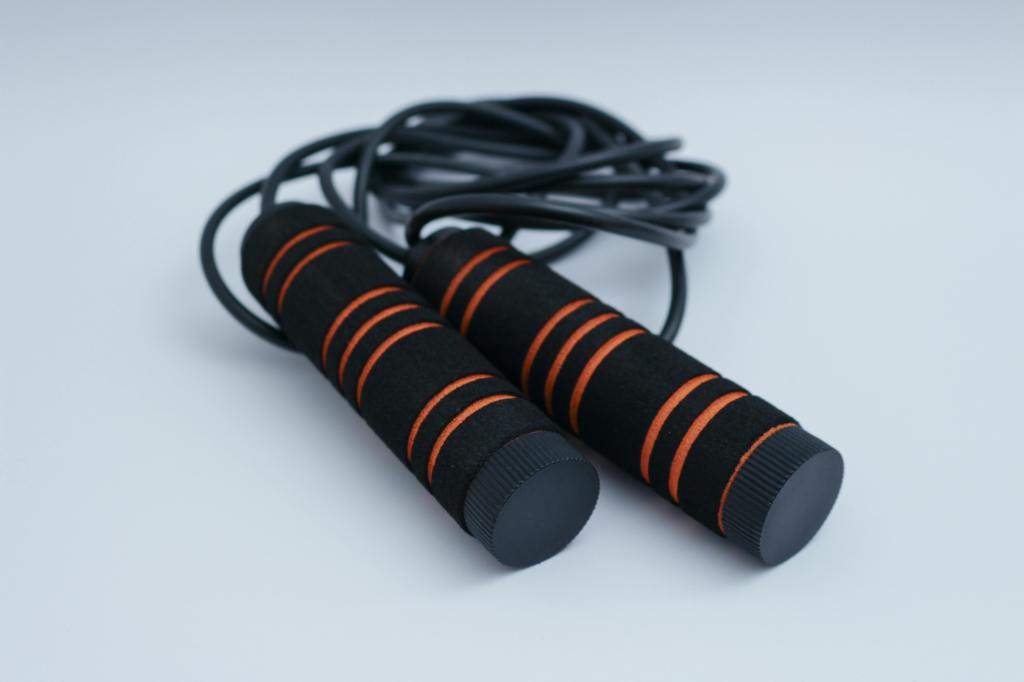
Why You Should Start Incorporating Jump Rope Workouts Into Your Routine

Jump rope workouts may remind you of childhood play, but this simple piece of equipment is a powerful fitness tool that should not be overlooked. Jumping rope is one of the most effective, versatile, and fun ways to enhance your fitness routine, offering numerous health benefits that range from improving cardiovascular endurance to strengthening muscles. Whether you’re new to exercise or a seasoned athlete, incorporating jump rope workouts into your routine can elevate your fitness game.

The Benefits of Jump Rope Workouts

1. High-Calorie Burn in Less Time

If you’re looking for an efficient way to burn calories, jumping rope is one of the best exercises. A study from Science Daily reports that jumping rope for 10 minutes can burn as many calories as running an eight-minute mile. This makes it an excellent option for people who want to maximize their workout time, especially if you have a busy schedule.

Depending on your weight and intensity, jumping rope can burn around 200-300 calories in just 15 minutes. This makes it a powerful tool for weight loss and improving overall fitness.

2. Improves Cardiovascular Health

Jumping rope is an exceptional cardiovascular exercise that elevates your heart rate quickly and keeps it up throughout the workout. Regularly engaging in jump rope workouts helps strengthen your heart, improves circulation, and increases your cardiovascular endurance. Studies have shown that jump rope can lower the risk of heart disease by improving overall heart function and lowering blood pressure and cholesterol levels.

Whether you’re training for a marathon or just looking to improve your overall fitness, jump rope workouts can help you build the endurance needed for long-duration activities.

3. Full-Body Workout

One of the biggest advantages of jumping rope is that it engages nearly every muscle in your body. When you jump, your legs work to propel you off the ground, your core muscles stabilize your movements, and your arms, shoulders, and wrists control the rope’s movement. This makes jump rope a great option for a full-body workout that builds strength and coordination.

By integrating jump rope workouts into your routine, you’ll see improvements in your lower body (calves, hamstrings, quads), upper body (shoulders and arms), and core, giving you a balanced and well-rounded workout.

4. Improves Coordination and Agility

Jumping rope requires timing, precision, and balance, which in turn helps to improve your overall coordination and agility. This is why boxers, athletes, and fitness enthusiasts often rely on jump rope to enhance their footwork, reaction time, and rhythm.

If you’re involved in sports or activities that require quick reflexes and footwork, incorporating jump rope workouts can make a significant difference in your performance. Even if you’re not an athlete, better coordination can help with daily activities and prevent injuries.

5. Portable and Versatile

One of the greatest advantages of jump rope is its portability. You can take a jump rope anywhere — it’s lightweight, inexpensive, and easy to pack in your gym bag or suitcase. Whether you’re traveling or working out at home, all you need is a small space to get started.

Jump rope is also incredibly versatile. You can use it for a quick cardio boost, as part of a high-intensity interval training (HIIT) session, or as a warm-up before strength training. It’s easy to adjust the intensity and duration of your jump rope workouts to suit your fitness level and goals.

6. Low Impact with the Right Technique

While jumping rope is often thought of as high-impact, it can be surprisingly gentle on your joints when done correctly. By landing softly on the balls of your feet and keeping your jumps low, you can minimize the impact on your knees and ankles. In fact, jumping rope can strengthen your joints and improve your bone density, reducing the risk of injury over time.

This makes it a great alternative for people who may want to give their joints a break from running or other high-impact activities.

How to Incorporate Jump Rope Into Your Routine

If you’re ready to add jump rope to your fitness routine, there are several ways to get started. Here are a few ideas:

1. Warm-Up Routine

Before jumping into a full workout, use jump rope as a dynamic warm-up to elevate your heart rate and activate your muscles. Start with 2-3 minutes of light jumping to prepare your body for more intense exercises.

2. High-Intensity Interval Training (HIIT)

Jump rope is perfect for HIIT workouts. Try alternating between 30 seconds of intense jumping and 15 seconds of rest for 10-15 minutes. This kind of interval training will torch calories, improve cardiovascular health, and boost endurance in a short period.

3. Active Recovery Between Sets

During strength training or circuit workouts, you can use jump rope as an active recovery tool between sets. Instead of resting completely, jump rope for 30 seconds to keep your heart rate up and continue burning calories while recovering for the next round of exercises.

4. Standalone Cardio Sessions

If you’re short on time or prefer a minimalist workout, you can use jump rope for standalone cardio sessions. A 15-20 minute jump rope workout can be an efficient way to meet your cardio goals and burn calories quickly.

Jump Rope Tips for Beginners

If you’re new to jumping rope, it’s essential to start slow and practice proper form to prevent injuries and make the most of your workouts. Here are a few tips for beginners:

  • Choose the Right Rope: Ensure the rope is the appropriate length for your height. Stand on the middle of the rope with both feet, and the handles should reach your armpits.
  • Start with the Basics: Focus on timing and form before increasing speed or intensity. Keep your jumps low, and land softly to protect your joints.
  • Mix Up Your Techniques: Once you’re comfortable with the basics, you can mix things up with different jump techniques such as single-leg jumps, double unders, or crossovers to keep things fun and challenging.
  • Rest When Needed: Jumping rope can be intense, so it’s important to listen to your body and take breaks as needed.

Conclusion: Why You Should Start Jumping Rope

Jump rope workouts offer a wide range of benefits, from burning calories and improving heart health to enhancing coordination and agility. It’s a portable, inexpensive, and fun way to add variety to your fitness routine. Whether you’re looking to lose weight, improve athletic performance, or just stay active, incorporating jump rope into your workouts can deliver impressive results in less time.

With so many advantages, there’s no reason not to give jump rope a try. Start slow, stay consistent, and watch your fitness levels soar.

This Type of Exercise Will Make You Feel Less Hungry — And Help With Weight Loss: Study

When it comes to losing weight, most people focus on what they eat and how much they exercise. But did you know that the type of exercise you choose can significantly impact your hunger levels and ability to control your cravings? Recent studies have revealed that specific forms of exercise can not only help you burn calories but also reduce hunger, making it easier to stick to a calorie deficit for weight loss. Let’s explore how different types of exercise affect your appetite and how you can leverage this information for better results in your weight loss journey.

The Link Between Exercise and Hunger

Exercise and appetite are interconnected in complex ways. While you might assume that burning more calories through exercise would automatically make you hungrier, research suggests that this is not always the case. In fact, certain types of exercise can actually suppress hunger and influence hormones responsible for regulating appetite.

According to a study published in the journal Appetite, the type and intensity of exercise play key roles in how much your hunger levels are affected. Specifically, high-intensity interval training (HIIT) and aerobic exercise have been shown to have a more pronounced effect on reducing hunger compared to low-intensity or resistance training exercises.

HIIT and Aerobic Exercise: Appetite Suppressors

High-Intensity Interval Training (HIIT) has gained popularity due to its efficiency and effectiveness in burning fat. HIIT workouts typically involve short bursts of intense exercise followed by brief periods of rest. These short, intense intervals push your body into a higher calorie-burning mode, even after the workout is over, thanks to a phenomenon known as excess post-exercise oxygen consumption (EPOC).

But what’s more interesting is HIIT’s effect on hunger. Research indicates that HIIT helps reduce the levels of ghrelin, the hormone responsible for stimulating appetite, while increasing levels of peptide YY (PYY), a hormone associated with feeling full. As a result, people who perform HIIT workouts tend to feel less hungry afterward, which could make it easier to avoid overeating and maintain a calorie deficit necessary for weight loss.

Similarly, aerobic exercises like running, cycling, and swimming have been found to curb appetite, especially when performed at moderate to high intensities. Aerobic workouts increase the production of leptin, a hormone that signals to your brain that you’re full and don’t need to eat. By lowering ghrelin and increasing leptin, aerobic exercise creates a hormonal environment that naturally curbs hunger.

Top On Sale Product Recommendations!
New Women shoulder Bag for 2024 brand luxury designer handbag Large capacity soft leather women’s saddle bag crossbody Tote bags
Price Now: EUR 1.10 (Original price: EUR 2.74, 60% off)
🔗Click & Buy: https://s.click.aliexpress.com/e/_EzIT7Sh

Why Strength Training May Have a Different Effect

Strength training, while highly effective for building muscle and boosting metabolism, may not have the same immediate impact on hunger regulation as HIIT or aerobic exercise. Studies have shown that resistance training can sometimes lead to an increase in appetite, possibly because the body requires more energy (calories) to repair and build muscle after intense weightlifting sessions.

However, this doesn’t mean you should avoid strength training if your goal is weight loss. Building lean muscle through resistance exercises increases your resting metabolic rate, meaning you’ll burn more calories throughout the day, even at rest. The key is to balance strength training with cardio and HIIT workouts for optimal weight loss results.

Exercise for Appetite Control: Key Strategies

If you want to leverage exercise to help control your hunger while losing weight, here are some strategies based on the latest research:

  1. Incorporate HIIT Workouts: Aim for 2-3 sessions of HIIT per week. You can start with short workouts of 20-30 minutes, focusing on exercises like sprints, jumping jacks, or cycling. The intensity will not only torch calories but also help reduce your appetite.
  2. Mix in Aerobic Exercise: Moderate-to-high intensity aerobic workouts can help suppress appetite and burn fat simultaneously. Consider activities like running, swimming, or rowing for 30-45 minutes several times a week.
  3. Balance with Strength Training: While resistance training might not suppress hunger immediately, it’s essential for muscle building and long-term metabolic health. Strength train at least 2-3 times a week, focusing on all major muscle groups.
  4. Monitor Your Hunger Levels: Pay attention to how different types of exercise affect your hunger. Some people might feel more satisfied after a HIIT session, while others might need to balance cardio and resistance training based on how their bodies respond.
  5. Stay Hydrated: Sometimes thirst is mistaken for hunger. Make sure to drink enough water before, during, and after exercise to avoid unnecessary hunger pangs caused by dehydration.

The Science Behind Hunger Regulation and Exercise

To understand why certain types of exercise suppress appetite, it’s important to dive deeper into how exercise influences hunger hormones.

  • Ghrelin is often referred to as the “hunger hormone” because it signals your brain when it’s time to eat. High levels of ghrelin can make you feel more hungry, and intense exercise like HIIT has been shown to reduce its levels temporarily.
  • Peptide YY (PYY) and leptin are hormones that signal satiety, or feelings of fullness. Exercise, especially HIIT and aerobic training, increases the levels of these hormones, which can help reduce your desire to eat after a workout.

Moreover, exercise improves insulin sensitivity, which helps your body better regulate blood sugar levels. When blood sugar is stable, you’re less likely to experience sudden cravings for high-calorie, sugary foods.

Conclusion: Exercise as an Appetite-Regulating Tool

The type of exercise you engage in can play a major role in how hungry or full you feel throughout the day. High-intensity workouts like HIIT and aerobic exercises have been scientifically proven to reduce hunger by regulating key appetite hormones. When combined with a balanced diet, these exercises can help you stay on track with your weight loss goals by making it easier to control cravings and avoid overeating.

Incorporating a mix of high-intensity cardio, aerobic training, and strength exercises into your fitness routine can lead to better long-term results for weight loss and overall health. If hunger has been a roadblock in your weight loss journey, try focusing on the types of exercises that will work in your favor, helping you feel fuller and more in control of your diet.

By choosing the right workouts, you can harness the power of exercise not only to burn calories but also to curb your appetite, making weight loss more manageable and sustainable.

I will not diet anymore??then How do I lose weight

Introduction

Losing weight is a common goal for many individuals, but the idea of dieting often brings to mind strict food restrictions, calorie counting, and sometimes unsustainable habits. However, the concept of weight loss without dieting has gained popularity in recent years, as more people are shifting their focus from temporary diet plans to sustainable, long-term lifestyle changes. Instead of following a rigid diet, it is possible to shed pounds through modifications to behavior, environment, and habits. This essay will explore how to lose weight without dieting by focusing on changes in physical activity, mindful eating, managing stress, improving sleep, and maintaining a healthy relationship with food.

1. Increasing Physical Activity

One of the most effective ways to lose weight without dieting is to increase your level of physical activity. Many people believe that intense exercise is necessary for weight loss, but moderate, consistent movement throughout the day can be just as beneficial, if not more sustainable in the long term.

Non-Exercise Activity Thermogenesis (NEAT)

A key concept to understand when trying to lose weight without dieting is Non-Exercise Activity Thermogenesis, or NEAT. NEAT refers to the calories burned during everyday activities that aren’t classified as structured exercise. These activities include walking, standing, fidgeting, and even doing household chores. Increasing NEAT can lead to significant calorie expenditure over time without requiring intense workouts.

Some practical ways to increase NEAT include:

  • Taking the stairs instead of the elevator.
  • Walking or biking to work or running errands.
  • Doing household tasks such as cleaning, gardening, or yard work.
  • Taking short breaks to walk around during sedentary periods at work or home.

Top On Sale Product Recommendations!
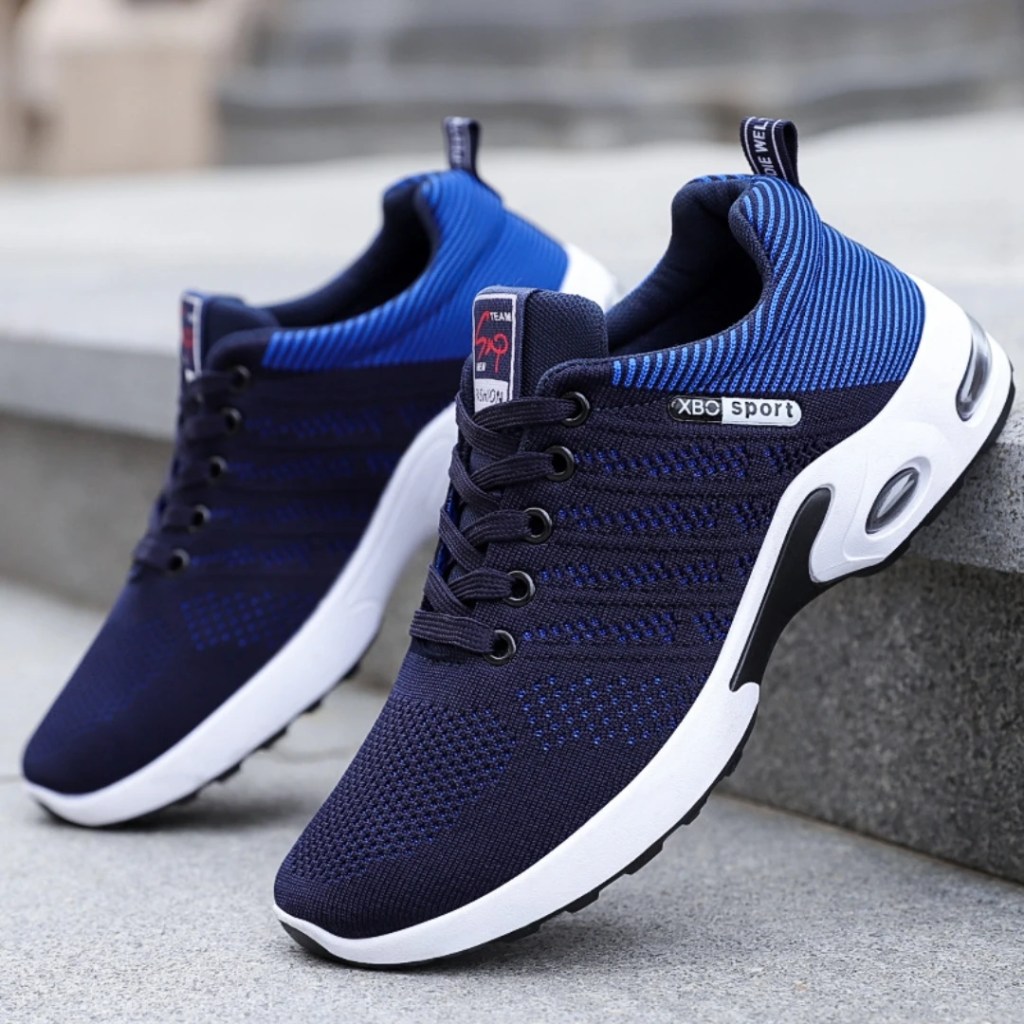
Men’s shoes spring new trend men’s shoes breathable lace-up running shoes Korean version of light casual walking shoes men
Price Now: EUR 0.13 (Original price: EUR 0.27, 52% off)
🔗Click & Buy: https://s.click.aliexpress.com/e/_ExU8aYZ

Incorporating Enjoyable Physical Activities

Engaging in physical activities that are enjoyable and fit naturally into your routine can help ensure long-term consistency. You don’t have to force yourself into high-intensity workouts if they don’t suit you. Instead, try low-impact exercises like swimming, hiking, dancing, or yoga. These forms of movement can burn calories, improve cardiovascular health, and enhance mood, making it easier to stay committed to regular activity.

Strength Training

While cardiovascular exercises like walking and cycling are excellent for weight loss, strength training should not be overlooked. Building muscle helps boost metabolism, as muscle tissue burns more calories at rest than fat tissue. Strength training also improves body composition by promoting lean muscle mass and reducing body fat percentage, even if the number on the scale doesn’t change drastically.

Simple ways to incorporate strength training include:

  • Bodyweight exercises like squats, push-ups, and lunges.
  • Using resistance bands or light weights.
  • Incorporating weight lifting into your routine a few times per week.

2. Practicing Mindful Eating

Mindful eating is a powerful tool for weight loss without the need for dieting. It involves paying attention to hunger cues, savoring the experience of eating, and being fully present during meals. Mindful eating helps you become more in tune with your body’s signals, allowing you to avoid overeating and make healthier choices naturally.

Listening to Hunger and Fullness Cues

One of the main principles of mindful eating is learning to distinguish between true hunger and emotional hunger. Emotional eating often leads to overeating, especially when it involves stress, boredom, or anxiety. By paying attention to your body’s hunger cues, you can eat when you’re truly hungry and stop eating when you’re satisfied, rather than stuffed.

To practice mindful eating:

  • Pause before eating to assess how hungry you are.
  • Eat slowly, savoring each bite, and stop when you feel full.
  • Avoid distractions like TV, phones, or computers during meals.

Eating for Satisfaction

Another aspect of mindful eating is focusing on the satisfaction factor of food. Often, people eat large quantities of low-calorie or diet foods, thinking that these will help with weight loss. However, if these foods don’t bring satisfaction, you might end up eating more to compensate. By eating foods that you truly enjoy and that provide a sense of satiety, you can reduce the urge to overeat.

For instance, choosing a small portion of a food you love, such as chocolate, may leave you more satisfied than eating a larger portion of a less enjoyable, lower-calorie alternative.

Portion Control

Mindful eating can also help with portion control, which is an important factor in weight loss. Instead of measuring or weighing food, you can use visual cues to guide portion sizes:

  • Use smaller plates and bowls to naturally reduce serving sizes.
  • Serve food in the kitchen instead of at the table to limit the temptation for seconds.
  • Be mindful of portion sizes when eating out, where portions are often larger than necessary.

3. Managing Stress

Chronic stress can lead to weight gain by increasing levels of cortisol, a hormone that influences appetite and fat storage, particularly around the abdomen. When stress is left unmanaged, it can also lead to emotional eating, where food is used as a coping mechanism for negative feelings. Reducing stress is essential for losing weight without dieting, as it helps prevent the cycle of stress-induced overeating.

Identifying Stress Triggers

The first step in managing stress is identifying your stressors. These can range from work pressures, financial concerns, relationship problems, or even daily inconveniences like traffic. By understanding what triggers your stress, you can take proactive steps to address or minimize it.

Stress-Relief Techniques

There are various stress-relief techniques that can help manage cortisol levels and prevent emotional eating:

  • Mindfulness and Meditation: Practices like mindfulness meditation help you stay present and reduce anxiety, which can improve your relationship with food and your body.
  • Deep Breathing Exercises: Taking slow, deep breaths can activate the parasympathetic nervous system, promoting relaxation and reducing the urge to eat out of stress.
  • Physical Activity: Exercise is a natural stress reliever, as it increases endorphins and promotes a sense of well-being.
  • Journaling: Writing about your feelings or keeping a gratitude journal can help process emotions in a healthy way, preventing emotional eating.

4. Improving Sleep Quality

Sleep plays a crucial role in weight management. Poor sleep has been linked to weight gain due to its effect on hormones that regulate hunger and appetite, such as ghrelin and leptin. Ghrelin stimulates hunger, while leptin signals fullness. When sleep is inadequate, ghrelin levels rise, and leptin levels fall, leading to increased hunger and cravings for high-calorie foods.

Establishing a Sleep Routine

Improving your sleep routine can help regulate these hormones and support weight loss:

  • Aim for 7-9 hours of sleep per night.
  • Go to bed and wake up at the same time each day, even on weekends.
  • Create a relaxing bedtime routine, such as reading or taking a warm bath, to signal to your body that it’s time to wind down.

Creating a Sleep-Friendly Environment

Your sleep environment can also impact sleep quality. Consider the following tips for optimizing your sleep environment:

  • Keep your bedroom cool, dark, and quiet.
  • Limit screen time before bed, as the blue light emitted by phones and computers can interfere with your body’s production of melatonin, a sleep-inducing hormone.
  • Invest in a comfortable mattress and pillows to support restful sleep.

5. Building a Healthy Relationship with Food

One of the most important aspects of losing weight without dieting is developing a healthy relationship with food. This involves letting go of the idea that certain foods are “good” or “bad,” and instead focusing on balance, variety, and moderation.

Letting Go of Food Guilt

Many diets instill a sense of guilt around certain foods, leading to an unhealthy relationship with eating. Restricting foods or labeling them as “off-limits” can backfire, causing cravings and overeating when those foods are eventually consumed. Instead of feeling guilty about eating, aim to practice moderation. All foods can fit into a healthy diet when consumed in appropriate portions.

Emphasizing Nutrient-Dense Foods

While it’s important not to restrict or feel guilty about any particular foods, focusing on nutrient-dense options can naturally help with weight loss. Nutrient-dense foods provide essential vitamins and minerals with relatively few calories. Incorporating more whole foods like fruits, vegetables, lean proteins, whole grains, and healthy fats will give your body the nutrients it needs, which can reduce cravings for processed, high-calorie foods.

Intuitive Eating

Intuitive eating is a non-diet approach that focuses on listening to your body’s hunger and fullness cues, eating when you’re hungry, and stopping when you’re satisfied. Intuitive eaters tend to have a healthier relationship with food, better body image, and a lower body mass index (BMI) compared to chronic dieters. This approach encourages self-trust and empowers individuals to make food choices that feel right for them without guilt or restriction.

Conclusion

Losing weight without dieting is not only possible but often more sustainable and healthier in the long term than restrictive eating plans. By focusing on increasing physical activity, practicing mindful eating, managing stress, improving sleep, and building a healthy relationship with food, individuals can achieve weight loss without the negative side effects of traditional dieting. These changes promote overall well-being and can lead to a healthier lifestyle that is enjoyable and maintainable in the long run. Weight loss becomes a natural byproduct of living a balanced, healthy life rather than the result of short-term deprivation or extreme measures.

5 ways to know that he loves you?

Knowing whether a man truly loves you can be a complex and emotional journey. Love is more than just words—it’s demonstrated through actions, consistency, and mutual respect. Here are five key signs that can help you feel confident that a man genuinely loves you:

1. Consistent Effort and Support

When a man loves you, he puts in the effort to be a part of your life and supports you emotionally, mentally, and even physically. He shows up when you need him, not only in times of happiness but also when you’re struggling. Love involves being present and making time for each other, despite busy schedules or challenges.

  • He prioritizes spending time with you.
  • He listens to your concerns and is there when you need help or comfort.
  • He consistently tries to make you feel valued, whether through small gestures or grand acts of kindness.

Top On Sale Product Recommendations!
Seagull 2024 Men Fashion Mechanical Watch Business Automatic Wristwatch 316L Steel Luminous Designer Clock Reojes De Hombre 6073
Price Now: EUR 182.55
🔗Click & Buy: https://s.click.aliexpress.com/e/_EIMcBc5

2. Respects Your Boundaries and Individuality

A man who truly loves you will respect your boundaries and appreciate you as an individual. He doesn’t try to control or change you but instead supports your personal growth, interests, and goals. He values your opinions, respects your space, and doesn’t push you into situations where you feel uncomfortable.

  • He encourages you to pursue your passions and career aspirations.
  • He respects your need for personal time and space.
  • He treats your boundaries—emotional, physical, and mental—with care.

3. Shows Vulnerability and Emotional Openness

Love involves emotional intimacy, which means being vulnerable with each other. If a man loves you, he will open up about his feelings, fears, and dreams. He trusts you enough to share his true self and doesn’t hide behind emotional walls. This emotional openness helps to create a deeper bond and connection.

  • He talks about his hopes, insecurities, and future with you.
  • He is comfortable being himself around you, even when he’s going through tough times.
  • He shows care for your emotions and listens without judgment.

4. Includes You in His Future Plans

A man who loves you will naturally include you in his future plans. Whether it’s small decisions like planning vacations or larger life goals such as buying a home or discussing family plans, he sees you as a key part of his life’s journey. He communicates about the future and seeks your input on important decisions.

  • He talks about long-term plans and includes you in them.
  • He discusses future goals with you, like starting a family or career changes.
  • He makes you feel like an integral part of his life and decisions.

5. Handles Conflict with Respect

No relationship is free from conflict, but the way a man handles disagreements can be a major indicator of his love and respect for you. If he approaches conflicts with respect, listens to your point of view, and works towards resolving issues together, it shows he values the relationship and wants it to thrive.

  • He avoids hurtful words and behaviors during arguments.
  • He is willing to apologize when he is wrong and works toward finding solutions.
  • He listens to your concerns and seeks to understand rather than dismiss your feelings.

Conclusion: Love is Shown Through Actions

While words of affection are meaningful, love is truly shown through actions. When a man consistently demonstrates care, respect, vulnerability, and commitment, it’s a strong sign that he loves you. Pay attention to how he treats you, how he supports your personal growth, and how he includes you in his life. These behaviors offer reassurance that his love is genuine and enduring.

He loves me and asked me to marry him.should I say yes?

When Should You Accept a Marriage Proposal?

Accepting a proposal is one of the most significant decisions you will make in your life. Marriage is not just a celebration of love but a long-term commitment to building a life with another person. It requires emotional, financial, and personal compatibility, as well as a shared vision for the future. Knowing when you should accept a marriage proposal involves careful consideration of multiple factors to ensure that you are entering into a relationship that will support your happiness and well-being for the long term. Here are the key things to reflect on when deciding whether to accept a marriage proposal.

1. Emotional Readiness

Before accepting a marriage proposal, it is crucial to evaluate your emotional readiness. Ask yourself if you are truly ready for the responsibilities that come with marriage, including compromise, sacrifice, and partnership. Marriage isn’t just about romance; it involves managing conflicts, building a shared life, and growing together. If you feel emotionally prepared to handle the ups and downs that come with long-term commitment, this could be a good sign.

Consider whether you:

  • Understand your own needs, values, and goals.
  • Have dealt with any personal issues, such as past trauma or insecurities, that could affect the relationship.
  • Are ready to prioritize your partner and your shared life together.

Emotional readiness ensures that you enter marriage with a clear understanding of what you are committing to, making the relationship stronger and more resilient.

2. Mutual Respect and Trust

Trust and respect are the cornerstones of a healthy marriage. Before accepting a proposal, ensure that there is mutual respect between you and your partner. This involves appreciating each other’s differences, listening actively, and showing support for each other’s goals and aspirations. Trust goes hand-in-hand with respect and is critical for a lasting relationship. If you have doubts about your partner’s integrity or if there have been issues with honesty, this could be a red flag.

Ask yourself:

  • Do I fully trust this person with my feelings, my vulnerabilities, and my future?
  • Does my partner consistently treat me with respect and honor my boundaries?
  • Are we able to communicate openly and without fear of judgment?

If you can confidently answer these questions with a “yes,” it may be a good indication that you are in a healthy relationship that can flourish in marriage.

3. Shared Values and Life Goals

One of the most important factors to consider when deciding to accept a proposal is whether you and your partner share core values and life goals. These include your views on family, career aspirations, financial management, and personal beliefs. While you don’t have to agree on everything, being aligned on major life decisions is essential to avoiding conflict in the future. Discuss your thoughts on key areas such as:

  • Children: Do both of you want to have children? If so, how many, and what kind of upbringing do you envision?
  • Career ambitions: Are you both on the same page about your professional goals and how they will affect your relationship, especially in terms of relocation or work-life balance?
  • Finances: Do you share similar attitudes toward money, including budgeting, saving, and spending?

When you and your partner are in agreement about the major aspects of your future together, it can significantly contribute to the success and happiness of your marriage.

4. Compatibility Beyond Romance

Romantic love is vital in a marriage, but it should not be the only foundation of your relationship. While the initial stages of a relationship may feel thrilling, the long-term sustainability of a marriage often relies on compatibility in other areas. Do you enjoy spending time together beyond romantic activities? Can you navigate mundane, everyday tasks as a team? Ask yourself:

  • Can we enjoy a comfortable silence, or do we need constant excitement to keep the relationship alive?
  • How do we handle disagreements? Do we resolve conflicts constructively, or do arguments spiral out of control?
  • Are we aligned in our interests and lifestyles, such as how we like to spend weekends, holidays, and vacations?

Marriage requires a strong partnership beyond the initial sparks of romance. If you find that you are compatible in your daily lives, this suggests that your relationship has a solid foundation for marriage.

5. Emotional Security and Support

Marriage should be a safe space where both partners feel emotionally secure. This means having a relationship where you are not afraid to express your feelings, fears, and aspirations. Emotional security involves being confident that your partner will stand by you during challenging times and provide support when needed.

Consider whether your partner:

  • Makes you feel safe and supported in all aspects of your life.
  • Understands and respects your emotions, even during difficult moments.
  • Is willing to grow and evolve with you over time.

Feeling emotionally secure in your relationship ensures that you are entering into a marriage where both partners can be their true selves, contributing to a stronger and more fulfilling bond.

Top On Sale Product Recommendations!
Women shoulder bag DesignerFashion Crossbody Bags with for Women Pu Leather Shoulder Clutch Handbags
Price Now: EUR 0.65 (Original price: EUR 8.17, 92% off)
🔗Click & Buy: https://s.click.aliexpress.com/e/_oDGER2V

6. Healthy Communication

Effective communication is one of the strongest indicators of a successful marriage. Before saying yes to a proposal, think about how well you and your partner communicate. Are you able to discuss difficult topics without feeling attacked or defensive? Healthy communication includes active listening, respect for each other’s opinions, and the ability to discuss uncomfortable subjects openly.

Some questions to ask yourself:

  • Can we talk about problems and challenges in a constructive manner?
  • Do we both feel heard and understood when we express our needs?
  • Are we able to compromise and reach mutually beneficial solutions?

If you have a foundation of clear and respectful communication, it can greatly improve your chances of a happy, long-lasting marriage.

7. The Timing Feels Right

Timing plays a crucial role in determining whether you should accept a marriage proposal. While there is no “perfect” time to get married, both partners should feel that they are at a stage in life where marriage makes sense. This could be influenced by financial stability, emotional maturity, and shared life experiences. If one partner is rushing into marriage while the other feels unsure, it may lead to complications later.

Ask yourself:

  • Do I feel like I’m at the right point in my life to get married?
  • Are we both equally enthusiastic about taking this step together?
  • Have we known each other long enough to feel confident in this decision?

Rushing into marriage due to external pressures (such as societal expectations or family influence) can lead to problems down the road. Make sure the timing feels right for both of you.

8. Your Instincts Say Yes

Lastly, trust your instincts. You know your relationship better than anyone else, and deep down, you may already have a sense of whether this is the right person for you. Pay attention to your gut feelings and whether they align with the decision to accept the proposal. If your instincts are telling you that this is the right choice and that you feel at peace with the decision, then it is likely a sign that you are ready to take this next step.


Conclusion: Making the Right Decision

Accepting a marriage proposal is not just about the romance of the moment; it’s about making a thoughtful and informed decision that will impact your future. By considering emotional readiness, shared values, mutual respect, and other crucial aspects of your relationship, you can determine whether marriage is the right path for you. Take your time to reflect on these factors, communicate openly with your partner, and trust your instincts before making the decision. Marriage is a beautiful commitment, and ensuring that you are entering into it with confidence and clarity will set you up for a happy and fulfilling life together.

His actions made me stop loving him.should I break up? ;(

Deciding to separate from a spouse is one of the most difficult and life-changing choices a person can make. The complexities of marriage, emotional attachments, and social expectations can make this decision feel overwhelming. While every relationship is unique, there are key indicators and moments that might suggest it’s time to consider separation. Understanding these signs, coupled with self-reflection and clear communication, can help guide you through the process. Below is a detailed exploration of when to consider separation from a husband.

1. Chronic Unhappiness

One of the most significant reasons to consider separation is persistent unhappiness. If your marriage no longer brings joy, comfort, or peace and instead leaves you feeling emotionally drained, it may be time to assess whether the relationship is fulfilling your emotional needs. A certain amount of conflict and difficulty is normal in any long-term relationship, but ongoing misery, where you feel emotionally neglected or continuously dissatisfied, suggests deeper problems.

Ask yourself:

  • Do I dread spending time with my husband?
  • Am I happier when he is not around?
  • Have we been unhappy for an extended period, with no signs of improvement?

If the answers to these questions indicate a pattern of chronic dissatisfaction, it may be time to consider separation as an option for reclaiming your happiness.

2. Emotional or Physical Abuse

Abuse, whether emotional or physical, is a clear and immediate sign that separation should be considered. No one should have to endure violence, manipulation, or control. Emotional abuse can sometimes be more challenging to identify than physical abuse, but it often involves patterns of degrading language, manipulation, gaslighting, and a consistent effort by the abuser to undermine your sense of self-worth.

If your husband is physically violent, verbally abusive, or emotionally manipulative, the priority should be your safety and mental well-being. Abuse erodes self-confidence and creates an unsafe, unhealthy environment. In such cases, it is critical to seek help from trusted sources, such as friends, family, or professional counselors, and make arrangements for a safe exit plan if necessary.

Top On Sale Product Recommendations!
women shoulder Bag for 2024 luxury designer handbag women Handbags Large capacity handbag Simple stylish elegant bag
Price Now: EUR 0.88 (Original price: EUR 8.82, 90% off)
🔗Click & Buy: https://s.click.aliexpress.com/e/_oEEfqQv

3. Infidelity and Breach of Trust

Infidelity can break the fundamental bond of trust that holds a marriage together. While some couples can rebuild after infidelity, others may find it impossible to restore trust. The decision to separate after infidelity depends on various factors, including the frequency of the infidelity, the remorse shown by the unfaithful spouse, and the overall health of the relationship.

If you find yourself unable to trust your husband again or feel that the emotional damage caused by infidelity cannot be repaired, separation may be the healthiest option for your emotional well-being.

4. Lack of Communication

Communication is the cornerstone of any healthy relationship. When couples stop communicating effectively, misunderstandings, resentment, and frustration can build. If you and your husband no longer talk openly about your feelings, problems, or future plans, it might signal that your relationship is in trouble. Poor communication can lead to emotional distance, where partners feel isolated even when they are physically together.

You might ask yourself:

  • When was the last time we had a meaningful conversation?
  • Do we talk openly about our issues, or do we avoid difficult topics?

If communication has broken down entirely and efforts to reconnect have failed, it might be time to consider whether the relationship can be repaired or if a separation is needed to give you both space for growth.

5. Different Life Goals

Over time, it’s common for people to grow and change. However, sometimes couples find that they are heading in entirely different directions. When your life goals no longer align with your spouse’s, it can create tension and disconnection. For example, you might want to pursue a new career, have children (or not), or relocate, while your husband is on a completely different path. These fundamental differences can be difficult to reconcile if neither party is willing to compromise.

If you have consistently found that your aspirations for the future differ and that you and your husband are no longer on the same page, separation might be the best way to allow both of you to pursue your individual happiness without resentment.

6. Repeated Failed Attempts to Repair the Relationship

Couples often seek counseling or attempt to work on their relationship before considering separation. However, if you’ve repeatedly tried to fix the marriage—whether through therapy, honest conversations, or other methods—and nothing has improved, it may be a sign that the relationship is beyond repair. Marriage is a two-way street, and if one or both partners are no longer invested in making it work, continuing to stay together may only prolong the pain and frustration.

7. Loss of Emotional or Physical Intimacy

Intimacy, both emotional and physical, is vital to a healthy marriage. When that connection is lost, it can lead to feelings of loneliness, frustration, and rejection. Emotional intimacy includes sharing thoughts, feelings, and experiences with one another, while physical intimacy includes affection and sexual relations. A significant loss in these areas, especially if it’s long-standing and unaddressed, can signal a deeper problem in the relationship.

If efforts to reconnect and rekindle intimacy have failed, and you both feel disconnected, this could be an indication that the relationship has run its course.

8. Feeling Trapped or Resentful

Do you feel trapped in your marriage, as though you’re staying only out of obligation, fear, or guilt? If so, that sense of entrapment can breed resentment, which can manifest in passive-aggressive behaviors or outright hostility. Resentment is toxic in relationships, and over time, it can erode any remaining love or respect. If you stay together only because you feel you “should,” rather than because you genuinely want to, it may be time to explore separation.

9. Your Well-Being is Suffering

Your mental, emotional, and physical well-being are crucial. If being in the marriage is taking a toll on your health, it’s a clear signal that something needs to change. Signs might include anxiety, depression, a loss of self-esteem, chronic stress, or even physical symptoms like headaches, insomnia, or weight changes. If your relationship is the primary source of these problems, it’s worth considering how separating might restore your sense of balance and peace.

10. You’ve Imagined Life Without Him

While every couple has moments of doubt, consistently imagining your life without your husband can be a significant indicator that your marriage may not be salvageable. If you frequently daydream about being single, feeling happier, or experiencing freedom, it suggests that the marriage is no longer fulfilling you.

This type of reflection is important because it allows you to visualize what life might be like outside of the relationship. If the idea of separation brings more relief than anxiety, it could be an indication that you are ready to move on.


Final Thoughts: Seeking Professional Guidance

Deciding to separate from a spouse is deeply personal and complex, often filled with emotional ups and downs. Before making any final decisions, it’s important to seek support, whether from friends, family, or a licensed therapist. A professional counselor can help you explore your feelings, understand your needs, and provide guidance on whether separation is the right choice for you.

Separation isn’t always a permanent step, but in many cases, it offers clarity and the opportunity for both individuals to assess what they truly want from their relationship and life. Recognizing when a marriage is no longer healthy or fulfilling is a crucial part of this process, and while the decision may be difficult, it can ultimately lead to a path of personal growth and healing.

The Importance of Taking a Good Weekend Break

In today’s fast-paced world, the concept of work-life balance has become more crucial than ever. The relentless pursuit of success and productivity often leads to burnout, stress, and a decline in overall well-being. Amid this, the weekend break stands out as a vital opportunity to recharge, relax, and reconnect with oneself. While weekends may be viewed by some as just another few days in the week, their importance cannot be overstated. Taking a good weekend break is essential for mental and physical health, increasing productivity, fostering creativity, and improving overall quality of life.

Mental and Physical Health Benefits

One of the primary reasons weekend breaks are essential is the positive impact they have on both mental and physical health. Constantly working without proper breaks can lead to exhaustion, stress, and even anxiety or depression. The brain, like any other part of the body, requires rest to function optimally. Taking a weekend break allows individuals to step away from work-related stressors, giving the mind the time it needs to relax and recuperate.

On a physical level, chronic stress from overwork can weaken the immune system, increase the risk of heart disease, and contribute to a host of other health issues. A well-spent weekend, focused on rest and leisure, helps lower stress hormones like cortisol, leading to improved overall physical health. Whether it’s through a leisurely walk, a yoga session, or simply sleeping in, weekend breaks can refresh the body and reduce the risk of long-term health problems caused by overwork.

Increased Productivity and Focus

Contrary to the belief that working non-stop leads to better productivity, studies have shown that taking regular breaks, including weekend breaks, actually enhances productivity in the long run. When employees or individuals continuously work without proper downtime, their efficiency tends to decline over time. They may feel physically present but mentally disengaged, resulting in mistakes, slower work, and a lack of focus.

A weekend break gives people the chance to disconnect from their professional responsibilities, clear their minds, and return to work with renewed energy and focus. By allowing time for rest, the brain processes information more effectively, leading to greater productivity and better decision-making when work resumes. The time away from work helps improve cognitive function, creativity, and problem-solving abilities, which are essential for sustained success.

Top On Sale Product Recommendations!
USB Wired Computer Speakers Bluetooth Surround Sound LED PC Speakers Gaming Bass Wired For Desktop Computer Laptop Outdoor
Price Now: EUR 3.53 (Original price: EUR 4.41, 20% off)
🔗Click & Buy: https://s.click.aliexpress.com/e/_mPuPSbS

Fostering Creativity and Innovation

Creativity thrives when the mind is given space to wander and explore new ideas, something that often gets stifled by the monotony of daily work routines. A good weekend break provides an opportunity to break free from the structured thinking associated with work and engage in activities that stimulate the imagination.

Whether it’s spending time in nature, pursuing a hobby, or engaging in a different environment altogether, weekend breaks encourage individuals to tap into their creative potential. Many people find that stepping away from their regular tasks leads to unexpected insights and solutions. The downtime allows the subconscious mind to work through problems and generate new ideas. In this way, a weekend break not only refreshes the mind but also enhances creativity and innovation, which are essential in both professional and personal development.

Improving Relationships and Social Connections

A key component of a fulfilling life is nurturing relationships with family, friends, and loved ones. The demands of a busy workweek often leave little time for meaningful social interactions. Weekend breaks offer the perfect opportunity to reconnect with others, strengthening personal relationships and building social connections that are vital for emotional well-being.

Spending time with loved ones, engaging in social activities, or even taking part in community events during the weekend can foster a sense of belonging and improve one’s mood. Human connections provide emotional support, reduce feelings of isolation, and contribute to overall happiness. Taking a weekend break to focus on relationships can lead to a more balanced and satisfying life, reminding individuals of the importance of life beyond work.

Enhancing Overall Quality of Life

Taking a weekend break is not just about resting—it’s about enhancing overall quality of life. Weekends offer the freedom to pursue passions, indulge in hobbies, and explore new experiences that bring joy and fulfillment. These activities are essential for personal growth and satisfaction.

Whether it’s exploring a new place, learning a new skill, or simply enjoying quiet time, weekends allow individuals to focus on what truly matters to them. By dedicating time to self-care and personal interests, people can live more fulfilling and balanced lives. This balance is critical in preventing burnout and maintaining a positive outlook on life.

Conclusion

In a world where work often takes precedence, the importance of taking a good weekend break cannot be underestimated. The mental, physical, and emotional benefits of stepping away from the demands of work are clear. By allowing time for rest and relaxation, weekend breaks not only improve health but also increase productivity, foster creativity, strengthen relationships, and enhance overall quality of life. Therefore, taking regular and meaningful breaks over the weekend is essential for achieving a balanced, fulfilling, and successful life.The Importance of Taking a Good Weekend Break

In today’s fast-paced world, the concept of work-life balance has become more crucial than ever. The relentless pursuit of success and productivity often leads to burnout, stress, and a decline in overall well-being. Amid this, the weekend break stands out as a vital opportunity to recharge, relax, and reconnect with oneself. While weekends may be viewed by some as just another few days in the week, their importance cannot be overstated. Taking a good weekend break is essential for mental and physical health, increasing productivity, fostering creativity, and improving overall quality of life.

Mental and Physical Health Benefits

One of the primary reasons weekend breaks are essential is the positive impact they have on both mental and physical health. Constantly working without proper breaks can lead to exhaustion, stress, and even anxiety or depression. The brain, like any other part of the body, requires rest to function optimally. Taking a weekend break allows individuals to step away from work-related stressors, giving the mind the time it needs to relax and recuperate.

On a physical level, chronic stress from overwork can weaken the immune system, increase the risk of heart disease, and contribute to a host of other health issues. A well-spent weekend, focused on rest and leisure, helps lower stress hormones like cortisol, leading to improved overall physical health. Whether it’s through a leisurely walk, a yoga session, or simply sleeping in, weekend breaks can refresh the body and reduce the risk of long-term health problems caused by overwork.

Increased Productivity and Focus

Contrary to the belief that working non-stop leads to better productivity, studies have shown that taking regular breaks, including weekend breaks, actually enhances productivity in the long run. When employees or individuals continuously work without proper downtime, their efficiency tends to decline over time. They may feel physically present but mentally disengaged, resulting in mistakes, slower work, and a lack of focus.

A weekend break gives people the chance to disconnect from their professional responsibilities, clear their minds, and return to work with renewed energy and focus. By allowing time for rest, the brain processes information more effectively, leading to greater productivity and better decision-making when work resumes. The time away from work helps improve cognitive function, creativity, and problem-solving abilities, which are essential for sustained success.

Fostering Creativity and Innovation

Creativity thrives when the mind is given space to wander and explore new ideas, something that often gets stifled by the monotony of daily work routines. A good weekend break provides an opportunity to break free from the structured thinking associated with work and engage in activities that stimulate the imagination.

Whether it’s spending time in nature, pursuing a hobby, or engaging in a different environment altogether, weekend breaks encourage individuals to tap into their creative potential. Many people find that stepping away from their regular tasks leads to unexpected insights and solutions. The downtime allows the subconscious mind to work through problems and generate new ideas. In this way, a weekend break not only refreshes the mind but also enhances creativity and innovation, which are essential in both professional and personal development.

Improving Relationships and Social Connections

A key component of a fulfilling life is nurturing relationships with family, friends, and loved ones. The demands of a busy workweek often leave little time for meaningful social interactions. Weekend breaks offer the perfect opportunity to reconnect with others, strengthening personal relationships and building social connections that are vital for emotional well-being.

Spending time with loved ones, engaging in social activities, or even taking part in community events during the weekend can foster a sense of belonging and improve one’s mood. Human connections provide emotional support, reduce feelings of isolation, and contribute to overall happiness. Taking a weekend break to focus on relationships can lead to a more balanced and satisfying life, reminding individuals of the importance of life beyond work.

Enhancing Overall Quality of Life

Taking a weekend break is not just about resting—it’s about enhancing overall quality of life. Weekends offer the freedom to pursue passions, indulge in hobbies, and explore new experiences that bring joy and fulfillment. These activities are essential for personal growth and satisfaction.

Whether it’s exploring a new place, learning a new skill, or simply enjoying quiet time, weekends allow individuals to focus on what truly matters to them. By dedicating time to self-care and personal interests, people can live more fulfilling and balanced lives. This balance is critical in preventing burnout and maintaining a positive outlook on life.

Conclusion

In a world where work often takes precedence, the importance of taking a good weekend break cannot be underestimated. The mental, physical, and emotional benefits of stepping away from the demands of work are clear. By allowing time for rest and relaxation, weekend breaks not only improve health but also increase productivity, foster creativity, strengthen relationships, and enhance overall quality of life. Therefore, taking regular and meaningful breaks over the weekend is essential for achieving a balanced, fulfilling, and successful life.

The Reality of One-Sided Love and How It Can Be Treated

Introduction

One-sided love, often referred to as unrequited love, is a complex emotional experience where one person harbors deep affection for another, but these feelings are not reciprocated. It can manifest in romantic, platonic, or familial relationships and often leads to heartache, confusion, and frustration. Understanding the reality of one-sided love is the first step toward healing and moving forward.

Top On Sale Product Recommendations!
New Women’s bag tote Female Shoulder bag Handbag for Fashion shoulder bags crossbody luxury designer handbag bags for women
Price Now: EUR 0.65 (Original price: EUR 11.79, 94% off)
🔗Click & Buy: https://s.click.aliexpress.com/e/_mMJBw7a

The Reality of One-Sided Love

1. Emotional Imbalance

In one-sided love, the emotional investment is unequal. While one person devotes time, energy, and emotion to the relationship, the other may remain indifferent or unaware of the depth of feelings. This imbalance can lead to a range of negative emotions, including sadness, jealousy, anger, and hopelessness.

2. Self-Worth Issues

One-sided love can affect self-esteem. When someone does not reciprocate affection, the person in love may begin to question their own worth, wondering if they are lovable or if something is wrong with them. This is especially challenging if the feelings persist for a long time without resolution.

3. The Illusion of Hope

Often, individuals in one-sided love hold on to hope, believing that the other person will eventually recognize their feelings and reciprocate. This hope can be fueled by small gestures or moments of attention from the other person, leading to a cycle of waiting and disappointment.

4. Idealization of the Other Person

In many cases, the person experiencing unrequited love may idealize the object of their affection, placing them on a pedestal. They may overlook the other person’s flaws and ignore signs that indicate their feelings are not mutual, creating a distorted reality.

5. The Pain of Rejection

Rejection is a central aspect of one-sided love. Even if it is not directly expressed, the lack of reciprocation can feel like a silent form of rejection. This can be emotionally painful and lead to feelings of loneliness and isolation.

The Psychological Impact

One-sided love can take a toll on mental health. The combination of rejection, low self-esteem, and emotional imbalance can result in anxiety, depression, or obsessive behaviors. Some individuals may experience withdrawal from social situations, struggling to cope with the unreturned affection.

How to Treat One-Sided Love

1. Acceptance

The first step in overcoming one-sided love is acceptance. It is crucial to acknowledge that the feelings are not mutual and that continuing to invest emotionally in the relationship will likely lead to further pain. Acceptance may take time, but it is essential for healing.

2. Focus on Self-Love

Self-love is a powerful antidote to the feelings of inadequacy that often accompany unrequited love. Focusing on personal growth, self-care, and self-compassion can help rebuild self-esteem. Activities like journaling, meditation, and engaging in hobbies can foster a positive relationship with oneself.

3. Shift Your Focus

It’s important to redirect attention away from the unreciprocated love. This can be achieved by spending more time with friends and family, pursuing personal goals, and engaging in new activities. Diversifying interests can help to create distance from the unreturned affection and bring new fulfillment.

4. Set Emotional Boundaries

Creating emotional distance from the person who does not reciprocate your feelings can be challenging but necessary. This might involve limiting interactions or removing yourself from situations that reignite feelings. Establishing these boundaries allows space for healing and personal growth.

5. Talk to Someone

Expressing feelings to a trusted friend, family member, or therapist can help process the emotions involved in one-sided love. Talking openly about the experience can offer relief and allow others to provide support or a new perspective on the situation.

6. Don’t Personalize the Rejection

It’s important to remember that unrequited love is not necessarily a reflection of personal worth. People are complex, and the lack of reciprocation may be due to timing, personal circumstances, or compatibility. Recognizing that the situation is not a personal failure can ease the emotional burden.

7. Time and Patience

Healing from one-sided love requires time and patience. Emotional wounds don’t heal overnight, and it’s essential to be kind to oneself throughout the process. As time passes, feelings will likely become less intense, and the person will be able to move on more easily.

When to Seek Help

If the pain of one-sided love begins to interfere with daily life or leads to symptoms of anxiety or depression, it may be helpful to seek professional guidance. A therapist can help explore underlying emotions, offer coping strategies, and provide a safe space to work through the complexities of the situation.

Conclusion

One-sided love is a painful, yet common experience that can have a profound impact on emotional well-being. While it may seem overwhelming in the moment, it is possible to heal and move forward. By accepting the reality of the situation, focusing on self-love, and creating emotional boundaries, individuals can reclaim their sense of self-worth and find fulfillment beyond unrequited affection. Ultimately, the journey through one-sided love can lead to personal growth and a deeper understanding of love and relationships.

Choosing the Right Colors for Winter Clothing: An Exploration of Fashion, Psychology, and Practicality

Winter, with its cold temperatures and shorter days, often inspires a shift in fashion that reflects both the need for warmth and a desire for comfort. But beyond the layers of cozy fabrics and protective outerwear, the colors we choose to wear during this season play a significant role in how we express ourselves, affect our mood, and adapt to the environmental changes around us. Understanding which colors are most appropriate for winter clothing involves a blend of fashion theory, color psychology, and practical considerations such as warmth, versatility, and cultural associations. This essay will explore the importance of color selection in winter clothing, examine the psychological impact of different hues, and offer guidance on how to choose colors that align with both style and seasonal needs.

1. The Power of Color in Fashion

Color has always played a vital role in fashion, influencing how we feel, how we are perceived, and how we perceive ourselves. While many people instinctively gravitate toward certain colors based on personal preference, fashion experts and psychologists alike emphasize that color can have a profound impact on mood, confidence, and even the way we experience temperature.

In winter, as the environment around us grows darker and colder, the colors we choose can either complement or contrast with the seasonal atmosphere. Darker, more subdued tones may harmonize with the shorter days and bare trees, while brighter hues can provide a much-needed splash of vibrancy. Ultimately, the right color palette for winter is one that balances personal expression with the practicalities of the season, creating a look that feels both stylish and appropriate.

2. Classic Winter Colors: Neutrals and Dark Tones

When most people think of winter clothing, they often envision a palette of darker, more muted tones. This is not only a long-standing fashion tradition but also a practical approach to dressing for the season. Neutral shades and dark tones such as black, navy, gray, and brown are staples of winter wardrobes for several reasons.

Black: Timeless Elegance and Versatility

Black is perhaps the most iconic winter color. It is timeless, elegant, and versatile, making it a go-to choice for both casual and formal wear. Black clothing has the advantage of being slimming and flattering on all body types, and it pairs well with virtually any other color, allowing for easy outfit coordination. Furthermore, black absorbs heat from sunlight, providing a practical benefit in cold weather by helping to retain warmth.

However, while black is undeniably stylish, wearing it exclusively can sometimes feel too somber, especially in the midst of winter’s bleakness. Many fashion experts recommend balancing black with other colors to avoid an overly monochromatic look. For example, adding a pop of color through accessories or layering with a textured fabric can bring depth and dimension to a black outfit.

Top On Sale Product Recommendations!
New brand shoulder Bag for 2024 luxury designer handbag women Handbags Large capacity handbag Simple stylish elegant bag
Price Now: EUR 0.60 (Original price: EUR 1.36, 56% off)
🔗Click & Buy: https://s.click.aliexpress.com/e/_ExvHgvJ

Navy Blue: A Sophisticated Alternative

Navy blue offers a softer, less severe alternative to black while maintaining an air of sophistication. It is a classic winter color that works well for both professional and casual settings. Navy is often associated with calmness and authority, making it a popular choice for outerwear like coats and jackets, as well as for tailored pieces such as blazers and trousers.

Navy also has the benefit of being easier to match with other colors, including brighter or more playful hues. It can be paired with whites, creams, and even pastels to create a crisp, clean look that stands out against the dull winter landscape.

Gray: Modern Minimalism

Gray is another staple color for winter, offering a modern and minimalist aesthetic. Ranging from light heather gray to deep charcoal, this color is incredibly versatile and can be dressed up or down depending on the occasion. Lighter shades of gray can be paired with darker tones for contrast, while darker grays provide a sleek and understated look.

Gray is also a neutral color that can be easily combined with brighter accents. A gray wool coat, for instance, looks chic when paired with a colorful scarf or handbag, allowing for a blend of muted and vibrant elements in a single outfit.

Brown: Earthy Warmth

Brown, with its warm, earthy tones, is another excellent choice for winter clothing. Ranging from rich chocolate brown to lighter camel shades, this color evokes feelings of warmth and comfort, making it a natural fit for cold weather. Brown is often seen in leather boots, belts, and jackets, as well as in cozy knitwear and outerwear.

One of the key benefits of brown is its versatility. It pairs beautifully with both other neutrals, such as beige and cream, as well as with bolder colors like red or forest green. Incorporating brown into a winter wardrobe can create a grounded, rustic look that feels both stylish and practical.

3. Incorporating Bold Colors: Brights and Jewel Tones

While neutral and dark tones dominate winter fashion, adding a touch of bold color can elevate an outfit and provide a much-needed burst of energy during the darker months. Winter doesn’t have to be a season of solely muted hues—strategically incorporating bright colors and jewel tones can create a striking contrast to the more subdued winter landscape.

Red: Passion and Warmth

Red is a color traditionally associated with passion, energy, and warmth, making it a popular choice for winter clothing. In the colder months, red serves as a visual antidote to the gray skies and bare trees, injecting life and vibrancy into any outfit. From deep burgundy to bright crimson, red can be worn in both bold and subtle ways.

A red winter coat, for instance, can become a statement piece that exudes confidence and warmth, while a pair of red gloves or a scarf adds a playful pop of color to an otherwise neutral ensemble. Red also pairs beautifully with classic winter colors like black, navy, and gray, allowing for a balanced yet eye-catching look.

Emerald Green: Nature’s Elegance

Emerald green, one of the richest and most luxurious jewel tones, is a perfect color for winter. It evokes the deep green of evergreens, which stand out against the winter snow, and symbolizes renewal and balance. Emerald green is a sophisticated choice for formalwear, particularly in velvet or satin fabrics, but it can also be incorporated into casual outfits through accessories like scarves or hats.

Pairing emerald green with neutrals, such as cream or beige, creates an elegant contrast that feels fresh and harmonious. For a more daring look, it can also be combined with other jewel tones, such as royal blue or purple, for a richly layered color palette that exudes luxury and creativity.

Mustard Yellow: Subtle Sunshine

While bright yellow may seem out of place in winter, mustard yellow offers a toned-down, earthy version of this cheerful color that works well in colder months. Mustard yellow provides a warm, inviting glow that can brighten up even the gloomiest winter day. It pairs particularly well with deep browns, olive green, and navy, creating a balanced and cozy look.

Incorporating mustard yellow into a winter wardrobe can be as simple as adding a knitted sweater or scarf in this shade. The color’s warmth complements winter textures like wool and suede, making it an ideal choice for accessories and layering pieces.

Deep Purple: Regal and Mysterious

Deep purple, often associated with royalty and luxury, is a color that works beautifully in winter. This rich hue adds a sense of mystery and depth to an outfit, particularly when used in evening wear or outerwear. Dark purple coats, velvet blazers, or wool scarves can provide a regal touch that elevates any winter look.

Purple pairs well with other jewel tones, such as emerald and sapphire, or with neutral shades like gray and black for a more understated look. Its versatility makes it a great option for those looking to add a sense of drama and sophistication to their winter wardrobe.

4. Soft, Warm Tones: Beige, Cream, and Pastels

While winter is often associated with darker and more intense colors, softer shades can also play a significant role in winter fashion. Beige, cream, and pastels offer a lighter, more ethereal palette that can evoke the softness of snow and the serenity of the season.

Beige and Cream: Soft Elegance

Beige and cream are classic winter colors that convey a sense of simplicity and understated elegance. These soft, neutral tones are perfect for creating layered, textured looks, particularly in fabrics like cashmere, wool, and faux fur. A beige or cream coat exudes timeless style, while these colors can also be incorporated into knitwear, scarves, and hats for a cozy, monochromatic look.

One of the key benefits of wearing beige or cream is their versatility. These shades can be easily paired with almost any other color, from bold jewel tones to dark neutrals, creating a balanced and harmonious outfit. For a polished winter look, consider pairing a cream sweater with gray trousers or layering a beige coat over a black dress.

Pastels: A Fresh Take on Winter Fashion

While pastels are typically associated with spring, they can offer a refreshing change to traditional winter palettes. Soft shades of pink, lavender, baby blue, and mint green provide a gentle contrast to the darker, more intense colors of winter. Pastel-colored sweaters, scarves, or coats can evoke a sense of lightness and playfulness, brightening up the colder months.

Pastels can be paired with darker neutrals, such as navy or charcoal gray, to create a striking yet balanced look. For those looking to experiment with color in winter, pastels offer a subtle way to introduce softness and warmth into a wardrobe.

5. Cultural Considerations and Trends in Winter Color Choices

Beyond personal preference and color psychology, cultural and regional factors often influence the appropriate color choices for winter clothing. In some cultures, certain colors carry symbolic meaning during the winter months, particularly in relation to holiday celebrations or traditional dress.

For example, in many Western cultures, the color red is strongly associated with Christmas, while green represents renewal and the promise

Design a site like this with WordPress.com
Get started