Winter is a season of reflection, coziness, and slowing down. It provides the perfect opportunity to cultivate habits that nurture both mind and body. Here are five nice habits to consider adopting this winter:
1. Practice Hygge (Creating Cozy Comfort)
Hygge, a Danish concept that embodies coziness, warmth, and contentment, is perfect for winter. Embrace this habit by creating a cozy atmosphere at home with soft blankets, warm lighting, and candles. Spend time with loved ones, read a good book by the fire, or enjoy hot beverages like cocoa or tea. Hygge is all about finding joy in the simple, soothing moments of life.
2. Engage in Daily Mindfulness
Winter’s slower pace provides the perfect backdrop for practicing mindfulness. Start your day with a few minutes of meditation or deep breathing to cultivate mental clarity and calm. Whether you take mindful walks in nature, focus on gratitude, or simply savor a cup of tea without distractions, mindfulness helps reduce stress and improves your overall well-being.
3. Stay Active Indoors and Outdoors
Though winter can make it tempting to stay indoors, maintaining physical activity is important for your health. Embrace winter activities like ice skating, skiing, or simply taking brisk walks in the crisp air. If the weather keeps you indoors, practice yoga, stretching, or home workouts. Staying active will boost your mood and keep your energy levels up during the colder months.
4. Cook Comforting, Nutritious Meals
Winter is the season for hearty, warming meals. Develop a habit of cooking homemade soups, stews, and roasts using seasonal vegetables like squash, root vegetables, and leafy greens. Experiment with baking breads or making healthy snacks like roasted nuts and spiced teas. Cooking comforting meals will nourish your body and bring warmth to your home.
5. Create a Winter Self-Care Routine
Winter can be harsh on both body and soul, so it’s the perfect time to focus on self-care. Create a routine that includes moisturizing your skin to combat dryness, taking warm baths with essential oils, and spending time in relaxation activities like journaling or listening to music. Prioritize sleep by ensuring you have a cozy, restful space, and take time to unwind before bed.
By integrating these habits into your winter routine, you’ll create a season that is both peaceful and fulfilling, nurturing both body and mind through the coldest months.
Winter, with its cold and darkness, often brings a sense of stillness and introspection. Yet, across the globe, different cultures have embraced this season with rituals that celebrate life, warmth, community, and the renewal of the spirit. These winter traditions vary widely in their forms, but they share a common thread: they offer light and joy during the coldest months of the year. This essay will explore some of the most beautiful winter rituals from diverse cultures, delving into their history, symbolism, and contemporary significance. From ancient solstice festivals to modern-day holiday celebrations, these traditions reveal how people have come together to create meaning in winter’s depths.
1. Yule: The Pagan Celebration of Winter Solstice
One of the oldest known winter rituals is Yule, a Pagan celebration of the winter solstice that has its roots in ancient Germanic and Norse traditions. The winter solstice, which typically occurs around December 21st or 22nd in the Northern Hemisphere, marks the longest night of the year. Yule celebrates the rebirth of the sun, symbolizing the gradual return of longer days and the renewal of life.
During Yule, many traditional practices were aimed at invoking light and warmth. The Yule log, for example, is a central element of the celebration. In ancient times, a large log would be carefully selected, decorated with holly, ivy, and pine, and then burned in the hearth. The fire was kept alive throughout the night as a symbol of the sun’s rebirth. Ashes from the Yule log were often kept for good luck and used to protect the home.
Modern celebrations of Yule often incorporate elements from these ancient customs, with individuals lighting candles and decorating evergreen trees to honor nature’s cycles. Yule has also influenced many aspects of Christmas celebrations, including the practice of decorating trees and exchanging gifts. In its essence, Yule is a celebration of the triumph of light over darkness, offering hope and renewal during the cold of winter.
2. Diwali: The Festival of Lights
While Diwali is traditionally associated with autumn, in some regions it is celebrated in late October or early November, coinciding with the onset of winter. Diwali, the Hindu festival of lights, is one of India’s most significant festivals, symbolizing the victory of light over darkness and good over evil.
The festival spans five days, with each day holding unique significance. Diwali is marked by the lighting of oil lamps called diyas, the decorating of homes with colorful rangoli designs, and the exchange of sweets and gifts. Fireworks and the bursting of crackers also play a major role in the celebration, filling the night skies with light and sound.
The beauty of Diwali lies in its emphasis on community, family, and inner reflection. It is a time when people clean and adorn their homes to welcome the goddess Lakshmi, who represents wealth and prosperity. Diwali’s symbolism of light banishing darkness has universal appeal, making it a celebration that transcends religious and cultural boundaries.
3. Hanukkah: The Festival of Lights
Another winter celebration centered around light is Hanukkah, the Jewish Festival of Lights. Hanukkah commemorates the rededication of the Second Temple in Jerusalem during the second century BCE, following the Jewish people’s victory over the Seleucid Empire. According to tradition, the temple’s menorah had only enough oil to burn for one night, yet it miraculously lasted for eight days.
In remembrance of this miracle, Jewish families light the menorah for eight consecutive nights, adding one candle each evening until all eight candles are burning. The menorah becomes a symbol of faith, resilience, and the enduring power of light to overcome darkness.
In addition to the lighting of the menorah, Hanukkah is marked by other customs, such as playing the dreidel game, eating foods fried in oil (like latkes and sufganiyot), and giving small gifts or gelt (chocolate coins). While it is not a major religious holiday in the Jewish calendar, Hanukkah has become a beloved time for families to gather and celebrate the themes of hope and perseverance.
4. Christmas: The Birth of Light in Christian Tradition
Christmas, celebrated on December 25th by millions of people around the world, marks the birth of Jesus Christ in Christian tradition. Over time, Christmas has evolved into a holiday that blends religious, cultural, and secular practices, making it one of the most universally recognized winter rituals.
At the heart of Christmas is the story of the Nativity, in which Jesus is born in a manger, symbolizing humility and divine light entering a dark world. For Christians, Christmas represents the arrival of a savior and the promise of redemption. This message of hope is echoed in many of the customs associated with the holiday, including caroling, nativity plays, and the lighting of candles.
However, Christmas has also incorporated many pagan elements, such as the Yule log, the Christmas tree, and the exchange of gifts, which are rooted in ancient solstice celebrations. Today, Christmas is a time for family gatherings, feasting, and generosity. The iconic figure of Santa Claus, with his origins in St. Nicholas and later folklore, embodies the spirit of giving and joy.
Christmas markets, with their twinkling lights, mulled wine, and handcrafted gifts, are a cherished part of the holiday season in many European countries. These markets, often held in historic town squares, capture the magic of Christmas by bringing communities together in celebration of the season’s warmth and cheer.
5. Lohri: A Punjabi Harvest Festival
In Northern India, particularly in Punjab, the festival of Lohri is celebrated in mid-January to mark the end of the winter solstice. Lohri is traditionally associated with the harvest of sugarcane and other winter crops, making it a time to honor agricultural abundance.
A central feature of Lohri is the lighting of a bonfire, around which people gather to sing, dance, and throw offerings of peanuts, popcorn, and sesame seeds into the flames. The bonfire symbolizes the warmth of the sun returning to the earth after the long winter nights, and it is a way of giving thanks for the harvest.
Folk dances such as Bhangra and Gidda are performed, and the community comes together to enjoy festive foods like sarson ka saag and makki di roti. Lohri celebrates the blessings of nature and the bonds of community, making it a joyous and vibrant winter festival.
6. Chinese New Year: A Time for Renewal and Family
Although Chinese New Year typically falls in late January or February, it is closely linked to the winter season and marks the beginning of the lunar calendar. It is a time for new beginnings, family reunions, and honoring ancestors, and its rituals are steeped in symbolism aimed at attracting good fortune for the coming year.
Preparations for Chinese New Year begin well in advance, with families thoroughly cleaning their homes to sweep away bad luck and make way for positive energy. Red decorations, symbolizing good fortune and prosperity, are hung throughout homes and public spaces. Firecrackers are set off to ward off evil spirits, and the iconic dragon and lion dances are performed to bring good luck.
The reunion dinner, held on New Year’s Eve, is one of the most important aspects of the celebration. Families gather to share a lavish meal featuring symbolic dishes like fish (for abundance) and dumplings (for wealth). The giving of red envelopes filled with money, known as “hongbao,” is another cherished custom, especially for children, as it represents the passing of good fortune from one generation to the next.
Chinese New Year is a celebration of family, renewal, and the cyclical nature of life. Its emphasis on togetherness and the hope for a prosperous future makes it one of the most beautiful winter rituals in the world.
7. Winter Solstice in China: Dongzhi Festival
The Dongzhi Festival, celebrated around December 21st or 22nd, marks the winter solstice in Chinese culture. Dongzhi, which translates to “extreme of winter,” is a time for families to come together, reflect on the past year, and prepare for the year ahead.
One of the most significant customs of Dongzhi is the eating of tangyuan, glutinous rice balls that symbolize family unity and prosperity. The round shape of tangyuan represents harmony and completeness, and the sharing of these sweet treats among family members strengthens the bonds of kinship.
Dongzhi is also associated with the concept of balance, as it marks the turning point when the days begin to lengthen once again. In ancient times, it was believed that the return of longer days would bring increased positive energy, making Dongzhi a time of renewal and hope. In some regions, people offer sacrifices to their ancestors and pray for health and prosperity in the coming year.
8. Soyal: The Zuni and Hopi Solstice Ceremony
Among the Native American Zuni and Hopi tribes, the winter solstice is observed through the Soyal ceremony, a time to welcome the sun’s return and celebrate the rebirth of life. The Soyal ceremony, held in December, is a deeply spiritual event that involves prayer, song, and the creation of sacred kachina dolls, which are believed to embody spirits that help guide and protect the community.
One of the central elements of the Soyal ceremony is the kiva, a ceremonial chamber where prayers and rituals are conducted. Participants gather in the kiva to offer prayers for peace, health, and prosperity. The Soyal ceremony is also a time for purification and reflection, as the community seeks to align itself with the natural cycles of the earth.
The Hopi believe that during Soyal, the sun begins its journey back toward the earth, ensuring the continuation of life. By honoring the sun and the natural world, the Soyal ceremony reflects a deep reverence for nature andThe Most Beautiful Winter Rituals Around the World
Winter, with its cold and darkness, often brings a sense of stillness and introspection. Yet, across the globe, different cultures have embraced this season with rituals that celebrate life, warmth, community, and the renewal of the spirit. These winter traditions vary widely in their forms, but they share a common thread: they offer light and joy during the coldest months of the year. This essay will explore some of the most beautiful winter rituals from diverse cultures, delving into their history, symbolism, and contemporary significance. From ancient solstice festivals to modern-day holiday celebrations, these traditions reveal how people have come together to create meaning in winter’s depths.
1. Yule: The Pagan Celebration of Winter Solstice
One of the oldest known winter rituals is Yule, a Pagan celebration of the winter solstice that has its roots in ancient Germanic and Norse traditions. The winter solstice, which typically occurs around December 21st or 22nd in the Northern Hemisphere, marks the longest night of the year. Yule celebrates the rebirth of the sun, symbolizing the gradual return of longer days and the renewal of life.
During Yule, many traditional practices were aimed at invoking light and warmth. The Yule log, for example, is a central element of the celebration. In ancient times, a large log would be carefully selected, decorated with holly, ivy, and pine, and then burned in the hearth. The fire was kept alive throughout the night as a symbol of the sun’s rebirth. Ashes from the Yule log were often kept for good luck and used to protect the home.
Modern celebrations of Yule often incorporate elements from these ancient customs, with individuals lighting candles and decorating evergreen trees to honor nature’s cycles. Yule has also influenced many aspects of Christmas celebrations, including the practice of decorating trees and exchanging gifts. In its essence, Yule is a celebration of the triumph of light over darkness, offering hope and renewal during the cold of winter.
2. Diwali: The Festival of Lights
While Diwali is traditionally associated with autumn, in some regions it is celebrated in late October or early November, coinciding with the onset of winter. Diwali, the Hindu festival of lights, is one of India’s most significant festivals, symbolizing the victory of light over darkness and good over evil.
The festival spans five days, with each day holding unique significance. Diwali is marked by the lighting of oil lamps called diyas, the decorating of homes with colorful rangoli designs, and the exchange of sweets and gifts. Fireworks and the bursting of crackers also play a major role in the celebration, filling the night skies with light and sound.
The beauty of Diwali lies in its emphasis on community, family, and inner reflection. It is a time when people clean and adorn their homes to welcome the goddess Lakshmi, who represents wealth and prosperity. Diwali’s symbolism of light banishing darkness has universal appeal, making it a celebration that transcends religious and cultural boundaries.
3. Hanukkah: The Festival of Lights
Another winter celebration centered around light is Hanukkah, the Jewish Festival of Lights. Hanukkah commemorates the rededication of the Second Temple in Jerusalem during the second century BCE, following the Jewish people’s victory over the Seleucid Empire. According to tradition, the temple’s menorah had only enough oil to burn for one night, yet it miraculously lasted for eight days.
In remembrance of this miracle, Jewish families light the menorah for eight consecutive nights, adding one candle each evening until all eight candles are burning. The menorah becomes a symbol of faith, resilience, and the enduring power of light to overcome darkness.
In addition to the lighting of the menorah, Hanukkah is marked by other customs, such as playing the dreidel game, eating foods fried in oil (like latkes and sufganiyot), and giving small gifts or gelt (chocolate coins). While it is not a major religious holiday in the Jewish calendar, Hanukkah has become a beloved time for families to gather and celebrate the themes of hope and perseverance.
4. Christmas: The Birth of Light in Christian Tradition
Christmas, celebrated on December 25th by millions of people around the world, marks the birth of Jesus Christ in Christian tradition. Over time, Christmas has evolved into a holiday that blends religious, cultural, and secular practices, making it one of the most universally recognized winter rituals.
At the heart of Christmas is the story of the Nativity, in which Jesus is born in a manger, symbolizing humility and divine light entering a dark world. For Christians, Christmas represents the arrival of a savior and the promise of redemption. This message of hope is echoed in many of the customs associated with the holiday, including caroling, nativity plays, and the lighting of candles.
However, Christmas has also incorporated many pagan elements, such as the Yule log, the Christmas tree, and the exchange of gifts, which are rooted in ancient solstice celebrations. Today, Christmas is a time for family gatherings, feasting, and generosity. The iconic figure of Santa Claus, with his origins in St. Nicholas and later folklore, embodies the spirit of giving and joy.
Christmas markets, with their twinkling lights, mulled wine, and handcrafted gifts, are a cherished part of the holiday season in many European countries. These markets, often held in historic town squares, capture the magic of Christmas by bringing communities together in celebration of the season’s warmth and cheer.
5. Lohri: A Punjabi Harvest Festival
In Northern India, particularly in Punjab, the festival of Lohri is celebrated in mid-January to mark the end of the winter solstice. Lohri is traditionally associated with the harvest of sugarcane and other winter crops, making it a time to honor agricultural abundance.
A central feature of Lohri is the lighting of a bonfire, around which people gather to sing, dance, and throw offerings of peanuts, popcorn, and sesame seeds into the flames. The bonfire symbolizes the warmth of the sun returning to the earth after the long winter nights, and it is a way of giving thanks for the harvest.
Folk dances such as Bhangra and Gidda are performed, and the community comes together to enjoy festive foods like sarson ka saag and makki di roti. Lohri celebrates the blessings of nature and the bonds of community, making it a joyous and vibrant winter festival.
6. Chinese New Year: A Time for Renewal and Family
Although Chinese New Year typically falls in late January or February, it is closely linked to the winter season and marks the beginning of the lunar calendar. It is a time for new beginnings, family reunions, and honoring ancestors, and its rituals are steeped in symbolism aimed at attracting good fortune for the coming year.
Preparations for Chinese New Year begin well in advance, with families thoroughly cleaning their homes to sweep away bad luck and make way for positive energy. Red decorations, symbolizing good fortune and prosperity, are hung throughout homes and public spaces. Firecrackers are set off to ward off evil spirits, and the iconic dragon and lion dances are performed to bring good luck.
The reunion dinner, held on New Year’s Eve, is one of the most important aspects of the celebration. Families gather to share a lavish meal featuring symbolic dishes like fish (for abundance) and dumplings (for wealth). The giving of red envelopes filled with money, known as “hongbao,” is another cherished custom, especially for children, as it represents the passing of good fortune from one generation to the next.
Chinese New Year is a celebration of family, renewal, and the cyclical nature of life. Its emphasis on togetherness and the hope for a prosperous future makes it one of the most beautiful winter rituals in the world.
7. Winter Solstice in China: Dongzhi Festival
The Dongzhi Festival, celebrated around December 21st or 22nd, marks the winter solstice in Chinese culture. Dongzhi, which translates to “extreme of winter,” is a time for families to come together, reflect on the past year, and prepare for the year ahead.
One of the most significant customs of Dongzhi is the eating of tangyuan, glutinous rice balls that symbolize family unity and prosperity. The round shape of tangyuan represents harmony and completeness, and the sharing of these sweet treats among family members strengthens the bonds of kinship.
Dongzhi is also associated with the concept of balance, as it marks the turning point when the days begin to lengthen once again. In ancient times, it was believed that the return of longer days would bring increased positive energy, making Dongzhi a time of renewal and hope. In some regions, people offer sacrifices to their ancestors and pray for health and prosperity in the coming year.
8. Soyal: The Zuni and Hopi Solstice Ceremony
Among the Native American Zuni and Hopi tribes, the winter solstice is observed through the Soyal ceremony, a time to welcome the sun’s return and celebrate the rebirth of life. The Soyal ceremony, held in December, is a deeply spiritual event that involves prayer, song, and the creation of sacred kachina dolls, which are believed to embody spirits that help guide and protect the community.
One of the central elements of the Soyal ceremony is the kiva, a ceremonial chamber where prayers and rituals are conducted. Participants gather in the kiva to offer prayers for peace, health, and prosperity. The Soyal ceremony is also a time for purification and reflection, as the community seeks to align itself with the natural cycles of the earth.
The Hopi believe that during Soyal, the sun begins its journey back toward the earth, ensuring the continuation of life. By honoring the sun and the natural world, the Soyal ceremony reflects a deep reverence for nature and
Weight loss has traditionally been viewed through the lens of diet and exercise, where calorie deficits and physical activity are the primary tools for shedding excess pounds. However, this perspective, while valuable, often neglects a critical aspect of the journey: mental health. The complex relationship between the mind and body is key in the weight loss process, as emotional, psychological, and behavioral factors influence not only a person’s ability to lose weight but also to maintain that loss over the long term. This essay explores the critical role mental health plays in weight loss, addressing how psychological factors can influence eating behavior, the importance of self-perception and body image, the role of stress and anxiety, and how cultivating a healthy mindset can lead to sustainable change.
Psychological Factors and Eating Behavior
One of the most significant ways mental health affects weight loss is through its influence on eating behavior. Eating is not just a biological necessity; it is deeply intertwined with emotions. For many individuals, food serves as a coping mechanism for dealing with stress, anxiety, depression, or boredom. This phenomenon, known as emotional eating, often leads to overconsumption of calorie-dense, unhealthy foods, which can sabotage weight loss efforts.
Studies show that individuals struggling with depression or anxiety are more likely to engage in emotional eating, which tends to focus on high-sugar and high-fat foods. These foods activate the brain’s reward system, temporarily alleviating negative emotions but often leading to guilt and shame later. This cycle of emotional eating, weight gain, and subsequent guilt can create a vicious circle, making it increasingly difficult for individuals to achieve their weight loss goals.
Moreover, eating disorders such as binge eating disorder (BED) highlight the connection between mental health and weight gain. BED is characterized by consuming large amounts of food in a short period, often accompanied by a sense of loss of control. This disorder is closely associated with emotional distress, and without addressing the underlying mental health issues, attempts at weight loss may fail.
To break this cycle, it is crucial to address emotional well-being. This might involve therapy, such as cognitive-behavioral therapy (CBT), which can help individuals identify and challenge the negative thought patterns that lead to emotional eating. Mindfulness-based practices, which encourage individuals to pay attention to their hunger and satiety cues, have also been shown to reduce emotional eating and improve overall well-being.
Top On Sale Product Recommendations! New brand shoulder Bag for 2024 luxury designer handbag women Handbags Large capacity handbag Simple stylish elegant bag Price Now: EUR 0.60 (Original price: EUR 1.36, 56% off) 🔗Click & Buy: https://s.click.aliexpress.com/e/_opy89kd
Self-Perception and Body Image
Self-perception and body image play pivotal roles in both the motivation to lose weight and the sustainability of weight loss efforts. Many people embark on weight loss journeys due to dissatisfaction with their appearance or negative self-perception. However, a poor body image can sometimes hinder progress rather than facilitate it.
Individuals with a negative body image often experience low self-esteem, which can lead to feelings of hopelessness about their ability to change. This mindset can sabotage efforts at weight loss by reducing motivation and increasing the likelihood of self-sabotage. When people believe they are unlikely to succeed, they may engage in behaviors that confirm this belief, such as skipping workouts or indulging in unhealthy eating habits.
In contrast, individuals who approach weight loss from a place of self-love and body positivity are often more successful in the long term. Body positivity emphasizes the importance of appreciating and respecting one’s body, regardless of size or shape. This mindset encourages individuals to pursue weight loss as a form of self-care rather than a punishment, leading to more sustainable habits and a healthier relationship with food and exercise.
Building a positive self-image often requires addressing underlying mental health issues. For some, this may involve working with a therapist to challenge negative beliefs about themselves and their bodies. For others, engaging in body-positive communities or following social media accounts that promote self-acceptance may help shift their mindset.
The Role of Stress and Anxiety in Weight Loss
Stress and anxiety are significant barriers to successful weight loss, primarily due to their impact on both behavior and physiology. When people are stressed, the body releases the hormone cortisol, which can trigger cravings for high-calorie, comfort foods. Chronic stress not only leads to weight gain but also makes it more difficult to lose weight by increasing fat storage, particularly around the abdomen.
Moreover, stress and anxiety can disrupt sleep patterns, which further complicates weight loss efforts. Lack of sleep has been shown to increase hunger hormones, such as ghrelin, while decreasing levels of leptin, the hormone responsible for signaling fullness. This hormonal imbalance can lead to overeating, particularly of unhealthy foods. Furthermore, individuals who are sleep-deprived tend to have less energy and motivation to exercise, which is another essential component of successful weight loss.
Managing stress and anxiety is crucial for successful weight loss. Techniques such as mindfulness meditation, yoga, and deep-breathing exercises can help reduce stress levels and improve emotional regulation. Additionally, regular physical activity has been shown to lower anxiety levels, and engaging in enjoyable forms of exercise can further enhance mental well-being. Prioritizing sleep hygiene, such as maintaining a consistent sleep schedule and creating a relaxing bedtime routine, can also support weight loss efforts by promoting better rest and reducing the impact of stress on the body.
Emotional Resilience and Sustainable Weight Loss
One of the most challenging aspects of weight loss is maintaining the weight once it has been lost. Research shows that the majority of people who lose a significant amount of weight tend to regain it over time. This phenomenon, often referred to as “yo-yo dieting,” can be frustrating and demoralizing. Mental health plays a crucial role in overcoming this challenge.
Emotional resilience, or the ability to bounce back from setbacks, is key to long-term weight maintenance. Individuals who are emotionally resilient are better able to cope with the inevitable challenges and setbacks that arise during a weight loss journey. Rather than viewing a setback, such as overeating or skipping a workout, as a failure, emotionally resilient individuals see it as a learning opportunity and are more likely to get back on track quickly.
Building emotional resilience requires a strong foundation of mental health. This can be achieved through practices such as self-compassion, which involves treating oneself with kindness and understanding in the face of challenges. Research shows that individuals who practice self-compassion are more likely to stick with their weight loss goals, even when faced with setbacks, because they are less likely to engage in self-criticism or give up when things don’t go perfectly.
In addition to self-compassion, developing a growth mindset is another critical component of emotional resilience. A growth mindset is the belief that abilities and intelligence can be developed through effort and learning. Individuals with a growth mindset are more likely to view weight loss as a journey of self-improvement and are less likely to become discouraged by temporary setbacks.
The Importance of Mental Health Support in Weight Loss Programs
Given the significant impact that mental health has on weight loss, it is essential for weight loss programs to incorporate mental health support. Traditional weight loss programs often focus solely on diet and exercise, neglecting the psychological factors that can make or break a person’s success. However, more programs are beginning to recognize the importance of a holistic approach that addresses both physical and mental well-being.
One effective way to integrate mental health into weight loss programs is through the inclusion of therapy or counseling services. Behavioral therapies, such as cognitive-behavioral therapy (CBT), have been shown to be effective in helping individuals address the psychological barriers to weight loss, such as emotional eating, poor body image, and lack of motivation. Group therapy or support groups can also be beneficial, as they provide individuals with a sense of community and accountability.
In addition to therapy, many weight loss programs are incorporating mindfulness practices, such as meditation and yoga, to help individuals manage stress and develop a healthier relationship with food. Mindful eating, in particular, has been shown to reduce emotional eating and improve weight loss outcomes by encouraging individuals to pay attention to their hunger and fullness cues.
Furthermore, the use of technology, such as mobile apps and online platforms, can provide individuals with access to mental health resources, including guided meditations, journaling prompts, and virtual therapy sessions. These tools can help individuals stay on track with their weight loss goals while also addressing the mental and emotional aspects of the journey.
Conclusion
The role of mental health in weight loss cannot be overstated. Psychological factors such as emotional eating, poor body image, stress, and anxiety can significantly impact a person’s ability to lose weight and maintain that loss over time. By addressing these mental health issues, individuals can develop healthier relationships with food, exercise, and their bodies, leading to more sustainable weight loss and improved overall well-being.
Incorporating mental health support into weight loss programs is essential for long-term success. Therapy, mindfulness practices, and emotional resilience training can all help individuals overcome the psychological barriers to weight loss. Ultimately, the journey to weight loss is not just about changing one’s body; it is also about transforming one’s mindset and developing a healthy relationship with oneself. By prioritizing mental health, individuals can achieve lasting, meaningful change and improve their quality of life.
As society becomes more health-conscious and the pursuit of longevity grows, the idea of maintaining youthfulness has captured the imagination of many. While there are numerous ways to try and slow the aging process, exercise remains one of the most effective and accessible. Regular physical activity has a profound impact on both the body and mind, enabling individuals to maintain vitality, energy, and mental clarity well into their later years. This essay explores the importance of exercise for maintaining youth, focusing on its benefits for physical health, mental well-being, and overall quality of life.
Top On Sale Product Recommendations! San Martin New 39mm Automatic Mechanical GMT Watch NH34 Stainless Steel Sport Watch Sapphire Luminous Waterproof for Men Relogio Price Now: EUR 128.35 (Original price: EUR 273.59, 53% off) 🔗Click & Buy: https://s.click.aliexpress.com/e/_oFNHZtP
1. Physical Health Benefits of Exercise for Youthfulness
The most apparent way that exercise contributes to maintaining youth is by directly enhancing physical health. Aging naturally brings about various physiological changes, including muscle atrophy, reduced bone density, and a decline in cardiovascular function. However, regular exercise can significantly slow these processes, preserving the body’s strength, agility, and resilience.
a. Muscle Strength and Flexibility
As individuals age, muscle mass tends to decrease, leading to a reduction in overall strength and mobility. This process, known as sarcopenia, can begin as early as the thirties. Exercise, particularly resistance training, is essential in counteracting this loss. Strength training stimulates muscle growth and prevents atrophy, enabling older adults to maintain their physical independence.
Flexibility also tends to decline with age, resulting in stiffness and reduced range of motion. Regular stretching, yoga, or pilates can help maintain flexibility, making it easier for individuals to perform daily tasks and reducing the risk of injury. Keeping the body limber contributes to a youthful feeling of ease in movement, and it can improve posture and balance, which are crucial as one grows older.
b. Bone Density and Joint Health
Another significant factor in aging is the gradual loss of bone density, which can lead to conditions like osteoporosis, making bones more susceptible to fractures. Weight-bearing exercises, such as walking, running, and strength training, are vital for stimulating bone growth and maintaining bone density. By engaging in these activities regularly, individuals can reduce the risk of fractures and preserve their skeletal health.
Joint health is also a concern as people age. Cartilage deteriorates over time, and joints can become inflamed, leading to arthritis. Low-impact exercises like swimming, cycling, and yoga can help to maintain joint mobility without placing undue stress on the joints. This not only helps with managing pain but also improves overall mobility, contributing to a more youthful and active lifestyle.
c. Cardiovascular Health
The heart and circulatory system naturally weaken with age, which can lead to various cardiovascular conditions. However, aerobic exercises such as jogging, swimming, and cycling help maintain cardiovascular health by strengthening the heart muscle, improving circulation, and lowering blood pressure. Regular aerobic activity can reduce the risk of heart disease, stroke, and high cholesterol, all of which are common as people age.
Furthermore, maintaining a healthy cardiovascular system enhances energy levels, enabling individuals to remain active and engaged in their daily lives. This, in turn, helps them feel more youthful and vibrant, as they can continue to participate in physical activities without becoming easily fatigued.
2. Mental Health and Cognitive Function
Exercise is not only beneficial for the body but also plays a crucial role in preserving mental health and cognitive function, both of which are essential for maintaining youthfulness. The brain undergoes significant changes as we age, and many older adults experience declines in memory, focus, and mental clarity. Regular physical activity, however, has been shown to enhance brain function, reduce the risk of cognitive decline, and promote emotional well-being.
a. Cognitive Preservation
Aging is associated with a natural decline in cognitive abilities, particularly in areas such as memory and processing speed. Exercise has been shown to promote neuroplasticity—the brain’s ability to reorganize itself and form new neural connections. Regular physical activity stimulates the production of growth factors that support the health of brain cells, improving memory retention and learning capacity.
In addition, exercise has been linked to an increased volume in the hippocampus, the region of the brain responsible for memory and learning. This is especially important in preventing or delaying the onset of age-related conditions like Alzheimer’s disease and dementia. By keeping the brain active and healthy, exercise can help individuals maintain cognitive sharpness well into their later years.
b. Mental Clarity and Focus
Another cognitive benefit of exercise is the improvement in mental clarity and focus. Engaging in physical activity increases blood flow to the brain, delivering oxygen and essential nutrients that support cognitive function. This can lead to enhanced concentration, problem-solving abilities, and creativity, all of which are important for maintaining a youthful and active mind.
Additionally, physical activity stimulates the release of endorphins—neurochemicals that improve mood and reduce feelings of stress and anxiety. This “runner’s high” effect can lead to a clearer and more positive mental state, enabling individuals to approach life’s challenges with greater focus and resilience.
c. Emotional Well-Being and Stress Reduction
Emotional well-being is an important aspect of maintaining youthfulness, and exercise is a natural mood booster. Physical activity has been shown to reduce symptoms of depression and anxiety by promoting the production of serotonin and dopamine—chemicals that regulate mood. Regular exercise can help individuals feel more positive, energized, and emotionally balanced.
Stress is a significant contributor to the aging process, as it leads to the release of cortisol, a hormone that can damage cells and accelerate aging. Exercise helps to lower cortisol levels, reducing the impact of stress on the body and mind. By managing stress through physical activity, individuals can preserve their mental and emotional health, contributing to a more youthful and optimistic outlook on life.
3. Improving Longevity and Quality of Life
Maintaining youthfulness through exercise is not just about appearance or feeling young; it also plays a crucial role in extending lifespan and improving overall quality of life. Regular physical activity has been linked to a lower risk of chronic diseases, better mobility, and increased independence in older age. By staying active, individuals can enjoy a higher quality of life well into their later years.
a. Disease Prevention
One of the most significant benefits of exercise is its ability to prevent a wide range of chronic diseases that become more common with age. Conditions such as heart disease, diabetes, and certain types of cancer are all linked to physical inactivity. By engaging in regular exercise, individuals can reduce their risk of developing these conditions, allowing them to enjoy better health and longevity.
For example, exercise improves insulin sensitivity, which helps prevent the onset of type 2 diabetes. It also reduces inflammation in the body, a key factor in the development of many chronic diseases. By keeping the body healthy and disease-free, exercise allows individuals to maintain a youthful vitality and enjoy a longer, healthier life.
b. Mobility and Independence
As people age, maintaining mobility and independence becomes increasingly important for their overall quality of life. Regular exercise helps preserve physical function, enabling older adults to continue performing daily tasks and engaging in activities they enjoy. This sense of autonomy is closely tied to feelings of youthfulness, as individuals who remain physically active are less likely to experience the limitations associated with aging.
Exercise also improves balance and coordination, reducing the risk of falls—a common concern among older adults. Falls can lead to serious injuries that can diminish quality of life, but by maintaining strength and agility through regular physical activity, individuals can reduce their risk and continue to live independently.
c. Social Engagement and Community Involvement
Exercise often provides opportunities for social engagement, whether through group fitness classes, recreational sports, or simply walking with friends. Staying socially active is another important aspect of maintaining youthfulness, as it helps individuals remain connected to their communities and fosters a sense of belonging.
Social engagement has been shown to improve mental health and reduce feelings of loneliness, which can contribute to aging. By participating in physical activities with others, individuals can build meaningful relationships, share experiences, and stay motivated to continue their fitness journeys. This social aspect of exercise further enhances the sense of youthfulness by encouraging individuals to remain active, engaged, and connected to others.
Conclusion
In conclusion, exercise plays a fundamental role in maintaining youthfulness by preserving both physical and mental health, enhancing cognitive function, and improving overall quality of life. Regular physical activity helps to counteract the natural effects of aging, allowing individuals to retain their strength, flexibility, and vitality. It also promotes emotional well-being, reduces stress, and fosters social engagement, all of which are crucial for feeling youthful and vibrant.
Whether through aerobic exercise, strength training, or activities that promote flexibility and balance, incorporating physical activity into daily life is one of the most effective ways to maintain youthfulness. Not only does it enhance longevity, but it also ensures that individuals can enjoy an active, fulfilling, and independent life well into their later years. By prioritizing exercise, we can all embrace a healthier, more youthful future.
Weight loss is a multifaceted goal for millions of individuals worldwide. It’s often perceived as a daunting journey, involving a mix of dietary changes, exercise, and behavioral modifications. At the core of many successful weight-loss plans is the concept of calorie counting, a technique used to track the energy consumed through food and drink in comparison to the energy expended through daily activities and exercise. This practice, although sometimes debated, has been a fundamental principle in many diet programs for decades.
In this article, we’ll delve into the science behind calorie counting, its role in weight loss, the benefits, challenges, and practical tips for making it work effectively. By understanding how calorie counting fits into the broader spectrum of health and wellness, you can decide whether it’s the right approach for your weight-loss journey.
Understanding Calories and Energy Balance
Calories are units of energy that the body needs to perform basic functions, such as breathing, circulating blood, and cellular growth, as well as physical activities like walking, exercising, or even digesting food. The energy from calories is derived from the macronutrients in food—carbohydrates, fats, and proteins. Each gram of carbohydrate and protein contains about 4 calories, while a gram of fat contains about 9 calories.
The principle of weight loss through calorie counting revolves around the concept of energy balance. This means that the calories you consume must be less than the calories your body expends. This idea, often referred to as “calories in versus calories out,” is the foundation of weight management.
Caloric Deficit: When you consume fewer calories than your body needs, you create a caloric deficit. This deficit prompts the body to tap into stored fat for energy, leading to weight loss.
Caloric Surplus: Conversely, when you consume more calories than you burn, the excess energy is stored as fat, leading to weight gain.
Caloric Maintenance: When the calories you consume match the calories you burn, your weight remains stable.
The Science Behind Calorie Counting for Weight Loss
The science of calorie counting is simple: weight loss occurs when you create a caloric deficit over time. Research has consistently shown that when individuals eat fewer calories than they burn, they lose weight. This is true across various diet types, whether high-carb, low-carb, high-fat, or low-fat.
In practice, however, the body’s energy needs and metabolism are influenced by numerous factors, including age, sex, weight, body composition, and activity levels. To tailor calorie counting effectively for weight loss, it’s important to understand the concept of basal metabolic rate (BMR) and total daily energy expenditure (TDEE).
Basal Metabolic Rate (BMR): This is the number of calories your body needs to maintain basic functions, such as breathing, without considering physical activity. The BMR accounts for about 60-70% of the total calories burned each day.
Total Daily Energy Expenditure (TDEE): This is the total number of calories burned in a day, including BMR and additional calories burned through physical activities, such as exercise, work, and even small movements like fidgeting.
By estimating your BMR and TDEE, you can determine how many calories you should consume to maintain your current weight and how many calories to reduce for weight loss. Many calorie-counting apps or online calculators make it easy to estimate these values.
Benefits of Calorie Counting for Weight Loss
Calorie counting offers several advantages, especially for those who prefer a structured approach to their weight loss journey. Here are some of the primary benefits:
Awareness and Control: One of the biggest benefits of calorie counting is that it creates awareness of the food and drink you consume. Many people underestimate how many calories are in certain foods, particularly snacks, condiments, or drinks. By tracking calories, you become more mindful of your consumption and can make informed choices.
Flexibility: Unlike some restrictive diets that require you to eliminate certain food groups, calorie counting allows for flexibility. You can still enjoy your favorite foods as long as you stay within your daily calorie budget, making it more sustainable in the long term.
Accountability: When you track what you eat, you become more accountable to yourself. It’s harder to “cheat” or indulge in unhealthy eating habits when you see the numbers adding up. Many apps provide features to set goals, track progress, and even log daily exercise, keeping you motivated.
Customization: Calorie counting can be tailored to your individual needs. Whether you’re following a specific diet like keto or vegan, or have dietary restrictions due to health conditions, you can adjust your calorie intake to meet your personal goals.
Enhanced Nutrition: Many calorie-counting apps not only track calories but also offer insights into your macronutrient intake (carbs, fats, and proteins). This can help you improve the quality of your diet by ensuring you’re getting a balance of nutrients, rather than focusing solely on calorie reduction.
Challenges and Pitfalls of Calorie Counting
While calorie counting has its merits, it’s not without challenges. For some people, the process can be tedious, stressful, or even ineffective if not done correctly. Here are some of the potential pitfalls to watch out for:
Inaccuracy in Tracking: One of the main issues with calorie counting is that it can be difficult to track everything you eat with precision. Restaurant meals, homemade dishes, and packaged foods may not always have clear calorie information, and portion sizes can be easily misjudged. Additionally, food labels can sometimes be off by as much as 20%, according to the FDA.
Focus on Quantity Over Quality: A common mistake with calorie counting is focusing purely on the number of calories, rather than the nutritional quality of the food. For instance, a 500-calorie meal of fast food may provide little nutritional value compared to a 500-calorie meal consisting of lean proteins, vegetables, and whole grains.
Obsessive Behavior: For some individuals, calorie counting can lead to an unhealthy obsession with food, leading to stress, anxiety, or disordered eating. If you find yourself becoming overly fixated on hitting specific numbers or constantly worrying about every bite you take, it may be time to take a step back and reassess your approach.
Neglecting Non-Caloric Factors: Weight loss is not only about calories; other factors like hormonal balance, sleep, stress, and hydration play significant roles in your overall health. Focusing solely on calories while neglecting these aspects may hinder your progress in the long run.
Adaptation and Plateaus: As you lose weight, your body’s energy needs decrease. This means that your caloric deficit will shrink over time, potentially leading to weight-loss plateaus. Constantly reducing calorie intake in response can be unsustainable and may negatively impact your metabolism and muscle mass if not done carefully.
Practical Tips for Effective Calorie Counting
To make calorie counting work for you, it’s essential to follow best practices that help you stay consistent without becoming overwhelmed. Here are some practical tips:
Top On Sale Product Recommendations! Shoes men new trend men’s shoes breathable lace-up running shoes Korean version light casual sports shoes Price Now: EUR 0.49 (Original price: EUR 1.07, 54% off) 🔗Click & Buy: https://s.click.aliexpress.com/e/_EySWODX
Use Reliable Tools: Leverage apps like MyFitnessPal, Cronometer, or Lose It! to make tracking easier. These apps provide extensive food databases, including options for homemade meals and restaurant dishes. They also offer barcode scanning features for packaged foods.
Measure Portions: Use measuring cups, spoons, or a food scale to accurately portion out your meals. This helps prevent underestimating or overestimating the number of calories you’re consuming.
Focus on Whole Foods: Whenever possible, aim for whole, unprocessed foods, which are more nutrient-dense and easier to track than packaged or processed options. Additionally, whole foods tend to be more filling, helping to prevent overeating.
Plan Ahead: Planning meals and snacks in advance can help you stick to your calorie goals more effectively. You’ll be less likely to make impulsive food choices when you’ve already accounted for your meals.
Be Patient and Consistent: Weight loss doesn’t happen overnight, and there may be fluctuations along the way. The key is to remain consistent with your calorie tracking, adjusting your intake and activity levels as needed, and being patient with the process.
Incorporate Physical Activity: Exercise can help create a greater caloric deficit and support your weight-loss goals. When combined with calorie counting, exercise boosts metabolism and preserves muscle mass during fat loss.
Listen to Your Body: While tracking calories is a useful tool, it’s also important to listen to your body’s hunger and fullness cues. If you’re hungry, it’s okay to eat a little more, and if you’re full, don’t force yourself to meet a calorie quota. Weight loss is a balance of science and self-awareness.
Calorie Counting and Sustainability
A critical aspect of any weight-loss plan is sustainability. Many people achieve short-term success through calorie counting but struggle to maintain their results in the long term. To avoid this, it’s essential to use calorie counting as a tool rather than a permanent way of life.
Over time, as you become more familiar with portion sizes and the calorie content of various foods, you may find that you no longer need to track every meal meticulously. Instead, you can rely on intuitive eating and balanced meal planning. The goal is to develop healthy habits that last beyond the initial weight-loss phase.
Is Calorie Counting Right for You?
While calorie counting has proven effective for many, it’s not the only approach to weight loss, and it’s not suitable for everyone. Some individuals may find it too restrictive or tedious, while others may benefit from a more flexible or mindful eating
In today’s fast-paced world, sleep often gets sacrificed in the name of productivity, entertainment, or social obligations. The pressure to stay ahead, coupled with the allure of late-night activities, often pushes people to stay awake longer than their bodies should endure. However, this comes at a significant cost to mental, physical, and emotional well-being. The importance of sleeping early cannot be overstated, as it plays a critical role in restoring and maintaining health, improving productivity, and supporting overall life satisfaction. In this essay, we will explore the numerous benefits of going to bed early, the negative consequences of neglecting this habit, and actionable strategies to promote healthy sleep patterns.
1. The Science Behind Sleep
Before diving into the importance of sleeping early, it’s crucial to understand the science of sleep. Sleep is a complex biological process that affects every organ and system in the body. It consists of several stages, including non-rapid eye movement (NREM) sleep and rapid eye movement (REM) sleep. These stages are vital for bodily repair, cognitive function, and emotional processing.
The circadian rhythm, often referred to as the body’s internal clock, plays a key role in determining when you feel sleepy and when you’re alert. This rhythm is regulated by external cues such as light and darkness. Going to bed early aligns with the body’s natural circadian rhythm, ensuring that all the necessary stages of sleep are achieved, especially during the early part of the night when deep NREM sleep is most prominent. This stage of sleep is critical for physical repair, immune function, and memory consolidation.
2. Physical Health Benefits of Sleeping Early
Sleeping early provides numerous benefits for physical health, and one of the most immediate advantages is the promotion of optimal recovery and repair of body tissues. During sleep, the body goes into a restorative mode, repairing muscles, producing growth hormones, and restoring energy for the next day’s activities.
a. Cardiovascular Health One significant benefit of sleeping early is the protection it offers to the heart. Research has shown that individuals who regularly go to bed late are at a higher risk of developing cardiovascular diseases, such as hypertension and heart attacks. Sleep deprivation causes the body to release higher levels of cortisol, the stress hormone, which can increase heart rate and blood pressure, putting undue strain on the cardiovascular system. Getting enough sleep, especially by turning in early, can help maintain a healthy heart by regulating blood pressure and reducing inflammation in blood vessels.
b. Immune Function Adequate sleep is also essential for a robust immune system. When the body is deprived of sleep, it produces fewer cytokines, a type of protein that targets infection and inflammation. Sleeping early allows the immune system to function optimally, making it more effective at fighting off infections and reducing the risk of illnesses such as colds and the flu.
c. Weight Management and Metabolism There is a strong link between sleep patterns and metabolism. Sleeping early helps regulate hormones like leptin and ghrelin, which control hunger and satiety. When sleep-deprived, the body produces more ghrelin, which increases appetite, and less leptin, which signals fullness. This hormonal imbalance can lead to overeating and weight gain. Additionally, people who go to bed late are more likely to indulge in late-night snacking, which further contributes to unhealthy weight gain. Establishing an early bedtime can support better metabolism and weight management.
3. Mental Health Benefits of Sleeping Early
a. Cognitive Function and Memory One of the key reasons for sleeping early is its positive impact on cognitive function and memory. During sleep, the brain processes information, consolidates memories, and clears out toxins accumulated during the day. Deep sleep, which is more prevalent during the early part of the night, plays a critical role in this process. Research has shown that individuals who maintain regular, early sleep schedules have better attention spans, problem-solving abilities, and cognitive performance. In contrast, sleep deprivation or poor sleep quality can impair these functions, leading to difficulty focusing, slower reaction times, and diminished decision-making capabilities.
b. Emotional Regulation Sleep has a profound effect on emotional regulation and mental well-being. When we sleep, the brain processes emotions and helps us manage stress. Sleep deprivation, especially due to late-night sleep schedules, can lead to irritability, mood swings, and heightened sensitivity to stress. Over time, chronic sleep deprivation can increase the risk of anxiety disorders and depression. Sleeping early ensures that the body and mind have enough time to process and reset emotionally, resulting in better emotional stability and resilience.
c. Reducing Stress Levels Cortisol, the stress hormone, follows a natural cycle that is heavily influenced by sleep. Levels of cortisol are typically highest in the morning, gradually decreasing throughout the day and reaching their lowest point at night. When a person stays up late, this natural cycle is disrupted, leading to prolonged stress and higher cortisol levels at inappropriate times. By sleeping early, the body maintains a healthy cortisol rhythm, reducing overall stress and anxiety.
Top On Sale Product Recommendations! Household air humidifier, portable fan, air conditioner, USB electric fan, LED night light, water mist fun three in one usb fan Price Now: EUR 1.85 (Original price: EUR 1.95, 5% off) 🔗Click & Buy: https://s.click.aliexpress.com/e/_EwARRjn
4. Boosting Productivity and Performance
Many people believe that staying up late gives them more time to be productive. However, studies show that those who sleep early and get sufficient rest are often more productive and perform better than night owls. Here’s why:
a. Enhanced Focus and Concentration Sleep is vital for restoring brain function, and individuals who sleep early and wake up refreshed are more likely to experience sustained periods of focus and concentration throughout the day. Early risers also tend to complete tasks more efficiently and with better accuracy. Conversely, those who stay up late and sleep less often experience mental fog, decreased concentration, and lower overall productivity.
b. Increased Energy Levels Sleep is the body’s way of recharging. Those who go to bed early are more likely to wake up feeling refreshed and full of energy, ready to tackle the day ahead. The body’s energy stores are replenished during sleep, allowing for higher levels of physical and mental performance during the day. Late sleepers, on the other hand, may feel groggy or lethargic upon waking, which can hinder their ability to perform at their best.
c. Better Time Management Sleeping early naturally promotes waking up early, which often leads to better time management. Early risers have more time in the morning to plan their day, engage in healthy habits like exercise and a nutritious breakfast, and start their work with a clear head. In contrast, those who stay up late often feel rushed and disorganized, which can negatively affect productivity and cause unnecessary stress.
5. The Negative Consequences of Poor Sleep Habits
While the benefits of sleeping early are extensive, it’s equally important to recognize the detrimental effects of poor sleep habits.
a. Increased Risk of Chronic Diseases Consistently going to bed late and getting insufficient sleep can lead to a host of chronic health issues. Studies have shown that sleep deprivation increases the risk of conditions such as obesity, type 2 diabetes, cardiovascular diseases, and even certain cancers. Inadequate sleep affects the body’s ability to regulate insulin, leading to higher blood sugar levels and an increased risk of diabetes. Similarly, prolonged sleep deprivation contributes to the development of hypertension and other heart-related problems.
b. Reduced Life Expectancy There is growing evidence that poor sleep patterns can shorten life expectancy. Inadequate sleep, especially when it becomes chronic, can accelerate aging and increase the likelihood of premature death. On the other hand, those who consistently get enough sleep by going to bed early tend to live longer, healthier lives.
c. Mental and Emotional Strain In addition to the physical consequences, poor sleep habits take a toll on mental health. Chronic sleep deprivation increases the risk of developing psychiatric disorders such as depression, anxiety, and bipolar disorder. Lack of sleep also impairs emotional resilience, making it harder to cope with everyday stressors. By neglecting early bedtime habits, individuals put themselves at greater risk for burnout, exhaustion, and emotional instability.
6. Practical Strategies for Sleeping Early
Implementing an early bedtime can be challenging for some, especially those accustomed to staying up late. However, with the right strategies, it’s possible to develop healthy sleep habits that prioritize early sleep.
a. Establish a Consistent Routine Creating a regular sleep schedule is one of the most effective ways to train your body to sleep early. Going to bed and waking up at the same time every day, even on weekends, helps regulate the circadian rhythm and promotes better sleep quality.
b. Create a Relaxing Bedtime Routine Engaging in calming activities before bed can signal to your body that it’s time to wind down. This could include reading a book, practicing mindfulness or meditation, taking a warm bath, or listening to calming music. Avoid stimulating activities such as watching TV or scrolling on your phone, as the blue light emitted from screens can interfere with the production of melatonin, the hormone that regulates sleep.
c. Optimize the Sleep Environment Creating a sleep-friendly environment is essential for falling asleep quickly and staying asleep through the night. Ensure that your bedroom is cool, quiet, and dark. Invest in a comfortable mattress and pillows, and consider using blackout curtains or a white noise machine to eliminate any disturbances.
d. Limit Caffeine and Alcohol Intake Caffeine and alcohol can interfere with sleep, making it harder to fall asleep early. Avoid consuming caffeine in the late afternoon or evening, as its stimulating effects can last for several hours. While alcohol may make you feel drowsy initially, it can disrupt sleep later in the night, leading to poor sleep quality.
e. Get Regular Exercise Physical activity can promote better sleep by reducing stress and increasing the production of sleep-inducing hormones. However, it’s important to time your exercise sessions appropriately. Vigorous exercise too close to bedtime can have a stimulating effect, so aim to finish your workout
Anxiety is a natural response to stress, often described as a feeling of fear or apprehension about what’s to come. In 2000, our understanding of anxiety was rooted in psychological and physiological explanations, with a growing awareness of its impact on mental health. People experienced anxiety in various forms, including generalized anxiety disorder (GAD), panic disorder, and social anxiety. Although treatments have evolved, several methods for managing anxiety were already being explored back then.
Causes of Anxiety
In 2000, anxiety was often associated with several factors, including:
Stressful life events: Major changes such as moving, job loss, or the death of a loved one often triggered anxiety.
Genetics: Some studies pointed to a genetic predisposition to anxiety, with individuals more likely to develop anxiety if it runs in the family.
Biological factors: Hormonal imbalances and neurotransmitter dysfunctions were believed to contribute to feelings of anxiety.
Environmental influences: Social pressures, financial issues, and even relationships were common causes of anxiety.
Top On Sale Product Recommendations!;Original 6 Inch Star Wars The Black Series Obi Wan Tibidon Station Cal Bastila Clone Commander BLY Action Figure Collection;Original price: EUR 51.60;Now price: EUR 25.80;🔗Click & Buy: https://s.click.aliexpress.com/e/_mKIKH6G
Symptoms of Anxiety
Anxiety can manifest in different ways, but common symptoms include:
Constant worry or fear
Restlessness or feeling on edge
Fatigue or difficulty sleeping
Irritability
Muscle tension
Trouble concentrating
For many, these symptoms disrupt daily life, making it essential to find ways to reduce anxiety.
How to Get Rid of Anxiety
In the year 2000, overcoming anxiety primarily focused on lifestyle changes, therapy, and, for some, medication. Here are some key approaches from that time:
1. Cognitive Behavioral Therapy (CBT)
CBT was a widely recommended therapy in 2000, and it remains effective today. The idea is to identify and change negative thinking patterns that contribute to anxiety. Therapists worked with individuals to reframe their thoughts, allowing them to approach situations with a more balanced perspective. Techniques such as exposure therapy were also used to help individuals face their fears gradually.
2. Relaxation Techniques
Managing anxiety often involved learning how to calm the body and mind. Techniques like deep breathing exercises and progressive muscle relaxation were popular. These methods aimed to reduce physical tension and, in turn, alleviate mental stress.
3. Exercise
Research in the late 1990s and early 2000s highlighted the benefits of physical activity in reducing anxiety. Regular exercise was believed to help the brain release endorphins, which improved mood and reduced stress. Walking, swimming, or any form of aerobic exercise was recommended to help manage anxiety symptoms.
4. Healthy Lifestyle Choices
Diet and sleep habits were also linked to anxiety levels. In 2000, experts emphasized the importance of reducing caffeine intake, which could increase anxiety in some people. Getting enough sleep was equally critical, as sleep deprivation often worsened symptoms. Maintaining a balanced diet with essential vitamins and nutrients was also encouraged.
5. Medications
While lifestyle changes and therapy were the primary treatments, medications were available for those with severe anxiety. In 2000, benzodiazepines and SSRIs (Selective Serotonin Reuptake Inhibitors) were among the most common prescriptions. However, these were generally used in combination with therapy and only for cases where anxiety was debilitating.
6. Support Networks
Talking about anxiety was less common in 2000 compared to today, but seeking support from friends and family was still seen as essential. Support groups, where individuals shared their experiences and coping strategies, were also becoming more widespread.
Conclusion
While much has changed since 2000 in our understanding and treatment of anxiety, the basics remain: learning how to manage stress, seeking therapy, and maintaining a healthy lifestyle are key to reducing anxiety. If you find yourself overwhelmed by anxiety, it’s important to seek help from a mental health professional who can guide you through the process of recovery.
Love at first sight is a romantic concept that has fascinated people for centuries, appearing in countless stories, poems, and films. It suggests that two people can meet and instantly form a profound emotional connection, often described as a magical moment where everything just “clicks.” While some dismiss the idea as unrealistic or superficial, others believe that love at first sight is possible and have even experienced it themselves. But what does love at first sight really mean, and can it truly be called love?
The Origins of the Concept
The idea of love at first sight has deep roots in history and literature. Ancient Greek mythology often portrayed love as something that could strike suddenly and powerfully, like an arrow from the god Eros. In many cultural traditions, love was seen as a force beyond human control—something that could happen to anyone, at any time.
In literature, Shakespeare’s famous play Romeo and Juliet portrays the young lovers as falling instantly in love the moment they meet. This notion of immediate, intense attraction has endured in modern storytelling, making love at first sight a familiar trope in books, movies, and television shows. It represents the hope that love can be easy and instantaneous, that two souls can recognize each other without words or time.
Is It Really Love?
The main question surrounding love at first sight is whether it is truly love or simply a strong initial attraction. Love, as most people understand it, is a complex emotion that involves deep knowledge of another person, trust, shared experiences, and emotional commitment. These are qualities that typically develop over time.
What many people describe as love at first sight may actually be a powerful physical attraction or a gut feeling of connection. Scientists suggest that when we see someone for the first time, our brains can quickly assess physical attractiveness, facial symmetry, body language, and even pheromones. These factors might trigger feelings of desire or the urge to get closer to someone, but they don’t necessarily equate to love in the full sense.
The Role of Chemistry and Biology
Science offers an interesting explanation for what might be happening when people feel that they’ve experienced love at first sight. Research suggests that human beings are wired to make snap judgments about others, especially potential romantic partners, in just a few seconds. This instinct is believed to have evolved for survival purposes—to quickly identify people who might make strong, compatible mates.
Neurochemical processes also play a part. The brain releases chemicals like dopamine, oxytocin, and serotonin when we encounter someone we’re attracted to. Dopamine is associated with pleasure and reward, making the initial encounter feel exciting and rewarding. Oxytocin, often called the “love hormone,” fosters feelings of closeness and attachment. While these chemicals can create intense feelings of attraction, they don’t necessarily signal the development of long-lasting love.
The Emotional and Psychological Aspects
Beyond biology, emotional and psychological factors influence whether love at first sight is possible. For some people, an instant attraction may tap into deeper desires for connection, security, or companionship. In these cases, the idea of love at first sight might represent a longing to find a perfect partner who fulfills certain emotional needs.
There’s also the element of projection. In an initial meeting, a person might project their own hopes and fantasies onto the other person, filling in the gaps about who they are or what kind of relationship they could offer. This can create an illusion of deep emotional connection before either party has gotten to know each other well.
Psychologists often refer to this stage as “limerence,” a period of intense infatuation and emotional energy that can feel overwhelming. During this phase, people often idealize their partner, focusing on their positive qualities while overlooking flaws or differences. While limerence can be intoxicating, it typically fades over time as reality sets in and the complexities of the relationship become more apparent.
Can Love at First Sight Lead to a Long-Lasting Relationship?
While love at first sight may not always be “love” in the conventional sense, that doesn’t mean it can’t lead to a meaningful and long-lasting relationship. For some people, an initial spark or attraction does evolve into deeper feelings of love and commitment over time.
Many couples who report falling in love at first sight emphasize that the early connection felt like a starting point for a relationship that grew stronger as they spent more time together. Over time, the initial attraction may be complemented by shared values, mutual respect, and emotional support, which are essential components of a healthy, enduring partnership.
However, it’s important to recognize that not every intense initial connection will turn into long-term love. Sometimes, the initial chemistry fades as the individuals get to know each other better, revealing differences or incompatibilities that weren’t apparent at first.
Cultural and Personal Differences
It’s also worth noting that cultural and personal perspectives can shape how people view love at first sight. In some cultures, the idea of falling in love quickly and dramatically is celebrated and encouraged, while in others, love is seen as something that grows gradually over time. Personal experiences, such as past relationships or family background, can also influence whether someone believes in love at first sight or is more cautious about romantic attachments.
Some people are more inclined to trust their instincts and emotions, which might make them more open to the idea of love at first sight. Others may take a more rational or cautious approach, preferring to build trust and affection slowly before committing to someone emotionally.
Conclusion: Love at First Sight – Myth or Reality?
Ultimately, love at first sight may be both a myth and a reality, depending on how we define love. If we consider love as a deep emotional connection that grows through time, experience, and mutual understanding, then love at first sight is more likely an intense attraction or infatuation. However, if we think of love as the potential for a strong, lasting bond, then love at first sight could represent the beginning of something profound.
Regardless of whether we call it love or attraction, the feelings that come with love at first sight are undeniably powerful. For some, these feelings can act as the foundation for a relationship that blossoms into true love over time. For others, it may be a fleeting moment of excitement that leads to personal growth and new experiences, even if it doesn’t last.
In the end, love is a deeply personal and subjective experience. Whether or not love at first sight exists as a real phenomenon may depend on the individuals involved, their circumstances, and how they choose to nurture or interpret the connection they feel.
Intermittent fasting (IF) has gained tremendous popularity in recent years as a potent tool for weight loss, improving metabolic health, and even extending lifespan. More than just a fad, intermittent fasting is backed by numerous scientific studies and has deep roots in human history. But what is intermittent fasting, how does it work, and what benefits and risks does it entail? This article will provide a detailed exploration of intermittent fasting, delving into its different methods, mechanisms, benefits, potential downsides, and practical tips for starting and maintaining a successful intermittent fasting routine.
What is Intermittent Fasting?
Intermittent fasting is an eating pattern that alternates between periods of eating and fasting. It doesn’t specify which foods you should eat but rather when you should eat them. Unlike traditional diets that focus on calorie restriction, intermittent fasting concentrates on the timing of meals. This strategy aligns with the evolutionary history of human eating patterns when food availability was unpredictable, and humans often had to go extended periods without eating.
The Different Types of Intermittent Fasting
There are several methods of intermittent fasting, and each follows a different schedule for eating and fasting. The most popular approaches include:
The 16/8 Method (Leangains Protocol): This method involves fasting for 16 hours and restricting eating to an 8-hour window. For example, you might eat between 12 p.m. and 8 p.m. and fast the remaining 16 hours, including overnight. The 16/8 method is one of the most manageable and sustainable fasting patterns, especially for beginners.
The 5:2 Diet: With the 5:2 method, you eat normally for five days of the week and significantly reduce your calorie intake (to about 500-600 calories) on two non-consecutive days. This method is popular for people who want the flexibility to eat freely most days but still gain the benefits of fasting.
Eat-Stop-Eat (24-hour fasts): This approach involves fasting for 24 hours once or twice a week. For instance, you might fast from dinner one day to dinner the next day. This method can be more challenging, as it requires going a full day without eating.
Alternate-Day Fasting: As the name suggests, this method involves fasting every other day. Some variations allow for 500 calories on fasting days, while others entail complete fasting. While effective for weight loss, alternate-day fasting can be difficult to sustain long-term.
The Warrior Diet: This regimen involves fasting for 20 hours and eating one large meal in a 4-hour window at night. During the 20-hour fasting period, small amounts of raw fruits, vegetables, or other light snacks are allowed. The Warrior Diet mimics how ancient warriors might have eaten—fasting during the day and feasting at night.
Spontaneous Meal Skipping: This is a more flexible and unstructured form of intermittent fasting. It involves skipping meals occasionally when you don’t feel hungry or are too busy to eat. This method relies on listening to your body’s hunger signals and naturally fasting when convenient.
How Intermittent Fasting Works
Intermittent fasting induces several changes in the body that support fat burning, muscle preservation, and overall health improvement. Here’s a breakdown of what happens during fasting periods:
Hormonal Changes: When you fast, the levels of various hormones in your body change to make stored body fat more accessible:
Insulin: Insulin levels drop significantly when you fast, promoting fat breakdown for energy. Lower insulin levels help the body shift from using glucose as a primary energy source to burning fat.
Human Growth Hormone (HGH): Fasting increases human growth hormone levels, which can aid fat loss, muscle gain, and cellular repair.
Norepinephrine (noradrenaline): The nervous system sends norepinephrine to fat cells, promoting the breakdown of body fat into free fatty acids, which can be used for energy.
Cellular Repair: During fasting, cells initiate repair processes. This includes autophagy, a process in which cells remove damaged components and regenerate new, healthy ones. Autophagy is believed to play a role in protecting against diseases like cancer and Alzheimer’s.
Gene Expression: Fasting influences changes in gene expression related to longevity and protection against disease. These genetic changes may improve your body’s ability to handle stress and reduce inflammation.
Intermittent Fasting and Weight Loss
One of the primary reasons people try intermittent fasting is for weight loss. Here’s how IF can help:
Caloric Reduction: Most intermittent fasting methods lead to an automatic reduction in calorie intake. By limiting the hours during which you eat, you’re likely to consume fewer total calories without conscious effort.
Increased Metabolic Rate: Short-term fasting has been shown to increase metabolic rate by 3.6–14%, which helps the body burn more calories. This is primarily due to an increase in norepinephrine, which enhances fat breakdown.
Enhanced Fat Burning: When insulin levels drop, the body begins to burn stored fat for energy. This shift toward fat metabolism is one of the key mechanisms by which intermittent fasting promotes weight loss.
Preservation of Muscle Mass: Some studies suggest that intermittent fasting may help preserve muscle mass better than traditional calorie-restricted diets, especially when combined with strength training.
Health Benefits of Intermittent Fasting
In addition to weight loss, intermittent fasting offers a wide range of health benefits, many of which are supported by scientific research.
Improved Metabolic Health:
Blood Sugar Control: Intermittent fasting can improve insulin sensitivity and lower blood sugar levels, particularly in people with prediabetes or type 2 diabetes. Studies have shown that fasting can reduce fasting blood sugar by 3-6% and fasting insulin levels by 20-31%.
Reduced Inflammation: Chronic inflammation is a key driver of many diseases, including heart disease, diabetes, and cancer. Intermittent fasting has been shown to reduce markers of inflammation, promoting better overall health.
Heart Health: Intermittent fasting may improve several risk factors for heart disease, including blood pressure, cholesterol levels, triglycerides, and inflammatory markers. Lower levels of LDL cholesterol and triglycerides contribute to a lower risk of developing cardiovascular diseases.
Brain Health: Fasting has been shown to enhance brain function and increase the production of brain-derived neurotrophic factor (BDNF), a protein that supports the growth of new nerve cells and protects the brain against neurodegenerative diseases. Animal studies also suggest that intermittent fasting may protect against Alzheimer’s disease by reducing the accumulation of harmful proteins in the brain.
Longevity and Aging: One of the most exciting potential benefits of intermittent fasting is its effect on lifespan. Animal studies have consistently shown that intermittent fasting can extend lifespan. While the long-term effects on human longevity are still unclear, the cellular repair processes and gene expression changes triggered by fasting are thought to contribute to a longer, healthier life.
Cancer Prevention: Some studies suggest that intermittent fasting may help reduce the risk of cancer by improving metabolic health, reducing inflammation, and promoting autophagy. While more human research is needed, early studies in animals have shown promise in fasting’s ability to slow the progression of certain cancers.
Gut Health: Fasting gives the digestive system a break, allowing for more efficient nutrient absorption and repair of gut tissues. It may also promote a healthier balance of gut bacteria, which plays a role in metabolism, immunity, and mental health.
Potential Downsides of Intermittent Fasting
While intermittent fasting offers numerous health benefits, it may not be suitable for everyone. Here are some potential downsides and risks:
Hunger and Cravings: Especially for beginners, fasting can lead to intense hunger, irritability (known as “hangry” feelings), and food cravings, particularly in the early stages. As the body adapts, these sensations often subside, but they can be difficult to manage initially.
Overeating During Feeding Windows: Some people may compensate for fasting periods by overeating during the feeding window. This can negate the calorie deficit and hinder weight loss goals. Emotional eating or choosing high-calorie, low-nutrient foods during the eating periods can also limit the benefits of intermittent fasting.
Disordered Eating: Intermittent fasting can trigger or exacerbate disordered eating behaviors, particularly in people prone to such patterns. The rigid structure of fasting windows may lead to anxiety about food, binge eating, or obsession with calorie control.
Impact on Women’s Health: Some evidence suggests that intermittent fasting may affect hormonal balance, particularly in women. Fasting can disrupt the menstrual cycle or impair fertility in some women. Women who are pregnant, breastfeeding, or trying to conceive should consult a healthcare provider before starting intermittent fasting.
Fatigue and Energy Loss: Fasting can lead to a temporary drop in energy levels, particularly in the early stages. Some people may experience difficulty concentrating, feeling lightheaded, or low energy during fasting periods. This can interfere with daily tasks or exercise routines.
Social and Lifestyle Challenges: The structure of intermittent fasting can make socializing and eating out more challenging. It may be difficult to align fasting windows with family meals, social events, or travel. These lifestyle factors may require planning and adjustments to ensure intermittent fasting remains sustainable.
Who Should Avoid Intermittent Fasting?
While intermittent fasting is generally safe for many people, it’s not appropriate for everyone. The following groups should avoid or
Emotional eating, often referred to as stress eating or comfort eating, is a coping mechanism in which individuals use food to manage or cope with emotions rather than to satisfy physical hunger. While occasional emotional eating might not pose significant harm, frequent emotional eating can develop into a disorder, leading to serious health issues—both physical and psychological. Emotional eating disorder (EED) has become increasingly prevalent in today’s society due to the rising levels of stress and anxiety, making it a growing public health concern. This article will discuss the dangers of emotional eating disorder, its symptoms, and its potential treatment methods.
What Is Emotional Eating Disorder?
Emotional eating disorder occurs when people use food as a primary way to deal with their feelings rather than addressing the emotional issues directly. Food, particularly those high in sugar, salt, and fat, can provide temporary relief or distraction from negative emotions, which can reinforce the habit of emotional eating over time.
While emotional eating may occur occasionally in response to specific life events, it becomes a disorder when it is chronic, habitual, and leads to negative health outcomes. Individuals suffering from emotional eating disorder may overeat, binge eat, or consume unhealthy foods in response to emotions such as sadness, anxiety, boredom, loneliness, or even happiness.
The Dangers of Emotional Eating Disorder
1. Weight Gain and Obesity
One of the most immediate and visible consequences of emotional eating disorder is weight gain, which can eventually lead to obesity. People who emotionally eat often gravitate toward high-calorie, unhealthy foods like fast food, snacks, sweets, and processed items. These foods are typically high in sugar, fat, and salt, which not only lead to excess calorie consumption but also promote further cravings.
Obesity, in turn, is associated with numerous health problems, including:
Heart disease
Type 2 diabetes
High blood pressure
Stroke
Certain cancers
Sleep apnea
Joint issues like osteoarthritis
In addition to physical health complications, obesity is often linked to low self-esteem and body image issues, which can exacerbate emotional distress and further entrench the cycle of emotional eating.
2. Mental Health Disorders
The connection between emotional eating disorder and mental health is profound. Emotional eating often leads to feelings of guilt, shame, and self-loathing, particularly after binge-eating episodes. These feelings can contribute to anxiety, depression, and other mental health disorders. Furthermore, emotional eating is frequently associated with other eating disorders, such as bulimia or binge eating disorder (BED).
Depression: The guilt and low self-esteem that accompany emotional eating can feed into depressive cycles. Individuals may feel stuck in a loop, eating to feel better emotionally but then feeling worse afterward.
Anxiety: People who emotionally eat may develop anxiety surrounding food, weight, and their emotional well-being. The fear of losing control can increase stress levels and make the problem worse.
Eating Disorders: Emotional eating can evolve into more severe eating disorders, such as binge eating disorder or bulimia nervosa. These disorders come with their own set of dangers, including damage to internal organs and severe mental health problems.
3. Disrupted Relationship with Food
Emotional eating disorder significantly disrupts a person’s relationship with food. Instead of being seen as fuel for the body or as something to be enjoyed in moderation, food becomes a crutch, a coping mechanism, or a source of comfort. This dysfunctional relationship with food can lead to the following:
Loss of Hunger Cues: Emotional eaters often eat in response to emotions rather than hunger. Over time, this can dull the body’s natural hunger and fullness signals, leading to overeating or eating at inappropriate times.
Mindless Eating: Emotional eaters may consume large quantities of food without even realizing it, leading to unhealthy eating habits and nutritional deficiencies.
Food Guilt: After an emotional eating episode, many individuals feel intense guilt or shame about their food choices, creating an unhealthy cycle of eating to cope with those negative emotions.
Top On Sale Product Recommendations!;ANBERNIC RG35XX/RG35XX PLUS/RG35XX H Handheld Game Player 3.5″ IPS 640*480 Screen Portable Video Game Player Christmas Gifts;Original price: EUR 138.46;Now price: EUR 33.75;Click&Buy: https://s.click.aliexpress.com/e/_mtyfIw8
4. Social Isolation
People suffering from emotional eating disorder often experience shame and embarrassment surrounding their eating habits, which can lead to social withdrawal. They may avoid dining out with friends or attending social gatherings where food is present, fearing judgment or the inability to control their eating. This isolation can exacerbate feelings of loneliness, which may lead to further emotional eating, creating a vicious cycle.
Symptoms of Emotional Eating Disorder
Identifying emotional eating disorder can be challenging, as it often masquerades as simple overeating or indulgence. However, certain symptoms can help differentiate emotional eating from normal eating behaviors:
Eating in Response to Emotions, Not Hunger: A key sign of emotional eating is when individuals eat in response to emotions such as stress, sadness, or boredom, rather than physical hunger.
Cravings for Comfort Foods: Emotional eaters often crave specific types of food, particularly those high in sugar, fat, or salt, such as ice cream, pizza, or chips, when feeling upset.
Binge Eating Episodes: Individuals may experience episodes of binge eating, where they consume large quantities of food in a short period, often feeling out of control during the episode.
Mindless Eating: Emotional eaters may eat without paying attention to the act of eating, such as finishing an entire bag of chips or a box of cookies without realizing how much they have consumed.
Eating in Secret: Many people with emotional eating disorder feel ashamed of their behavior and may eat in secret, hiding their food consumption from others.
Feelings of Guilt or Shame After Eating: Emotional eating often leads to negative feelings afterward, including guilt, shame, or regret about food choices.
Unsuccessful Attempts to Control Eating: Despite recognizing the problem, individuals with emotional eating disorder often struggle to control their eating habits or break the cycle of using food to manage emotions.
Treatment for Emotional Eating Disorder
Treating emotional eating disorder requires a multifaceted approach that addresses both the emotional triggers for eating and the unhealthy eating behaviors themselves. The following methods can be highly effective:
1. Cognitive Behavioral Therapy (CBT)
Cognitive behavioral therapy is one of the most common and effective treatments for emotional eating disorder. CBT helps individuals identify and challenge the thoughts and behaviors that contribute to emotional eating. It teaches healthier ways of coping with negative emotions, such as through problem-solving, stress management, or mindfulness techniques.
CBT also focuses on restructuring distorted beliefs about food, body image, and self-worth. By breaking the link between food and emotional regulation, individuals can learn to eat in response to physical hunger rather than emotional need.
2. Mindfulness-Based Therapy
Mindfulness-based therapies, such as mindfulness-based stress reduction (MBSR) or mindfulness-based eating awareness training (MB-EAT), are effective in treating emotional eating disorder. Mindfulness techniques teach individuals to be more present in the moment, which can help them recognize emotional triggers and break the automatic cycle of turning to food for comfort.
Mindful eating encourages paying attention to hunger and fullness cues, savoring the taste of food, and being aware of the emotional states that prompt eating. This can help reduce mindless eating and emotional overeating.
3. Nutritional Counseling
A registered dietitian or nutritionist can help individuals with emotional eating disorder develop healthier eating habits and meal plans. By focusing on balanced, nutrient-dense foods, individuals can stabilize their blood sugar levels and reduce cravings for unhealthy, high-calorie foods. Nutritional counseling can also provide education on portion control, meal timing, and mindful eating practices.
4. Support Groups and Therapy
Joining a support group or seeking therapy can provide emotional eaters with a safe space to discuss their struggles, share experiences, and receive encouragement from others who understand their challenges. Group therapy can be particularly effective in reducing feelings of isolation and shame, and it provides accountability and motivation to break the cycle of emotional eating.
5. Medication
In some cases, medication may be prescribed to address underlying mental health conditions, such as depression or anxiety, which may be contributing to emotional eating. Antidepressants, anti-anxiety medications, or other psychiatric drugs may help regulate mood and reduce the emotional triggers for overeating.
6. Stress Management Techniques
Learning healthy ways to manage stress and negative emotions is essential for overcoming emotional eating disorder. Techniques such as exercise, meditation, yoga, journaling, and deep breathing exercises can help reduce the emotional triggers for eating and promote a more balanced mental state.
Conclusion
Emotional eating disorder is a serious condition that can lead to a range of physical and mental health issues, including obesity, depression, anxiety, and a disrupted relationship with food. Recognizing the signs and symptoms of emotional eating is the first step toward recovery. With the right treatment, including cognitive behavioral therapy, mindfulness, nutritional counseling, and stress management techniques, individuals can break free from the cycle of emotional eating and establish healthier coping mechanisms for managing their emotions.








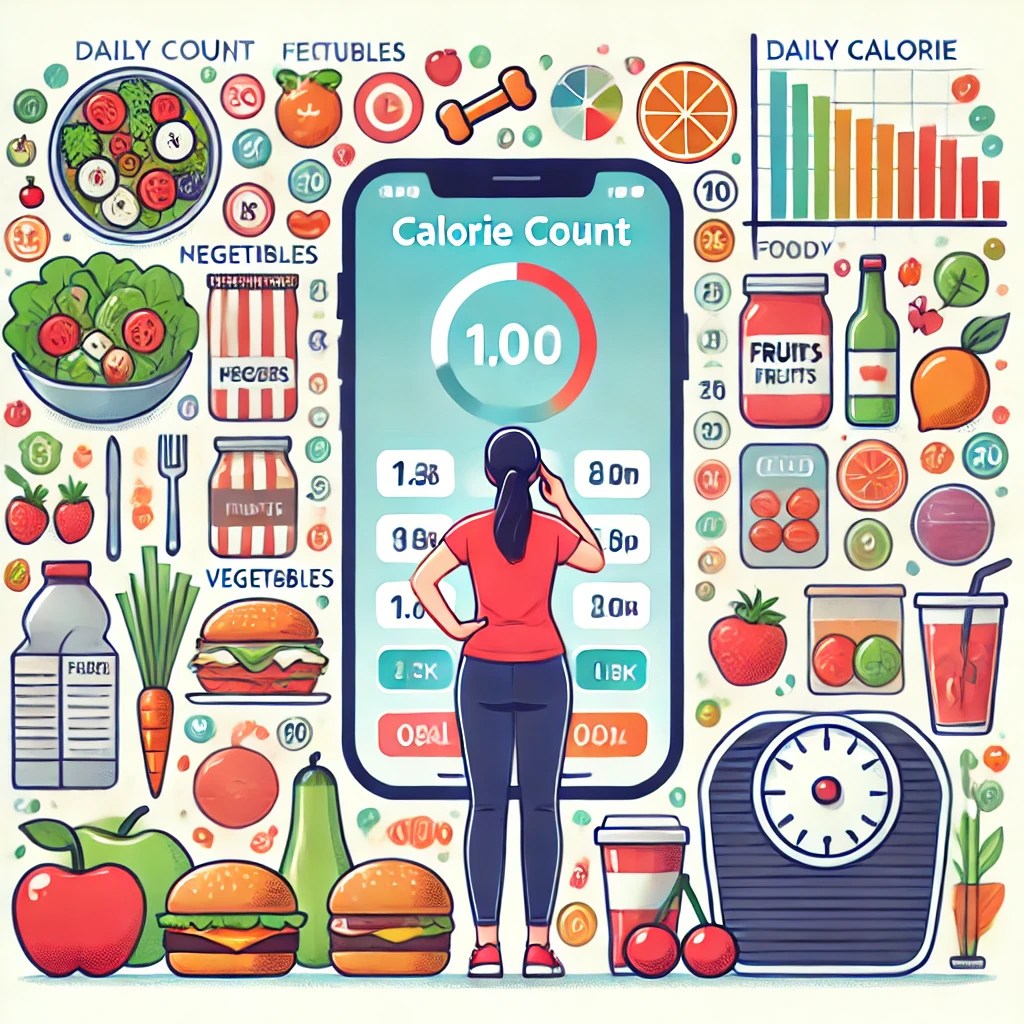












 WEIN
WEIN 