Depression: An Invisible Beginning

Depression begins in silence — often unnoticed by the person themselves or those around them. It is not just passing sadness, but a deep feeling of emptiness and loss of desire for life, as if all the colors around have faded. A person may wake up in the morning with no energy, no clear purpose, and no feeling for the things that once brought them joy.Depression differs from the ordinary distress we all experience; it is a long-term condition that affects thinking, behavior, and even physical health.

Young student guy feels upset and isolated while his friends celebrating party at home

Symptoms of Depression

The symptoms vary from person to person, but they often include:

  • Loss of interest in activities that used to be enjoyable.
  • Sleep disturbances — either insomnia or excessive sleeping.
  • Changes in appetite and weight.Constant fatigue and lack of concentration.
  • Negative thoughts about oneself or life.

In some cases, it may reach the point of thinking about death or suicide — and at this stage, seeking immediate help becomes absolutely necessary.

Treatment Methods

Depression is not a weakness of character; it is an illness that requires treatment like any other disease.The main treatment methods include:

1. Psychotherapy (Cognitive Behavioral Therapy): Helps the person understand and manage negative thoughts.

2. Antidepressant Medications: Prescribed by a psychiatrist after a thorough evaluation of the condition.

3. Social Support: Having someone who listens and cares can make a big difference.

4. Lifestyle Changes: Such as exercising, getting enough sleep, eating healthy, and avoiding isolation.

How Can I Help Myself?

If you feel that you are going through a difficult time, don’t ignore your feelings. Talk to someone you trust, or write down what you feel, and don’t hesitate to seek help from a mental health professional.Give yourself rest, and don’t force yourself to be perfect or constantly positive. Healing is a journey that requires patience and compassion toward yourself.

How Can I Care for a Loved One I Suspect Is Depressed?

Someone close to us may be suffering in silence, and we might not notice. Here’s what you can do:Observe changes: in their sleep, appetite, or overall behavior.Be a listener, not a critic:

Don’t say “Cheer up” or “Others have it worse,” but say “I’m here with you; we’ll face this together.

”Encourage professional help: Suggest seeing a doctor or therapist.

Look for small moments of light: Encourage walks, talking, or stepping out of the cycle of isolation.

And most importantly:

do not delay intervening if you notice any warning signs, as a kind word or support could save a life.

👌Before It’s Too Late

Depression is not the end of the road; it is a silent call for support and compassion. Let us be more aware, closer, and ready to extend our hands to those in need.
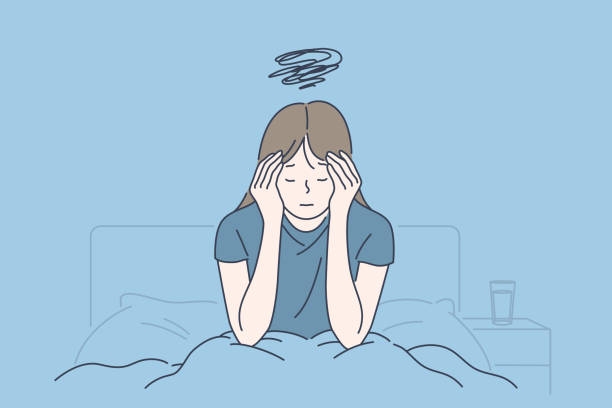
Morning migraine, chronic fatigue and nervous tension, stress or flu symptom, hard to wake up concept. Young woman with strong headache, tired and exhausted girl holding head. Simple flat vector

Thank you for watching.Remember: just one person can make a difference… and that person could be you. 🌸

The Importance of Morning Walks:

Benefits for Body, Mind, and LifestyleIntroduction

Walking is one of the simplest and most effective forms of exercise.

Among the different times of the day, morning walks stand out for their unique benefits.

Starting your day with a brisk walk not only boosts your physical health but also improves your mental well-being and overall productivity. In this article,

we will explore the importance of morning walking, the key health benefits,

and tips to make it a lasting habit

.1. Physical Health Benefits of Morning WalksImproves Heart HealthMorning walks help increase blood circulation, lower bad cholesterol, and reduce the risk of heart disease.

Walking regularly strengthens the heart muscles and improves cardiovascular endurance.

Supports Weight ManagementWalking in the morning boosts metabolism and helps burn calories throughout the day. Combined with a balanced diet, it can be an effective strategy for weight loss and long-term weight management.

Strengthens Muscles and BonesConsistent walking improves muscle tone, strengthens joints, and increases bone density, reducing the risk of osteoporosis and arthritis.

2. Mental Health Benefits of Morning WalksReduces Stress and AnxietyExposure to fresh air and natural sunlight in the morning releases endorphins, the “feel-good hormones,” which reduce stress and anxiety.

Enhances Focus and ProductivityMorning walks clear the mind, improve concentration, and prepare you mentally for the day ahead.

Many people report feeling more energized and motivated after a walk.

Improves Sleep QualityPhysical activity in the morning helps regulate your sleep cycle, making it easier to fall asleep at night and wake up refreshed.

3. Lifestyle Advantages of Morning WalksBoosts Energy Levels:

Walking in the morning jumpstarts your energy for the day.

Encourages Discipline:

Making morning walks a routine builds consistency and healthy lifestyle habits.Connects You with Nature:

Enjoying the calm atmosphere and natural beauty in the morning enhances mindfulness and relaxation.

4. Tips for Building a Morning Walking HabitStart Small – Begin with 10–15 minutes and gradually increase to 30–45 minutes.

Choose Comfortable Shoes – Proper footwear prevents injuries and makes walking enjoyable.

Stay Consistent – Aim for at least 5 days a week to see results.

Walk with a Friend – Having a partner increases motivation.

Set Realistic Goals – Track your steps or distance using a fitness app.

ConclusionA morning walk is more than just a form of exercise—it is a powerful way to improve your physical health, mental well-being, and overall lifestyle. By dedicating a small part of your morning to walking, you invest in a healthier, happier, and more productive life.

Start today, and experience the transformative benefits of making morning walks a daily habit.

Anxiety Uncovered: Simple Steps to Find Calm in Everyday Life”

Understanding Anxiety: Causes and Ways to Manage ItIntroductionAnxiety is a natural human response to stress or uncertainty. It can help us stay alert and prepared for challenges.

However, when anxiety becomes constant and overwhelming, it may interfere with daily life, relationships, and overall well-being.

Understanding its causes and learning effective ways to manage it are important steps toward a healthier mind.

Main Causes of Anxiety1. Biological FactorsGenetics and brain chemistry play a role in developing anxiety.

People with a family history of anxiety disorders are more likely to experience them.

2. Environmental StressorsStressful life events, such as financial problems, job loss, exams, or relationship issues, can trigger or worsen anxiety.

3. Personality TraitsIndividuals who are naturally more sensitive, perfectionistic, or self-critical may be more prone to anxiety.

4. Health ConditionsChronic illnesses, hormonal changes, or even lack of sleep can contribute to high levels of anxiety.Common Symptoms of AnxietyConstant worry and overthinkingDifficulty sleepingRestlessness or irritabilityPhysical symptoms like a racing heart, sweating, or tremblingTrouble focusing or making decisionsHow to Deal With Anxiety

1. Practice Relaxation TechniquesDeep breathing, meditation, and progressive muscle relaxation can calm the nervous system and reduce stress.

2. Stay ActiveRegular physical exercise releases endorphins, which improve mood and help manage anxious thoughts.

3. Maintain a Healthy LifestyleEating balanced meals, limiting caffeine, and ensuring enough sleep are simple yet powerful ways to reduce anxiety.

4. Challenge Negative ThoughtsCognitive reframing—replacing irrational worries with more realistic thoughts—can help break the cycle of anxiety.

5. Seek Social SupportTalking to friends, family, or support groups can ease feelings of isolation and bring comfort.

6. Professional HelpIf anxiety is severe or persistent, therapy or counseling may provide long-term strategies, and in some cases, medication prescribed by a doctor can be helpful.

Daily Practical Tips to Reduce AnxietyMorning Routine: Start your day with 5 minutes of deep breathing or gentle stretching before looking at your phone.Work/Study Breaks: Take short breaks every hour to walk, stretch, or simply close your eyes and breathe.

Journaling: Write down your thoughts in the evening to release worries from your mind before sleep.

Gratitude Practice: Note 3 things you are thankful for each day to shift focus from fear to positivity.

Night Routine: Avoid caffeine late in the day, dim the lights, and read or listen to calming music before bed.

ConclusionAnxiety is common and, at times, a normal part of life.

But when it feels overwhelming, it is important to recognize its causes and symptoms and take steps to manage it. Through healthy habits, relaxation techniques, and daily mindful routines, anxiety can be controlled, allowing individuals to live with more peace and confidence.

A 20-Minute Daily Walk or a Million-Rupee Home Gym? Which Is More Important for Your Heart?

Walking out
Gym


In today’s world, fitness has become a goal for many people, and it is often associated with owning expensive gyms or subscribing to high-end clubs. But does the heart really need advanced equipment and dozens of machines to stay healthy?

Dr. Shailesh Singh, a cardiology consultant, explains that the answer is much simpler: a daily 20-minute walk may actually be more beneficial than any costly home gym.


Benefits of Daily Walking for the Heart

Walking is one of the simplest and safest forms of physical activity. Despite its simplicity, its impact on heart health is deep and long-lasting. Some of its main benefits include:

1. Improving blood circulation: Walking enhances blood flow and reduces the risk of clot formation.


2. Lowering blood pressure: Regular walking helps in reducing high blood pressure.


3. Strengthening the heart muscle: Moderate physical activity boosts the heart’s efficiency and improves blood pumping.


4. Reducing bad cholesterol (LDL) and increasing good cholesterol (HDL).


5. Weight management: Walking burns calories and helps prevent obesity, which is a major risk factor for heart disease.


Walking vs. Gym Equipment

While some may think that modern equipment or expensive home gyms are more effective, Dr. Singh clarifies that consistency is more important than complexity. Many people buy costly equipment but fail to use it regularly, whereas walking only requires a comfortable pair of shoes and a safe path.


Health Doesn’t Need Complication

What makes walking stand out is that it is:

Free and simple: It requires no special equipment.

Accessible to everyone: It can be done anywhere, anytime.

Safe: Suitable for almost all ages and health conditions, unlike intense workouts that may be risky for some.


Doctor’s Advice

Dr. Shailesh Singh emphasizes that a 20-minute daily walk is better than owning a home gym worth 10 lakh rupees without commitment. Fitness is not about material luxury, but about a simple daily habit that can prolong life and protect the heart.


✨ Conclusion: For a strong heart, you don’t need much more than daily steps. A short morning or evening walk could be the real investment in your health and life — far more valuable than any expensive gym equipment.

The Calorie Deficit Diet: Benefits and Risks


A calorie deficit diet is one of the most common and effective approaches to weight loss. It is based on the principle of consuming fewer calories than the body burns, which forces the body to use stored fat as an energy source. While this method can be highly beneficial for achieving a healthier weight, it also carries potential risks if not followed properly.

Benefits of a Calorie Deficit Diet

1. Weight Loss
The most direct benefit of a calorie deficit is gradual and sustainable weight loss. When the body consistently burns more calories than it consumes, fat stores are reduced over time.


2. Improved Metabolic Health
Maintaining a healthy weight lowers the risk of metabolic disorders such as type 2 diabetes, high blood pressure, and high cholesterol.


3. Better Mobility and Energy
Losing excess weight can improve mobility, reduce joint pain, and enhance daily energy levels, making physical activities easier and more enjoyable.


4. Positive Impact on Mental Health
Achieving weight loss goals often boosts self-esteem and confidence, contributing to better emotional well-being.


Risks and Drawbacks of a Calorie Deficit Diet

1. Nutrient Deficiencies
Consuming fewer calories may lead to inadequate intake of essential nutrients such as vitamins, minerals, and protein if the diet is not well-balanced.


2. Loss of Muscle Mass
A severe calorie deficit may cause the body to break down muscle for energy, especially if protein intake is insufficient.


3. Slowed Metabolism
Drastically cutting calories can reduce metabolic rate, making it harder to lose weight and easier to regain it later.


4. Negative Impact on Mental Health
Extreme restrictions can lead to fatigue, irritability, and even disordered eating patterns, such as binge eating or obsession with food.


Conclusion

The calorie deficit diet is an effective tool for weight loss and overall health improvement when practiced carefully and mindfully. To avoid risks, it is important to create a moderate deficit, focus on nutrient-dense foods, and combine the diet with regular physical activity. Consulting a nutritionist or healthcare professional can help ensure that weight loss is safe, balanced, and sustainable.

The Power of Balanced Nutrition: A Foundation for Lifelong Health

In today’s fast-paced world, it is easy to fall into the trap of convenience foods, quick snacks, and irregular eating habits. While these choices may save time, they often come at the expense of long-term health. The truth is simple: balanced nutrition is not just about dieting—it’s about fueling your body with the right nutrients to thrive physically, mentally, and emotionally.

1. What Does “Balanced Nutrition” Really Mean?

Balanced nutrition means consuming a variety of foods in the right proportions to provide your body with essential nutrients—carbohydrates, proteins, fats, vitamins, and minerals. It is not about strict restrictions or eliminating entire food groups but about creating harmony on your plate. A healthy, balanced diet includes:

  • Fruits and vegetables: Packed with vitamins, fiber, and antioxidants.
  • Whole grains: A steady source of energy and fiber for digestive health.
  • Lean proteins: Essential for muscle repair, growth, and hormone balance.
  • Healthy fats: From sources like olive oil, nuts, and avocados to support brain and heart health.
  • Plenty of water: To keep the body hydrated and functioning efficiently.

2. Why Balanced Nutrition Matters

Boosts Energy Levels

Food is fuel, and the quality of your fuel determines your energy. A balanced diet helps maintain stable blood sugar, preventing the mid-afternoon crashes caused by processed foods.

Supports Mental Health

Research shows that diets rich in fruits, vegetables, and omega-3 fatty acids can reduce symptoms of depression and anxiety. What you eat directly impacts your mood and cognitive function.

Prevents Chronic Diseases

Balanced nutrition lowers the risk of heart disease, diabetes, obesity, and certain cancers. Whole foods, rich in fiber and antioxidants, protect your cells and support long-term health.

Strengthens Immunity

Vitamins and minerals like vitamin C, zinc, and iron boost your immune system, making you more resilient against infections and illness.

3. Common Myths About Eating Healthy

  • “Healthy eating is expensive.” In reality, seasonal fruits, vegetables, beans, and whole grains are affordable and nutrient-rich.
  • “I need to cut out all carbs.” The body needs healthy carbs like oats, quinoa, and brown rice for energy—it’s the refined carbs that should be limited.
  • “Fat makes you fat.” Healthy fats are crucial for brain function, hormones, and even weight management when eaten in moderation.

4. Simple Tips to Build a Balanced Diet

  • Follow the “plate method”: Fill half your plate with vegetables and fruits, one-quarter with lean protein, and one-quarter with whole grains.
  • Plan your meals ahead to avoid unhealthy last-minute choices.
  • Snack smart with nuts, fruit, or yogurt instead of chips or sweets.
  • Stay hydrated, since thirst is often mistaken for hunger.
  • Practice moderation—enjoy your favorite treats occasionally without guilt.

5. Balanced Nutrition and Lifestyle

Nutrition does not exist in isolation. Pairing a balanced diet with regular physical activity, quality sleep, and stress management creates the foundation for holistic health. Small, consistent choices build long-lasting habits that shape not only your body but also your overall well-being.

Final Word

Balanced nutrition is not a short-term fix—it is a lifelong investment in your health. By choosing whole, nutrient-dense foods and practicing moderation, you give your body the tools it needs to perform, heal, and flourish. Remember: it’s not about being perfect, but about making better choices every day.

Your body is your home. Nourish it wisely.

The Hidden Power of Hydration: Why Drinking Enough Water Matters

Water is often called the “elixir of life,” and for good reason. Every cell, tissue, and organ in your body depends on water to function properly. Yet, many people underestimate the importance of staying hydrated, often replacing water with coffee, soft drinks, or energy beverages. The truth is simple: drinking enough water every day is one of the easiest and most powerful ways to improve your health.

1. Boosts Energy and Fights Fatigue

Dehydration is one of the most common causes of fatigue. When your body lacks water, your blood circulation slows, and your brain receives less oxygen. This leads to feelings of tiredness and lack of focus. By drinking enough water, you support your metabolism, keep your muscles energized, and maintain steady energy levels throughout the day.

2. Improves Brain Function

Even mild dehydration can impair concentration, memory, and mood. Research shows that losing as little as 1–2% of body water can affect cognitive performance. Staying hydrated helps your brain stay sharp, enhances decision-making, and reduces the risk of headaches caused by dehydration.

3. Supports Weight Management

Water is a natural appetite suppressant. Drinking a glass of water before meals can help you feel fuller, reducing the urge to overeat. Additionally, replacing sugary drinks with water significantly lowers calorie intake. For those aiming to lose or maintain weight, hydration is a simple but powerful tool.

4. Promotes Healthy Skin

Hydration is essential for maintaining skin elasticity and reducing dryness. While water won’t erase wrinkles overnight, consistent hydration improves the skin’s overall appearance and helps it stay plump and radiant. Combined with a balanced diet, water is a natural beauty enhancer from the inside out.

5. Regulates Body Temperature and Digestion

Your body uses water to regulate temperature through sweating and breathing. It also plays a vital role in digestion, helping break down food and absorb nutrients. Without enough water, you may experience constipation, bloating, or discomfort. Staying hydrated ensures your digestive system runs smoothly.

How Much Water Do You Really Need?

The classic recommendation is about 8 cups (2 liters) per day, but your exact needs depend on your age, weight, climate, and activity level. Athletes, for example, require more water to replace fluids lost through sweat. Listening to your body—such as drinking when thirsty and paying attention to urine color (light yellow is ideal)—is a practical guide to staying properly hydrated.

Practical Tips for Staying Hydrated

  • Start your day with a glass of water before coffee or breakfast
  • Carry a reusable water bottle wherever you go
  • Flavor your water with lemon, mint, or cucumber for variety
  • Eat water-rich foods like cucumbers, watermelon, and oranges
  • Set phone reminders if you often forget to drink

Final Thought

Water may be simple, but it is essential. By making hydration a daily priority, you can improve your energy, protect your health, and feel better inside and out. Next time you reach for a sugary drink or a third cup of coffee, consider reaching for water instead. Your body—and your future self—will thank you.

Why Morning Exercise Matters – Even in Small Doses

In the rush of modern life, many people struggle to find time for exercise. Between work, family, and daily responsibilities, long workouts often feel impossible to fit into the schedule. Yet, research and health experts agree on one simple truth: even a little bit of movement in the morning can transform your day.

Morning exercise doesn’t have to mean an intense gym session or running miles before sunrise. Sometimes, just ten minutes of stretching, yoga, or a brisk walk can have remarkable effects on both body and mind. Let’s explore why this small habit holds such powerful benefits.

1. A Natural Energy Boost

When you wake up, your body is often stiff, your circulation is slower, and your brain may feel foggy. Moving your body in the morning stimulates blood flow, increases oxygen delivery, and kickstarts your metabolism. Studies have shown that just 10–15 minutes of light exercise can improve alertness more effectively than a cup of coffee. Instead of dragging yourself into the day, you begin with energy and vitality.

2. Sharper Mind, Clearer Focus

One of the most overlooked benefits of morning exercise is its effect on the brain. Physical activity stimulates the release of endorphins and neurotransmitters like dopamine and serotonin. These chemicals improve mood, reduce stress, and sharpen focus. Imagine starting your workday not with stress and fatigue, but with clarity, calmness, and motivation. Even a short yoga flow or a few deep-breathing stretches can help you enter the day with a clear mind.

3. Building a Consistent Habit

Health experts emphasize consistency as the key to long-term fitness. When you schedule your workout in the morning, you are less likely to skip it later due to unexpected meetings, family commitments, or simple exhaustion. Morning exercise creates structure in your routine and builds discipline. Over time, it becomes less of a task and more of a natural part of your lifestyle—just like brushing your teeth.

4. Stronger Body, Better Health

While short workouts may seem insignificant, they can still improve physical health in meaningful ways. Gentle morning exercise:

  • Activates your muscles after hours of rest
  • Supports cardiovascular health by gradually increasing heart rate
  • Improves flexibility and reduces the risk of injury
  • Helps maintain a healthy weight when practiced consistently

In fact, researchers from the American Heart Association suggest that even small bursts of physical activity throughout the day contribute to better heart health and longevity.

5. A Positive Start for Your Mood

The way you begin your day often sets the emotional tone for the rest of it. Starting with exercise gives you a sense of accomplishment before the day has even begun. This can lift your mood, build confidence, and encourage you to make healthier choices—whether it’s drinking more water, eating a balanced breakfast, or staying active later in the day.

Simple Ideas for Morning Exercise

If you’re new to this habit, start small. Here are some easy, effective options you can try tomorrow morning:

  • 5 minutes of stretching to release stiffness from sleep
  • A brisk 10-minute walk to get your blood flowing
  • Bodyweight exercises like squats, lunges, and push-ups
  • Gentle yoga or Pilates to improve flexibility and calm your mind
  • Breathing exercises to boost oxygen intake and reduce stress

Remember, the goal is not perfection—it’s consistency.

Final Word

Morning exercise is not about how long or how intense your workout is. It’s about showing up for yourself, even if only for a few minutes. Over time, those small moments of movement can accumulate into stronger health, sharper focus, and a brighter mood.

So tomorrow, before you check your phone or pour your coffee, try a few stretches or a quick walk. You’ll be amazed at how such a simple act can reshape your day—and, eventually, your life.

Starving for Survival: A Man’s Diary on the Brink of Death

(When Hunger Becomes the Slowest Killer)

Diary of Hunger: Weeks on the Edge of Life

This is not a fictional story—it is a real reflection of what some people endure when food disappears from their lives. Adam was one of them… and these are his pages.

Day One

I woke to the sound of my stomach screaming. I drank a cold glass of water, trying to trick it. I went out looking for work, but the streets were as cold as people’s hearts. I passed by a bakery—the smell of fresh bread pierced my chest. I wished for just a single bite. I returned empty-handed. I slept hugging my pillow to my stomach… as if it were food.

Day Two

A heavy headache weighed down my head. The room was empty except for a half-filled bottle of water. I drank it, but the emptiness remained. I felt a strange chill, even though the sun was bright outside.

Day Three

My steps were heavy, as if I were dragging the world behind me. I stood in front of a restaurant, watching people eat, the smells pouring into my nose like slow torture. Hunger was no longer just a feeling—it had become an obsession filling my mind.

Day Four

My legs trembled, and my stomach was silent, as if it had surrendered. I drank water, but nausea hit me. I began to smell food that wasn’t there—perhaps my mind was starting to invent it.

Day Six

My reflection in the mirror was a stranger—sharp bones, hollow eyes. Sleep came in short bursts, and I woke each time with a mouth dry as the desert.

Week Two

The sensation of hunger had dulled, but my body was collapsing. My balance faltered, and my memory slipped away. Every movement felt like lifting a mountain.

Week Three

I felt as though I was no longer here. My heartbeat slowed, my blood pressure dropped. My mind was foggy, and sometimes I saw people in the room—then they vanished. I knew hunger was drawing near to its end… and mine.

Medical Appendix: What Happens to Your Body During Prolonged Hunger

Stage One (First Two Days)

  • The body uses stored glucose for energy.
  • Symptoms: headache, weakness, difficulty concentrating, intense hunger.

Stage Two (Day Three to End of Week One)

  • The body starts breaking down fat for energy.
  • Symptoms: noticeable weight loss, feeling cold, dizziness, dry mouth.

Stage Three (Week Two to Week Three)

  • The body begins breaking down muscle tissue.
  • Symptoms: extreme weakness, reduced immunity, mental confusion, hallucinations.

Stage Four (Critical Stage)

  • Dangerous drop in blood pressure and heart rate.
  • Risks: coma, cardiac arrest, or death.

Conclusion

Prolonged hunger is not an empty stomach—it’s a slow destruction of both body and mind. It starts by depleting stored energy, then fat, then muscle, until it reaches vital organs.

Surviving for weeks without food, even with water, can end in death.

Design a site like this with WordPress.com
Get started