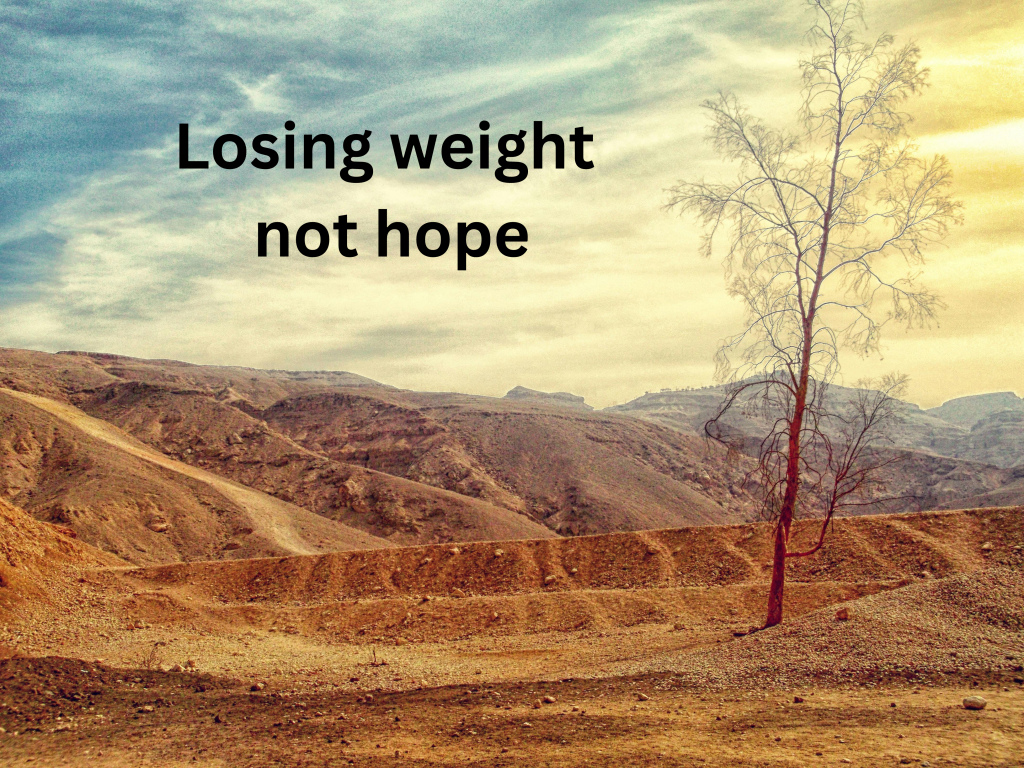
The Truth About Weight Loss: Why Diet Matters More Than Exercise

  • It’s common for people to assume that increasing their walking will result in fat loss.
  • Research indicates that weight loss doesn’t always correlate directly with how much energy is burned.
  • Limiting calorie intake is the sole scientifically backed dietary approach proven to lower body weight.

There was a time when we believed that if we exercised with the goal of burning 100 calories, we would indeed burn all 100. However, a new study suggests otherwise. In reality, you’re likely to burn about 25 calories less than expected. While that might seem like a small difference, consider this: what if you consumed 25% fewer calories every day? Numerous scientific studies have consistently shown that reducing your daily calorie intake by 25% will significantly improve your health, far more effectively than exercise alone. This new study, therefore, provides crucial insights that should shape our expectations about exercise and its impact on overall health.

The researchers calculated the energy spent on exercise and other activities like standing, sitting, and walking by subtracting the basal energy expenditure from the total energy burned. As anticipated, more movement did lead to higher energy expenditure. However, the data revealed an unexpected result. Despite increased activity, participants burned fewer total calories than expected. On average, subjects burned only around 72 percent of the additional calories predicted for their activity levels. This compensatory effect was even more pronounced in obese adults, whose bodies reduced the actual calories burned through exercise by 50 percent or more.

Top On Sale Product Recommendations!;Pokemon 3D Crystal Ball Pikachu Gengar Mew Mewtwo Figurines Lamp Base Pokeball 3D Pokemon Glass Ball Statue Kids Birthday Gift;Original price: USD 8.85;Now price: USD 8.85;Click&Buy: https://s.click.aliexpress.com/e/_mOt8sXK
The findings of this study, along with those from numerous similar studies, help explain why most people lose less weight through exercise than expected for the effort they put in. Our bodies have evolved complex compensatory mechanisms to balance the energy needed for muscle contraction with the energy required for other vital biological functions. According to this new study, the body automatically compensates—though with individual variations—during exercise, conserving at least a quarter of the calories we might anticipate burning.

Scientists have long speculated that energy expenditure is not a straightforward process. Research has shown that increased activity does not always translate to higher daily calorie burn. Understanding this biochemical compensation is crucial, as this evolutionary trait has become maladaptive for modern humans who struggle to burn off extra calories through exercise. Data from numerous controlled trials show that the effectiveness of exercise for weight maintenance remains inconclusive.

In a recent study, researchers analyzed data from 1,754 adults who consumed doubly labeled water (which contains isotopes to measure daily calorie burn). The study also tracked their body composition and basal energy expenditure—the number of calories burned simply to sustain life functions.

So, what’s the best way to lose belly fat? The trainer from the hit NBC show The Biggest Loser once believed that simply exercising more was the solution to weight loss. However, after years of working with individuals struggling with severe obesity, Bob Harper came to realize that exercise alone isn’t the answer; the most critical factor is your diet.

Harper isn’t just helping his clients feel better and reach their personal goals; he’s also guiding them toward longer, healthier lives. Many of his clients became obese due to consuming too many calories. If you visit any gym or spa, you’ll notice that many people exercising still carry a significant amount of body fat, even as their muscles grow larger and stronger.

Excess body fat speeds up the aging process and raises our risk of death due to the inflammation caused by fat cells. In a recent study, researchers examined whether diet or exercise was more effective in reducing inflammation levels in overweight or obese women. After 12 months, the results showed that only dieting, not exercise, led to the greatest weight loss and the most substantial drop in inflammatory protein levels.

The overwhelming evidence supports that calorie restriction is the only scientifically proven dietary method to reduce body weight, slow aging, and enhance mental health. Additionally, it’s more cost-effective—you’ll save money by eating less and spending less on workout gear, shoes, and gym memberships.


The weight that has puzzled mankind.

Your weight is your eternal fear. It seems that 70% of us are either trying to lose or gain weight, while the rest are just trying to maintain it. It’s a long journey that varies from person to person, depending on what they aim for. But the goal remains the same: reaching that desired target.

So, whether you’re trying to lose, gain, or maintain your weight, this article is a must-read.

First, let’s talk about how we got into this complex maze called dieting. In 1864, our friend William Banting decided to write a “Letter on Corpulence”—a significant piece that started the conversation around dieting.

(((Dear obesity, damn you!)))

okay no no im just kidding

The letter was an entire book about his success in replacing potatoes, sugar, and bread with vegetables and meat. But the quote that caught my attention is…

“Of all the parasites that afflict humanity, I neither know nor can imagine anything more sorrowful than obesity.”

These words eased my naivety in writing this article and brought me back to its core. William, or others like him, somehow introduced the concept of achieving the desired body shape into our lives.

My goal with this article is to highlight the importance of reaching an ideal weight. It’s not just about outward appearance, but many diseases related to being overweight or excessively underweight can pose serious risks to our lives. As you read this article, you might not be suffering from any weight-related diseases, but are you sure you won’t face them in the future?

Well, if you’re sure, I would love for you to share your diet plan with us in the comments! Haha, just a final joke—no harm in that.

First, why is our appearance so important?

Dear reader, our appearance is the first quick impression others get of us.

Now, imagine that you went to a hospital and met a nurse responsible for drawing blood samples, and another nurse responsible for measuring blood pressure. The first nurse suffers from obesity, while the second is extremely thin. Both are wearing the same uniform. What questions and thoughts would run through your mind as they perform their duties?

This example highlights the core idea of the importance of our outward appearance. You don’t know anything about a nurse who will take your blood sample and then disappear, never to be seen again.

These thoughts in my head are the same ones that would make me lose confidence in myself if I struggled with these issues. And that is the primary, surface-level reason I would think about achieving the desired body shape—confidence, self-confidence.

But the more important issue here is my health and the impact my body’s health has on my life.

Will my weight pose a risk to my life?

“Sugar causes high blood pressure, heart diseases, liver diseases, and other diseases. Obesity is linked to all of these. There are fears of serious diseases that threaten life and will make it more difficult in the long run. Ask anyone suffering from obesity how they feel when they climb the stairs. Anemia, weak immune system, fatigue and constant tiredness, menstrual problems, stomach ulcers, and other names are linked to weight loss. Some of these are serious, while others make everyday routine tasks difficult. I imagine now that you understand my point in this article. We must all aim for the goal, yes, the ideal weight.”

“Now I want you to swear to yourself to start working hard from this minute to reach your normal weight, which will be a wall between you and many diseases.”

If you live in an Arab country and are looking for work, this article is for you.


But I’m sure you’ve heard of the Khamsat platform, owned by Hassoub company. It’s no surprise that the largest Arabic marketplace for buying and selling microservices dominates the search results every time you look for freelance work or purchase services online, whether you have a business or are looking to buy individually.

So how does Khamsat work, and what are the reasons that make it trusted by millions of buyers and sellers in the Arab world?

How does Khamsat work?

Let’s start with Khamsat for freelancers. Khamsat allows you to offer your services in a wide range of fields such as translation, design, writing, programming, and much more, making it almost comprehensive. Your service’s starting price is basically $5, which is where the platform gets its name “Khamsat” (meaning “fives” in Arabic). The idea is to exchange services and benefits for just $5. However, you can increase the price depending on the client’s requirements or by adding extra features to the basic service.

On the other hand, if you are a business owner or a company seeking quick solutions that meet your business needs at affordable prices, with high quality and reliability, Khamsat offers you a wide range of sellers with competitive pricing.

How to start working on Khamsat:

  1. Create a free account and specify whether you’re a buyer or a seller.
  2. If you are looking for a particular service, browse through thousands of services with ease.
  3. Request the service from a freelancer.
  4. The freelancer will complete the service according to the agreed timeline.
  5. After the work is delivered, $5 is transferred to the freelancer’s account after deducting a $1 commission.
  6. If you are a seller, you need to click on the “Create Service” button and describe what you can offer in your service, keeping in mind the platform’s terms. You can also attach samples of your work like images or videos, and finally, set an appropriate price for your service.

Some tips for working as a freelancer on Khamsat:

  1. Write a clear and concise description of the service, highlighting the benefits the client will receive.
  2. Maintaining a high level of customer satisfaction will help you gain positive reviews, which in turn increases your chances of selling more services.
  3. Quick responses to client inquiries can set you apart from competitors and increase the chances of closing deals.
  4. The quality of the delivered work is the main factor that ensures clients return and request more services.

Why Khamsat?

Khamsat has an active community of freelancers with diverse skills, allowing buyers to access multiple options and select the best freelancers to complete their projects.

The platform has simple pricing, where the price starts at $5 for basic services. This allows small businesses and individuals to benefit from services without needing a large budget.

Khamsat also has a reliable review system where buyers can leave ratings and feedback on the quality of services they received, helping other users make informed decisions.

Khamsat handles the payment process securely. Funds are not transferred to the freelancer until the service is satisfactorily delivered, ensuring the rights of both parties.

Whether you’re looking for logo design, content writing, or app development, Khamsat offers multiple options covering all digital fields.

Some tips to get the most out of Khamsat:

Although Khamsat provides a great platform for freelancers and buyers, there are some challenges freelancers may face:

  • Since the platform includes thousands of freelancers, competition for clients can be tough, especially for beginners.
  • The platform takes a 20% commission on every service, which some may consider relatively high.
  • Freelancers might encounter clients who demand continuous revisions or misuse the terms.

Conclusion:

In the end, buyer requests may not flood in immediately.


Let me know if you need any revisions or further help!

Top Destinations to Visit: Unforgettable Places for Your Next Adventure

Traveling is one of the most enriching experiences a person can have. It offers a break from daily routines, introduces you to new cultures, and lets you witness the beauty of different landscapes. Whether you’re seeking a peaceful retreat, a thrilling adventure, or an educational journey, the world is filled with incredible places waiting to be explored. Here’s a list of some of the best destinations to consider for your next trip.

1. Kyoto, Japan

Best for: History, Culture, Tranquility

Kyoto is often regarded as the cultural heart of Japan. This city, known for its beautiful temples, traditional wooden houses, and stunning gardens, is a perfect blend of ancient history and modern charm. Kyoto’s serene atmosphere makes it an ideal destination for those looking to immerse themselves in Japan’s heritage. Top attractions include the Fushimi Inari Shrine with its famous red torii gates, the stunning Kinkaku-ji (Golden Pavilion), and the beautiful Arashiyama Bamboo Grove.

To experience the cultural essence of Kyoto, visit during the cherry blossom season (March to April) when the entire city is painted in shades of pink. Don’t forget to attend a traditional tea ceremony and explore the city’s peaceful Zen gardens.

2. Santorini, Greece

Best for: Romantic Escapes, Sunsets, Island Life

Santorini is a dream destination for couples, famous for its white-washed buildings, blue-domed churches, and breathtaking sunsets. The island offers stunning views of the Aegean Sea, making it one of the most picturesque places in the world. Visitors can wander through the narrow streets of Oia, lounge on the unique black sand beaches, and savor fresh Mediterranean cuisine in local tavernas.

Whether you’re enjoying a romantic dinner overlooking the caldera or taking a boat tour to explore nearby volcanic islands, Santorini is perfect for travelers looking to relax and soak up the beauty of the Mediterranean.

3. Machu Picchu, Peru

Best for: Adventure, History, Nature

Nestled high in the Andes Mountains, Machu Picchu is one of the world’s most iconic archaeological sites. This ancient Incan city is a UNESCO World Heritage Site and offers a glimpse into the fascinating history of the Inca civilization. Whether you choose to hike the famous Inca Trail or take a scenic train ride to the site, reaching Machu Picchu is an unforgettable experience.

Beyond the ruins, the surrounding landscape of lush green mountains and misty valleys makes the journey even more awe-inspiring. For adventurers and history enthusiasts, Machu Picchu is an absolute must-see.

4. Paris, France

Best for: Art, Fashion, Romance

Known as the “City of Light,” Paris is a city that has inspired poets, artists, and lovers for centuries. From the iconic Eiffel Tower to the world-renowned art collection at the Louvre Museum, Paris is filled with cultural landmarks and artistic treasures. Take a leisurely stroll along the Seine River, visit the charming neighborhood of Montmartre, or enjoy a croissant at a sidewalk café while watching the world go by.

Beyond the well-known tourist spots, Paris offers a wealth of hidden gems, such as local markets, quaint boutiques, and peaceful parks. Whether you’re a lover of art, fashion, or history, Paris offers endless possibilities for exploration.

5. Banff National Park, Canada

Best for: Nature, Outdoor Adventure, Wildlife

For travelers who love the great outdoors, Banff National Park in Alberta, Canada, is a paradise. With its crystal-clear lakes, towering mountains, and lush forests, Banff offers some of the most breathtaking scenery in North America. Visitors can hike along scenic trails, kayak on the turquoise waters of Lake Louise, or relax in the soothing Banff Upper Hot Springs.

Banff is also home to abundant wildlife, including bears, elk, and mountain goats, making it a great destination for nature enthusiasts. Whether you’re skiing in the winter or exploring the national park’s stunning landscapes in the summer, Banff is a destination for outdoor lovers year-round.

6. Dubai, United Arab Emirates

Best for: Luxury, Modern Architecture, Shopping

Dubai is a city that blends futuristic innovation with rich tradition. Known for its towering skyscrapers, luxurious hotels, and expansive shopping malls, Dubai is a destination that caters to travelers seeking extravagance and modern experiences. The Burj Khalifa, the tallest building in the world, offers breathtaking views of the city, while the Palm Jumeirah is a man-made island shaped like a palm tree, lined with opulent resorts and beach clubs.

Beyond its modern appeal, Dubai also offers cultural experiences like visiting the traditional souks (markets) or taking a desert safari to explore the Arabian sand dunes. With its diverse attractions, Dubai is perfect for travelers looking for a mix of excitement and relaxation.

7. Bali, Indonesia

Best for: Beach Lovers, Wellness, Culture

Bali, often called the “Island of the Gods,” is a tropical paradise that has something for everyone. Whether you’re looking for stunning beaches, vibrant nightlife, or peaceful retreats, Bali delivers. The island is home to some of the best surf spots in the world, as well as tranquil rice terraces and ancient temples.

For those seeking relaxation and wellness, Bali’s many yoga retreats and spas offer the perfect escape from the hustle and bustle of everyday life. Whether you’re exploring the cultural hub of Ubud, relaxing on the beaches of Seminyak, or hiking to the top of Mount Batur for a sunrise view, Bali is an island that promises beauty and adventure.

8. Cappadocia, Turkey

Best for: Unique Landscapes, History, Adventure

Cappadocia, located in central Turkey, is famous for its otherworldly landscapes, featuring towering rock formations, ancient cave dwellings, and underground cities. One of the most popular activities in Cappadocia is taking a hot air balloon ride at sunrise, offering a bird’s-eye view of the stunning landscapes below.

Visitors can explore the region’s rich history by visiting ancient monasteries and churches carved into the rocks or hiking through the scenic valleys. Cappadocia is a destination for those seeking a unique and unforgettable experience.

9. Rome, Italy

Best for: History, Architecture, Cuisine

Rome is a city where ancient history comes to life at every turn. From the grandeur of the Colosseum to the beauty of the Vatican, Rome is home to some of the world’s most important historical and religious landmarks. Strolling through the cobbled streets of Rome feels like walking through a living museum, with awe-inspiring sights like the Pantheon, the Roman Forum, and the Trevi Fountain.

Rome also offers incredible cuisine, from authentic pasta dishes to fresh gelato. After a day of sightseeing, enjoy a leisurely meal at a local trattoria and experience the flavors of traditional Italian cooking. For history buffs and food lovers alike, Rome is a destination that never disappoints.

10. Queenstown, New Zealand

Best for: Adventure, Scenery, Thrills

Queenstown is known as the adventure capital of New Zealand, offering adrenaline-pumping activities like bungee jumping, skydiving, and jet boating. Surrounded by stunning mountain ranges and crystal-clear lakes, Queenstown is also a haven for outdoor enthusiasts. Hikers can explore the scenic trails of nearby Fiordland National Park, while winter visitors can hit the slopes at one of the area’s ski resorts.

Despite its reputation for adventure, Queenstown also offers plenty of relaxation opportunities, including world-class wineries, scenic cruises on Lake Wakatipu, and luxurious spas. It’s a perfect destination for travelers seeking both thrills and tranquility.


Conclusion

Whether you’re looking for history, adventure, culture, or relaxation, the world is full of incredible destinations waiting to be explored. From the ancient ruins of Machu Picchu to the modern marvels of Dubai, each place on this list offers something unique for every type of traveler. So pack your bags and embark on a journey to one of these unforgettable destinations for a trip of a lifetime.

Top Best Movies to Watch on Weekends

There’s nothing quite like curling up on the couch on a lazy weekend, armed with snacks, and diving into a good movie. Whether you’re in the mood for laughter, tears, thrills, or all of the above, the right film can make your weekend one to remember. With countless options available across genres, it can sometimes be overwhelming to choose the perfect movie. To make your decision easier, we’ve compiled a list of some of the top best movies to watch on weekends.

1. The Shawshank Redemption (1994)

Genre: Drama
Director: Frank Darabont
Starring: Tim Robbins, Morgan Freeman

One of the highest-rated films of all time, The Shawshank Redemption is a timeless tale of hope, resilience, and friendship. Based on a Stephen King novella, the film follows Andy Dufresne, a man wrongfully convicted of murder, as he forms a friendship with fellow inmate Red while plotting his escape from Shawshank prison. This film is perfect for those looking to be deeply moved and inspired. Its themes of perseverance against the odds make it a gripping watch that will leave you reflecting long after the credits roll.

2. The Godfather (1972)

Genre: Crime, Drama
Director: Francis Ford Coppola
Starring: Marlon Brando, Al Pacino, James Caan

Widely regarded as one of the greatest films in cinema history, The Godfather is a must-watch for movie buffs. This mafia epic tells the story of the powerful Corleone family and their rise and fall in organized crime. The film’s themes of loyalty, betrayal, and the complexities of family dynamics are masterfully explored, and its iconic performances by Marlon Brando and Al Pacino make it a compelling watch. If you’re in the mood for a deep, thought-provoking film that will immerse you in a world of power and corruption, The Godfather is a perfect choice.

3. Inception (2010)

Genre: Sci-Fi, Thriller
Director: Christopher Nolan
Starring: Leonardo DiCaprio, Joseph Gordon-Levitt, Ellen Page

For those who enjoy mind-bending thrillers, Inception is an excellent choice. Directed by Christopher Nolan, the movie revolves around the concept of dream manipulation, where skilled individuals can enter other people’s dreams to steal or plant ideas. With its innovative plot and stunning visual effects, Inception challenges the audience to question reality itself. If you’re looking for a film that will keep you on the edge of your seat and leave you pondering its twists long after the credits roll, Inception is a fantastic option for a weekend watch.

4. Forrest Gump (1994)

Genre: Drama, Romance
Director: Robert Zemeckis
Starring: Tom Hanks, Robin Wright, Gary Sinise

Forrest Gump is a heartwarming tale of a man with a low IQ but an immense heart who somehow manages to find himself at the center of some of the most iconic moments in American history. Tom Hanks delivers an unforgettable performance in the lead role, making you laugh, cry, and cheer for Forrest as he navigates life’s ups and downs. The film is perfect for those in search of an emotional journey that blends comedy, drama, and history into a beautifully crafted narrative.

5. The Dark Knight (2008)

Genre: Action, Crime, Drama
Director: Christopher Nolan
Starring: Christian Bale, Heath Ledger, Aaron Eckhart

Christopher Nolan’s The Dark Knight is widely considered one of the best superhero films ever made. This second installment in Nolan’s Batman trilogy dives deep into the psychology of both the hero, Batman, and the villain, the Joker. Heath Ledger’s portrayal of the Joker is chilling and unforgettable, earning him a posthumous Academy Award. The film’s action-packed sequences, coupled with its darker themes of morality and justice, make The Dark Knight an exhilarating weekend watch for those seeking both thrills and substance.

6. Parasite (2019)

Genre: Thriller, Drama
Director: Bong Joon-ho
Starring: Kang-ho Song, Sun-kyun Lee, Yeo-jeong Jo

Parasite made history in 2019 as the first non-English language film to win the Academy Award for Best Picture. This South Korean thriller is a brilliantly crafted tale of class disparity, focusing on two families—one wealthy and one impoverished—and the intricate relationship they form. Bong Joon-ho’s direction and the film’s sharp social commentary make it a gripping and unsettling experience. If you’re in the mood for a film that keeps you guessing and packs a powerful punch, Parasite is a must-watch.

7. The Grand Budapest Hotel (2014)

Genre: Comedy, Drama
Director: Wes Anderson
Starring: Ralph Fiennes, F. Murray Abraham, Adrien Brody

Wes Anderson’s The Grand Budapest Hotel is a visual feast, filled with quirky characters, whimsical storytelling, and stunning cinematography. The film follows the adventures of Gustave H, a concierge at a famous European hotel, and his loyal lobby boy as they become embroiled in a mystery involving a stolen painting and a family fortune. The film’s distinctive style and offbeat humor make it a delightful weekend watch for those in the mood for something lighthearted yet sophisticated.

8. Pulp Fiction (1994)

Genre: Crime, Drama
Director: Quentin Tarantino
Starring: John Travolta, Uma Thurman, Samuel L. Jackson

Quentin Tarantino’s Pulp Fiction is a cult classic that revolutionized the crime genre with its non-linear storytelling, sharp dialogue, and unforgettable characters. The film weaves together several interlocking stories of crime and redemption, featuring hitmen, boxers, and petty criminals in a gritty yet stylized version of Los Angeles. If you’re a fan of Tarantino’s signature blend of violence and dark humor, Pulp Fiction is a perfect pick for an exciting weekend watch.

9. La La Land (2016)

Genre: Musical, Romance
Director: Damien Chazelle
Starring: Ryan Gosling, Emma Stone

For those in the mood for something romantic and uplifting, La La Land is a must-see. This modern musical set in Los Angeles tells the story of two struggling artists who fall in love while chasing their dreams. With dazzling musical numbers, gorgeous cinematography, and captivating performances from Ryan Gosling and Emma Stone, the film beautifully explores the balance between love and ambition. La La Land is a feel-good watch that’s perfect for a relaxing weekend.

10. Interstellar (2014)

Genre: Sci-Fi, Drama
Director: Christopher Nolan
Starring: Matthew McConaughey, Anne Hathaway, Jessica Chastain

Christopher Nolan’s Interstellar is a visually stunning and emotionally charged film about a group of astronauts who embark on a mission to find a new home for humanity. With themes of love, sacrifice, and the exploration of the unknown, the film is both thought-provoking and awe-inspiring. The breathtaking visuals of space and the intense human drama make Interstellar a perfect pick for those in the mood for an epic sci-fi adventure.


Conclusion

With these top movies, your weekend can be an opportunity to explore a range of emotions, from excitement and laughter to reflection and inspiration. Whether you’re in the mood for a psychological thriller, a heartfelt drama, or a lighthearted comedy, there’s something on this list for every type of viewer. So grab your favorite snacks, settle in, and enjoy a movie marathon that’s sure to make your weekend one to remember.

5 Gentle Ways to Treat Yourself

Taking time for self-care is essential for maintaining your mental, emotional, and physical health. It’s easy to get caught up in the hustle of daily life and neglect your own needs, but treating yourself with kindness can help restore your energy and well-being. Here are five gentle ways to show yourself some love and care.

1. Take a Mindful Walk in Nature

One of the simplest yet most rewarding ways to treat yourself is by spending time in nature. A mindful walk allows you to reconnect with the world around you and take a break from any stress or obligations. Breathe in fresh air, listen to the sounds of nature, and let yourself be fully present in the moment.

Walking in nature has been shown to reduce anxiety, boost mood, and enhance creativity. Whether it’s a stroll through a park, along a beach, or even in your neighborhood, this gentle act of self-care can refresh your mind and body.

2. Practice a Gentle Morning Routine

A calm, intentional start to your day can set the tone for everything that follows. Instead of rushing through your mornings, give yourself the gift of a gentle routine. This could include stretching, sipping a warm cup of tea, journaling, or reading a few pages of a book you enjoy.

Taking time for yourself in the morning helps you ease into the day with clarity and calm. It’s a quiet, personal way to show yourself care and prepare your mind for whatever lies ahead.

3. Indulge in a Relaxing Bath

Few things are as comforting as a warm, relaxing bath. Turn your bathroom into a sanctuary with soft lighting, soothing music, and your favorite bath products like bubbles, bath salts, or essential oils. Allow yourself to fully relax, letting go of any stress or tension from your day.

Baths not only soothe tired muscles but can also create a peaceful space for mental relaxation. It’s a simple yet effective way to unwind and nourish both your body and mind.

4. Enjoy a Guilt-Free Break

Often, we feel guilty for taking breaks or indulging in time for ourselves. However, treating yourself gently means giving yourself permission to pause without guilt. Whether it’s an afternoon nap, a few hours spent watching your favorite show, or simply sitting quietly with a cup of coffee, allow yourself to enjoy these moments fully.

Taking breaks can improve focus, productivity, and overall well-being. Remember that rest is not a luxury—it’s a necessity, and you deserve it.

5. Write a Love Letter to Yourself

Self-compassion is a powerful way to treat yourself with kindness. Writing a love letter to yourself is a beautiful act of self-affirmation. In this letter, acknowledge your strengths, express gratitude for all you do, and remind yourself of your worth.

This practice helps foster a positive relationship with yourself and encourages self-love. You can read the letter whenever you need a boost of confidence or a reminder that you deserve kindness, even from yourself.

Conclusion

Treating yourself doesn’t have to involve grand gestures. It’s the small, mindful actions that often bring the most peace and fulfillment. Whether it’s taking a quiet walk in nature, enjoying a soothing bath, or practicing self-compassion, these gentle acts of care help you reconnect with yourself and restore balance to your life. You deserve to treat yourself with kindness, and these simple steps can make a big difference in your overall well-being.

5 Reasons to Get into a New Hobby

Hobbies are more than just pastimes—they provide a wealth of benefits that can improve your mental, emotional, and even physical well-being. Whether it’s learning a new skill, exploring creative activities, or simply finding something to unwind with, getting into a new hobby can have a positive impact on your life. Here are five compelling reasons to take up a hobby.

1. Reduce Stress and Improve Mental Health

Engaging in a hobby provides a break from the pressures of daily life and helps you manage stress. When you’re focused on something you enjoy, your mind gets a chance to rest from worries and anxieties. Hobbies like painting, gardening, reading, or playing an instrument allow you to channel your energy into something positive and calming.

Research shows that people who engage in hobbies regularly experience lower levels of stress and improved mental health. A relaxing or enjoyable activity can serve as a mental “reset,” helping you feel more balanced and refreshed.

2. Boost Creativity and Problem-Solving Skills

Hobbies often push you to think outside the box and approach tasks with creativity. Whether you’re crafting, cooking, or engaging in photography, you’ll naturally develop problem-solving skills by experimenting, learning from mistakes, and coming up with new ideas.

Creative hobbies encourage you to exercise your brain in new ways, which enhances cognitive function. This can benefit other areas of your life, such as work or school, where creative thinking and problem-solving are valuable assets.

3. Meet New People and Build Connections

Many hobbies are social in nature and provide opportunities to meet people who share similar interests. Joining a local club, taking a class, or participating in online communities centered around your hobby can expand your social circle and help you make meaningful connections.

For example, if you’re into hiking, you can join a local hiking group, or if you enjoy writing, you can participate in online workshops. Building relationships with people who share your passion can lead to lasting friendships and even improve your social skills.

4. Enhance Personal Growth and Confidence

Hobbies are an excellent way to develop new skills and boost your self-confidence. When you challenge yourself to learn something new, the sense of accomplishment that comes with mastering it can be incredibly rewarding. Over time, as you see progress, you’ll feel more confident in your abilities, both in your hobby and in life in general.

Whether it’s learning a new language, perfecting a recipe, or becoming better at a sport, hobbies offer opportunities for personal growth that can translate into greater self-assurance in other areas of your life.

5. Discover a Sense of Purpose and Fulfillment

Having a hobby gives you something to look forward to and can bring a sense of purpose to your day-to-day routine. It provides a break from obligations and responsibilities, offering time to engage in something purely for the joy it brings. This sense of fulfillment can improve your overall happiness and satisfaction with life.

Hobbies are a great way to reconnect with your passions and interests, giving you a reason to feel excited and engaged in your free time. This added sense of purpose can be deeply satisfying and contribute to a more meaningful life.

Conclusion

Whether you’re looking to reduce stress, spark your creativity, connect with others, or simply grow as a person, getting into a hobby is a fantastic way to enrich your life. The benefits go far beyond the activity itself, helping you cultivate a happier, healthier, and more fulfilled lifestyle. So why not take the plunge and explore a new hobby today?

5 Effective Ways to Get Rid of Anger

Anger is a natural emotion that everyone experiences at some point. While it’s normal to feel angry, it’s important to manage this emotion constructively. Uncontrolled anger can negatively impact your health, relationships, and overall well-being. Here are five effective strategies to help you get rid of anger and regain control of your emotions.

1. Practice Deep Breathing

When anger starts to rise, your body enters a fight-or-flight mode, leading to quickened breathing and a racing heart. One of the quickest ways to calm down is through deep breathing exercises. This helps slow your heart rate and allows your body to relax.

How to practice deep breathing:

  • Inhale deeply through your nose for a count of four.
  • Hold your breath for four seconds.
  • Slowly exhale through your mouth for a count of four.
  • Repeat this process several times until you feel calmer.

Deep breathing activates your parasympathetic nervous system, promoting a sense of calm and reducing anger.

2. Take a Break

When you’re in a heated situation, it can be helpful to remove yourself from the environment. Stepping away gives you a chance to cool down and collect your thoughts. During this break, engage in an activity that distracts your mind from the anger, such as going for a walk, listening to music, or practicing mindfulness.

Taking a short break allows you to gain perspective and prevents you from saying or doing things you might regret later.

3. Use Physical Activity

Physical activity is one of the most effective ways to release pent-up anger and frustration. Exercise boosts the production of endorphins, the brain’s feel-good chemicals, which naturally improve your mood and lower stress levels.

Recommended activities:

  • Take a brisk walk or run.
  • Practice yoga or stretching.
  • Punch a pillow or hit a punching bag.
  • Engage in strength training exercises like push-ups or squats.

By channeling your energy into physical activity, you release anger in a healthy, controlled manner.

4. Use Positive Self-Talk

When you’re angry, negative thoughts can spiral out of control, intensifying your emotions. One way to combat this is by using positive self-talk. Remind yourself that you’re in control of your emotions and that reacting in anger will only escalate the situation.

Examples of positive self-talk:

  • “I’m in control of how I react.”
  • “Getting angry won’t solve this problem.”
  • “I need to calm down before I can think clearly.”

Changing your internal dialogue helps shift your mindset from frustration to a more constructive, calm approach.

5. Identify the Root Cause

Often, anger is a symptom of deeper issues. To manage your anger effectively, it’s important to identify its root cause. Ask yourself why you’re really upset. Is it a result of feeling overwhelmed, unheard, or disrespected? Once you pinpoint the underlying issue, you can take appropriate steps to address it.

Talking to a trusted friend or therapist about your emotions can help you gain insight into the root causes of your anger. Once you understand these triggers, you can work on resolving them and preventing future outbursts.

Conclusion

Managing anger is essential for maintaining emotional health and healthy relationships. By practicing deep breathing, taking breaks, engaging in physical activity, using positive self-talk, and identifying the root cause, you can effectively control your anger and prevent it from taking over. Remember, it’s not about avoiding anger altogether, but learning how to express it in a healthy and productive way.

The Best Ways to Lose Weight Quickly, According to Experts

Many individuals aim to lose weight for a variety of reasons, often turning to fad diets that claim to deliver quick results. While there are methods to speed up the weight loss process, it’s crucial to recognize that losing weight too rapidly can have negative consequences.
As with many aspects of life, achieving safe, effective, and long-lasting weight loss is more about focusing on the process rather than rushing to reach a specific number on the scale. For expert tips on how to lose weight and maintain those results, keep reading.

15 Expert-Backed Tips for Safe and Sustainable Weight Loss

  1. Adopt Long-Term Lifestyle and Behavior Changes
    Instead of using the word “diet,” Albertson advises avoiding it altogether. Dieting can feel restrictive and make you constantly think about food, which is counterproductive for weight loss. Rather than viewing it as a short-term fix, consider weight loss as part of a broader goal of improving your health, with the focus on caring for your body.
    “Weight loss is complex, and you don’t have full control over the number on the scale. However, you can control what you eat, how much you move, and other factors like stress and sleep that influence weight,” says Albertson. She recommends setting SMART goals (Specific, Measurable, Achievable, Relevant, and Time-sensitive) and rewarding yourself when you achieve them.
  2. Aim for the First 5% to 10%
    Instead of overwhelming yourself with a big goal, such as losing 25 pounds, shift your focus to the health benefits of even modest weight loss.
    “Set small, achievable targets,” suggests Bennett. “Losing just 5% to 10% of your total body weight can significantly improve your health and reduce your risk for conditions like type 2 diabetes, stroke, cardiovascular disease, and some cancers.”
  3. Cut Back on Ultra-Processed Carbs and Sugary Foods
    A study published in the Journal of the American Medical Association highlights that what you eat matters most for weight loss. Shedding pounds becomes easier if you improve the quality of your diet.
    “One of the most effective ways to lose weight is by reducing your intake of sugar and rapidly metabolized carbohydrates,” says Bennett. “Focus on cutting back on high-glycemic-load foods such as sugary snacks, processed carbs, and soda. By avoiding things like French fries, chips, and crackers, you can accelerate your weight loss.”
  4. Increase Your Intake of Plant-Based Foods
    Research shows that a plant-based diet not only supports weight loss but is also easier to maintain than a calorie-restricted diet. Plus, it’s rich in nutrients and offers many health benefits.
    “Plant-based foods promote weight loss because they are high in fiber and water, which help you feel full without adding calories,” says Albertson. In fact, a Brazilian study found a clear link between increased consumption of fruits and vegetables and better weight loss outcomes.
    Albertson suggests starting with five servings of produce per day and working your way up to seven to nine servings. “Kick off your day with a green smoothie, have a salad or some sliced vegetables with lunch, and snack on fruit,” she recommends. “For dinner, try stir-fries, add vegetables to pasta, or stir them into soups.

5. Increase Your Protein Intake
Boosting your protein intake can help control hunger and protect muscle mass during weight loss.
“Consuming around 25 to 30 grams of protein per meal—equivalent to two scoops of protein powder or 4 ounces of chicken—can improve appetite control and aid in weight management,” says Dr. Albertson. She recommends including a serving of high-quality protein with every meal.
Albertson also notes that women over 50 need more protein (1 to 1.5 grams per kilogram of body weight daily) compared to men and younger women (who need about 0.8 grams per kilogram). “As women approach menopause, declining estrogen levels lead to a loss of muscle mass and strength, making protein even more essential,” she explains.

6. Stay Hydrated
Studies indicate that drinking more water supports weight loss, regardless of diet and exercise. Water helps increase feelings of fullness and reduces sugar cravings. It’s also crucial for the body’s fat-burning process, known as lipolysis.
“I recommend the eight by eight rule—8 ounces of water, eight times a day,” says Jordan Morello, a celebrity trainer with Sweat Factor. “Many of my clients are amazed at how much this simple habit curbs cravings and leaves them feeling fuller.”
Another effective strategy? Drink two cups of water before each meal. Research shows that doing so can also boost weight loss.

7. Eat a Balanced Breakfast
Skipping breakfast isn’t a smart weight-loss strategy. Studies have consistently found a link between skipping breakfast and higher rates of overweight and obesity.
Additionally, people who skip breakfast often have lower-quality diets and miss out on key nutrients like vitamin D, calcium, and iron.
“To function well throughout the day, aim for a well-rounded breakfast that balances blood sugar. Include ample protein, healthy fats, and quality carbohydrates like fresh berries,” advises Bennett.

8. Increase Your Daily Movement
One simple way to lose weight is by increasing non-exercise activity thermogenesis (NEAT)—the energy used for daily tasks outside of eating, sleeping, and formal exercise. Small changes, such as carrying groceries instead of using a cart or parking farther from your destination, can result in hundreds of additional calories burned.
Try standing more throughout the day, too. Studies show that replacing sitting with standing increases daily energy expenditure, leading to more calories burned.
For instance, if you weigh 160 pounds, alternating between sitting and standing can burn about 35 extra calories per hour, equating to 280 calories a day and over 70,000 calories a year.
“Set a timer on your phone or computer to remind you to stand up and move every hour,” suggests Albertson. “This can help you burn calories and lower blood sugar and heart disease risk.”

9. Incorporate Strength Training
Muscle burns more calories than fat, so building muscle is key to losing weight. Strength training not only burns calories during workouts but also increases calorie burn afterward, thanks to the “afterburn effect,” or excess post-exercise oxygen consumption (EPOC).
This effect boosts your metabolism both during and after your workout. Plus, the more muscle you have, the higher your resting metabolic rate (RMR), meaning you burn more calories at rest.
“While cardio often gets the spotlight, strength training is crucial for weight loss and maintenance, especially after age 50, as muscle mass declines by 1% to 2% annually,” says Albertson. “Strength training can slow down muscle loss and help you burn more calories.”

10. Don’t Overdo It
Drastically cutting calories or exercising excessively can actually hinder your weight loss progress. Many people believe that extreme measures are necessary to lose weight, but allowing your body adequate recovery time is crucial for success.
“When people get frustrated with their weight loss progress, they often double down on the stressors like over-exercising or eating less,” says Rob Darnbrough, certified personal trainer and CEO of The Smart Fit Method. “However, the results we seek actually happen during the anabolic recovery phase.”
During this phase, the body builds muscle and burns fat while recovering from the stress of workouts. Instead of pushing yourself to exhaustion, focus on balancing exercise with rest and proper nutrition. “To achieve sustainable results, balance your stress and recovery ratios,” Darnbrough advises.

11. Stay Accountable with a Partner
Weight loss can sometimes feel like a lonely journey, but having an accountability partner can make a significant difference.
Research suggests that accountability boosts success—two-thirds of participants in a study who joined a weight loss program with friends maintained their weight loss for six months, compared to just a quarter of those who participated alone.
“One of the best ways to maintain healthy eating habits and consistent weight loss is by checking in daily with an accountability partner,” says Bennett. “They don’t have to be your closest friend; just someone with similar goals. You don’t need to talk every day—simply texting about your progress can be enough. If you’re feeling tempted by junk food, reach out for support when needed.”

12. Limit TV Time
If you’re spending hours in front of the television, it might be time to hit the off button. The more TV people watch, the more likely they are to gain weight.
A study involving over 50,000 middle-aged women found that for every two hours spent watching TV per day, participants were 23% more likely to become obese and 14% more likely to develop diabetes.
Watching TV is not only a sedentary activity, but it can also lead to mindless snacking. Consider turning off the TV or switching to an exercise program instead.

13. Tune Into Your Body’s Satiety Signals
Mindless eating is a major hurdle for many people trying to lose weight, but you can reconnect with your body’s natural hunger and fullness cues.
“Dieting, multitasking while eating, and eating on the go can disconnect you from your body’s hunger signals,” says Albertson. “Plus, many of us were raised to finish everything on our plates rather than eating until satisfied.” Add in the fact that portion sizes have significantly increased, and it’s easy to see how overeating has become the norm.
“Instead, focus on eating when you’re hungry and stopping when you’re satisfied, not stuffed,” suggests Albertson. “Rather than tracking calories, try tracking your hunger levels before, during, and after meals to get back in touch with your body’s signals.”10. Don’t Overdo It
Drastically cutting calories or exercising excessively can actually hinder your weight loss progress. Many people believe that extreme measures are necessary to lose weight, but allowing your body adequate recovery time is crucial for success.
“When people get frustrated with their weight loss progress, they often double down on the stressors like over-exercising or eating less,” says Rob Darnbrough, certified personal trainer and CEO of The Smart Fit Method. “However, the results we seek actually happen during the anabolic recovery phase.”
During this phase, the body builds muscle and burns fat while recovering from the stress of workouts. Instead of pushing yourself to exhaustion, focus on balancing exercise with rest and proper nutrition. “To achieve sustainable results, balance your stress and recovery ratios,” Darnbrough advises.

14. Prioritize Quality Sleep
Getting enough sleep is one of the most effective ways to maintain a healthy weight and overall well-being. Studies have shown a strong link between poor sleep and weight gain. In one analysis of 16 years of data from 68,183 middle-aged women, those who slept five hours or less per night were 15% more likely to be obese compared to those who slept seven hours nightly.
Lack of sleep affects the production of hormones that regulate hunger, such as ghrelin and leptin, making you feel hungrier throughout the day. It also increases cortisol, which can lead to stubborn belly fat and weight gain.
“While we may not be able to control when we need to wake up, we can control when we go to bed. Count back seven to nine hours from your wake-up time to ensure enough rest,” says Darnbrough. He also recommends the 3-2-1 rule: stop working three hours before bed, stop eating two hours before bed, and cut off digital stimuli one hour before bed to improve deep sleep and REM cycles.

15. Find Non-Food Ways to Self-Soothe
It’s called “comfort food” for a reason, but turning to food for emotional comfort can derail weight loss goals.
“When stressed, which raises cortisol levels, instead of reaching for food to feel better—because eating triggers the release of dopamine—try increasing oxytocin, the ‘love hormone,’ by using soothing touch, playing with a pet, or getting a hug,” suggests Albertson.
Animal studies have shown that oxytocin can reduce calorie intake and positively impact metabolism. A small human study also found that men who received oxytocin over eight weeks experienced weight loss.
“While more research is needed to understand how oxytocin affects weight and appetite, practicing self-compassion can help you manage difficult emotions without turning to food,” says Albertson. She suggests using the acronym ‘HALT’—which stands for Hungry, Angry/Anxious, Lonely, and Tired. If you’re truly hungry, eat. But if you’re experiencing emotional distress, ask yourself what you really need and give yourself the appropriate care. If it’s not hunger, food isn’t the answer.”

5 Things You Should Do If You Miss Your Flight

Missing a flight can be a stressful experience, but it doesn’t have to ruin your entire travel plan. Whether it’s due to unexpected traffic, long security lines, or simply arriving late at the airport, there are steps you can take to minimize the impact and get back on track. Here are five things you should do immediately if you miss your flight.

1. Stay Calm and Assess the Situation

The first step is to stay calm and avoid panic. Missing a flight can be frustrating, but it’s essential to keep a clear head to handle the situation effectively. Take a moment to assess the circumstances. Consider why you missed the flight—was it due to factors beyond your control, such as a delay caused by the airline, or was it a result of your late arrival at the airport? Understanding the cause can help you determine the best course of action.

2. Contact the Airline Immediately

Once you realize you’ve missed your flight, contact the airline’s customer service or go directly to the airline’s help desk at the airport. Airlines often have policies in place for missed flights, and the sooner you reach out, the better your chances of rebooking a seat on the next available flight. Some airlines may allow you to board the next flight without additional charges, especially if your missed flight was due to circumstances like a delayed connecting flight.

Pro Tip: If you’re enrolled in a frequent flyer program or have airline status, mention it when speaking with customer service. Elite status can sometimes provide more flexible rebooking options.

3. Explore Your Rebooking Options

When speaking with the airline representative, ask about your rebooking options. Here are a few possibilities:

  • Standby List: Some airlines will place you on a standby list for the next available flight. This option can be beneficial if you missed your flight by only a few minutes and the next flight is departing soon.
  • Rebooking on the Next Flight: If seats are available, the airline may rebook you on the next flight to your destination. However, be aware that there may be fees or fare differences.
  • Alternative Routes: If no direct flights are available, ask the airline about alternative routes or connecting flights that can still get you to your destination on the same day.

4. Consider Your Travel Insurance

If you have travel insurance, now is the time to review your policy. Many travel insurance plans cover missed flights due to reasons beyond your control, such as weather delays or other unforeseen events. Contact your insurance provider to inquire about coverage for additional expenses, such as rebooking fees, accommodation costs, or meals while waiting for the next flight. Having travel insurance can significantly reduce the financial impact of missing a flight.

5. Plan for the Next Steps

Once your flight has been rebooked, take some time to plan for the next steps. If your new flight is several hours away or even the next day, you may need to arrange accommodations, meals, and transportation. Here’s what to consider:

  • Accommodation: If you’re rebooked on a flight the following day, check with the airline to see if they offer hotel vouchers for stranded passengers. If not, you’ll need to find a hotel nearby.
  • Food and Drinks: Some airlines provide meal vouchers if you’re stuck at the airport for an extended period. Otherwise, consider dining options at the airport or nearby restaurants.
  • Transportation: If you’re at an unfamiliar airport or need to leave and return later, plan how you’ll get around. Use apps or maps to locate transportation options such as taxis, shuttles, or public transit.

Conclusion

Missing a flight can be inconvenient, but by staying calm and taking the right steps, you can minimize the disruption to your travel plans. By contacting the airline immediately, exploring rebooking options, and planning for the next steps, you can turn a missed flight into a minor hiccup rather than a major setback. Remember, travel insurance can also be a valuable resource in these situations, so consider it for future trips to give yourself peace of mind.

Design a site like this with WordPress.com
Get started