The Importance and Application of Sensory Nutrition: A Holistic Approach to Healthy Eating

A very handsome bearded man in his early forties is sticking his tongue out while thinking in something really really delicious .

In a world dominated by fast food, distracted eating, and quick-fix diets, sensory nutrition emerges as a powerful, mindful alternative. Rooted in the connection between our senses and eating behaviors, sensory nutrition focuses on how taste, smell, texture, sight, and even sound influence our food choices, satisfaction, and overall health. By reconnecting with the sensory experience of eating, we can improve digestion, prevent overeating, and develop a healthier, more balanced relationship with food.

What is Sensory Nutrition?

Sensory nutrition is the practice of engaging all five senses during eating in order to enhance the eating experience and promote better health outcomes. It involves being fully present during meals, savoring flavors, and paying attention to how food looks, smells, feels, and tastes. It aligns closely with the principles of mindful eating and intuitive eating but places a stronger emphasis on sensory awareness.

This approach can help individuals better recognize hunger and fullness cues, improve satisfaction with meals, and reduce the tendency to overeat or eat emotionally.

The Importance of Sensory Nutrition

1. 

Improves Digestion

When we engage our senses and eat slowly, our bodies have time to properly prepare for digestion. The sight and smell of food can trigger the release of digestive enzymes, improving nutrient absorption and reducing issues like bloating or indigestion.

2. 

Enhances Satiety and Prevents Overeating

Eating with full sensory awareness helps the brain register satisfaction more accurately. This means you’re more likely to feel full sooner and less likely to overeat, supporting weight management naturally.

3. 

Supports Mental and Emotional Well-Being

Sensory nutrition encourages a peaceful, enjoyable eating environment, which can reduce stress-related eating and improve mental clarity. It promotes a positive relationship with food and body image.

4. 

Encourages Healthy Food Choices

When we slow down and pay attention to taste and texture, we often begin to prefer fresh, natural foods over highly processed ones. This shift can lead to a more nutrient-dense, balanced diet.

Creamy spaghetti in bolognese sauce with generous sprinkling of parmesan cheese and cilantro. With a heart shaped grilled garlic bread on the side. Perfect valentine’s dinner for your special someone. White plate close up shot in an Italian restaurant

How to Apply Sensory Nutrition in Daily Life

1. Create a Mindful Eating Environment

  • Eliminate distractions like phones, TVs, and computers during meals.
  • Set the table with intention, using pleasant lighting and clean dishes to make meals visually inviting.

2. Engage All Five Senses

  • Sight: Appreciate the colors, presentation, and visual appeal of your food.
  • Smell: Take a moment to inhale the aroma of your meal before taking the first bite.
  • Taste: Chew slowly and notice the complexity of flavors — salty, sweet, bitter, sour, umami.
  • Touch: Pay attention to textures — crunchy, creamy, chewy — and how they make you feel.
  • Sound: Notice the sounds your food makes (e.g., a crunch or sizzle), enhancing the overall experience.
A horizontal close-up of a woman’s hand gently holding half of a ripe pomegranate against a vibrant purple background. The ruby-red seeds glisten in the light, contrasting with the deep purple backdrop. A rich, textured still life capturing freshness and vitality.

3. Eat Slowly and Intentionally

Take small bites, chew thoroughly, and put your utensils down between bites. This allows your body time to register fullness and improves digestion.

4. Tune Into Hunger and Fullness Cues

Ask yourself:

  • Am I truly hungry, or eating out of boredom/stress?
  • How full do I feel right now?
  • Is this food satisfying my hunger or craving?

5. Reflect After Meals

Take a moment to reflect on how the meal made you feel — physically and emotionally. Did it satisfy you? Did it leave you feeling energized or sluggish?

Sensory Nutrition for Children and Families

Sensory nutrition is particularly beneficial for children, helping them explore a wide range of flavors and textures in a fun, engaging way. Involving kids in cooking, letting them touch and smell ingredients, and encouraging slow, mindful eating can build lifelong healthy habits.

Conclusion

Sensory nutrition is more than just a trend — it’s a transformative approach to eating that encourages presence, pleasure, and body awareness. In a world filled with stress, speed, and processed foods, returning to the sensory experience of eating is a simple yet profound way to improve health, manage weight, and foster a deeper appreciation for nourishment. By practicing sensory nutrition daily, individuals can build a sustainable, enjoyable relationship with food that supports both body and mind.


Modern Nutrition: A Key to Weight Loss and Health Maintenance

Pregnancy nutrition abstract concept vector illustration. Pregnant woman follows healthy diet, happy motherhood, reproductive medicine, vitamin based food, eating vegetable abstract metaphor.

In the 21st century, where lifestyle-related diseases are among the leading causes of death worldwide, modern nutrition has emerged as a crucial factor in promoting weight loss and maintaining overall health. Unlike traditional approaches that often focused solely on calorie counting or fad diets, modern nutrition takes a holistic, science-based perspective that emphasizes balance, sustainability, and the individual’s unique needs.

What is Modern Nutrition?

Modern nutrition is the application of current scientific knowledge and research to diet and health. It considers not only what we eat, but how, when, and why we eat. This approach integrates insights from biology, genetics, psychology, and environmental science to develop personalized and sustainable dietary practices.

Some key principles of modern nutrition include:

  • Whole, unprocessed foods as the foundation of the diet
  • Nutrient density over calorie density
  • Personalization based on lifestyle, genetics, and health goals
  • Sustainability for both personal health and the environment
Happy senior man having fun cooking at home – Elderly person preparing health lunch in modern kitchen – Retired lifestyle time and food nutrition concept

Modern Nutrition and Weight Loss

Modern nutrition supports weight loss not through severe restriction, but by optimizing the body’s natural processes. Here’s how:

  1. Balancing Macronutrients: A healthy ratio of carbohydrates, proteins, and fats helps maintain energy levels, satiety, and metabolic health.
  2. Focusing on Quality Over Quantity: Rather than just cutting calories, modern nutrition encourages eating high-quality foods that provide lasting fullness and nourishment.
  3. Mindful Eating Practices: Encouraging awareness and intentional eating habits helps prevent overeating and emotional eating.
  4. Glycemic Control: Modern diets often emphasize low-glycemic foods to stabilize blood sugar levels, which is key for fat loss and energy balance.
  5. Anti-Inflammatory Diets: Chronic inflammation contributes to obesity and disease. Modern nutrition includes anti-inflammatory foods like leafy greens, berries, nuts, and omega-3-rich sources.
Hands, seasoning and salad in kitchen, home and meal prep with spice, herbs or flavor with vegetables. Person, chef and bowl with food for nutrition, wellness or gut health with organic diet in house

Health Maintenance through Modern Nutrition

Beyond weight management, modern nutrition plays a vital role in preventing and managing a wide range of health conditions, including:

  • Cardiovascular disease
  • Type 2 diabetes
  • Digestive disorders
  • Autoimmune conditions
  • Cognitive decline and mental health issues

Modern nutritional strategies aim to support gut health, hormonal balance, and optimal brain function. Probiotics, fermented foods, fiber, and healthy fats are common components of this approach.

Person, tap and hands with glass of water in kitchen for fresh drink, liquid and hydration. Sink closeup, thirsty or pouring pure beverage in container for nutrition, drinking or filtration in home

The Role of Technology and Science

Advancements in technology have revolutionized modern nutrition:

  • Wearables and apps track eating habits, activity, and sleep to create more personalized dietary plans.
  • DNA testing can offer insight into individual nutrient needs and sensitivities.
  • Food science has introduced healthier alternatives and functional foods that target specific health concerns.

Challenges in Modern Nutrition

Despite its many benefits, modern nutrition faces some challenges:

  • Misinformation spread through social media and unqualified influencers
  • Over-reliance on supplements instead of whole foods
  • Economic and cultural barriers to accessing fresh, healthy foods
Fitness concept and health foodFitness concept and health food

To combat these issues, education and public policy need to promote evidence-based nutrition and increase access to healthy food options for all populations.

Conclusion

Modern nutrition represents a paradigm shift from outdated diet models to a more holistic, sustainable, and individualized approach. Its focus on long-term health, rather than quick fixes, makes it an essential tool for weight loss and maintaining wellness in today’s complex world. As science continues to evolve, so too will our understanding of how to nourish our bodies effectively and responsibly — leading to healthier individuals and a healthier planet.

How to Control Your Weight Without Following a Strict Diet Plan

Let’s be honest — not everyone enjoys sticking to a rigid meal plan or tracking every bite. If you’re someone who hates following strict diets or routines, you’re not alone. The good news? You can still manage your weight and feel great without becoming a slave to rules. It all comes down to flexibility, awareness, and a bit of strategy.

1. 

Focus on Habits, Not Diets

Instead of thinking in terms of “dieting,” think about creating healthier habits. A few small changes done consistently can lead to big results over time. For example:

  • Drink more water throughout the day
  • Add more veggies to your meals
  • Reduce sugary drinks and snacks — not eliminate them completely

The goal is progress, not perfection.

Mental health illustration. Character with mental disorder fight against stress, depression, emotional burnout and other psychological problems. Psychotherapy concept. Vector illustration.

2. 

Practice Mindful Eating

You don’t need to count calories to be aware of what you’re eating. Mindful eating means paying attention to your hunger cues and eating slowly enough to enjoy your food. Ask yourself:

  • Am I actually hungry, or just bored?
  • Does this food make me feel energized or sluggish?
  • Am I eating out of habit, or because I really want it?

These small mental check-ins can naturally help you eat less and make better choices.

Portrait of mother, father and son preparing and eating breakfast in the kitchen at home

3. 

Stay Active Without “Working Out”

Not a fan of the gym? No problem. You can stay active in ways that don’t feel like a chore:

  • Go for walks while listening to music or podcasts
  • Dance in your room or with friends
  • Take the stairs instead of the elevator
  • Do quick 10-minute bodyweight exercises at home

Movement should feel good, not like punishment. Find something you enjoy, and you’re more likely to stick with it.

Making it a day of complete fun

4. 

Eat What You Love — In Smarter Ways

You don’t have to give up your favorite foods. Just be smart about portions and frequency. Try:

  • Eating smaller servings of high-calorie foods
  • Balancing indulgent meals with lighter ones
  • Cooking your favorite dishes in healthier ways

This flexible approach makes it easier to enjoy food without guilt and without losing control.

Adorable girl sitting in backyard with sibling and granddad and eating fresh ripe watermelon and enjoying summertime.

5. 

Create an Environment That Supports Your Goals

Willpower is overrated — your environment matters more. If you’re surrounded by junk food, you’ll eat it. So try:

  • Keeping healthy snacks visible and junk food out of sight
  • Preparing simple meals ahead of time
  • Shopping with a plan so you don’t impulse-buy unhealthy stuff

Make it easy for yourself to make better choices.

Fresh salads, overhead flat lay shot of an assortment. Variety of plates and bowls with green vegetables. Healthy food, top shot, with copy space

6. 

Don’t Aim for Perfection — Aim for Consistency

You’re human. You’ll eat fast food. You’ll skip workouts. That’s okay. What matters most is what you do most of the time, not once in a while.

Consistency beats intensity. It’s better to make small, sustainable changes than go “all in” for two weeks and then give up.

Final Thoughts: You Don’t Have to Be Perfect to Be Healthy

You don’t need a strict routine to control your weight — you just need the right mindset and a few smart habits. Be kind to yourself, stay consistent, and remember: your journey should work for you, not the other way around.

So if you’re someone who doesn’t like being told exactly what to eat and when, relax. You can still live a healthy, balanced life — on your own terms.

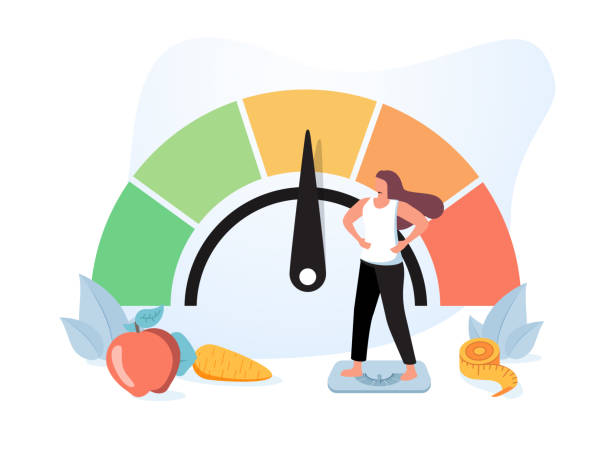
Woman and obese chart scales isolated flat vector illustration. Cartoon person on diet trying weight control with BMI. Body mass index and fitness exercise concept

Dream big. Start smart. Take the leap. 2025 is your year.

New year resolution 2025 concept. Word start 2025 written on athletics track and athlete woman runner preparing for new year at sunset for challenge and change. planning health and the goal to success

Why 2025 Is the Perfect Year to Start Your Own Business

In a world that’s evolving faster than ever, 2025 stands out as the ultimate launchpad for aspiring entrepreneurs. With technology at your fingertips, access to global markets, and a growing culture of innovation, there has never been a better time to take control of your destiny and start your own business.

The Digital Revolution Is on Your Side

We’re living in the golden age of technology. Tools that once cost thousands of dollars are now free or incredibly affordable. AI, automation, cloud computing, and e-commerce platforms have leveled the playing field, giving individuals the power to compete with large corporations. You can build a brand, reach customers worldwide, and operate a business — all from your laptop.

The Mindset Shift: People Want More

The pandemic years reshaped the way we think about work and life. More people now value freedom, purpose, and flexibility over traditional 9-to-5 jobs. This cultural shift means your potential customers are more open to new ideas, niche products, and personal brands than ever before. If you have a passion or unique skill, there’s a market waiting for you.

Runner standing at the starting point with 2025 year for starting in new year 2025 to achieve business planing and success concept.

The Gig Economy Is Fueling Independence

Freelancing, remote work, and side hustles have exploded in popularity. In 2025, it’s easier than ever to test an idea while still working your day job. You don’t need to quit everything to start; you can grow your business organically, step by step. This is the age of smart risk — not blind risk.

Funding and Support Have Never Been More Accessible

Crowdfunding platforms, angel investors, venture capital, startup accelerators — resources for new business owners are everywhere. Governments and private organizations alike are offering grants, tax breaks, and startup support programs to fuel innovation. If you’ve got a great idea, someone out there is ready to help fund it.

AI and Automation Are Your Allies

Some fear that AI will replace jobs — but entrepreneurs see it differently. AI is your business partner, capable of handling repetitive tasks, analyzing data, creating content, and optimizing operations. It allows you to do more with less, freeing you up to focus on creativity and growth.

2025 sparkler fireworks number logo isolated on black background. 2025 New Year vector icon for greeting card, poster, banner, flier

Build Your Dream. Own Your Future.

Starting your own business isn’t just about making money — it’s about freedom, impact, and legacy. It’s about waking up every morning excited to build something that’s yours, that reflects your values and vision. In 2025, the tools, the mindset, and the opportunity are aligned like never before.

So if you’ve been waiting for the “right time” — this is it. This is the year to start. Don’t let fear or doubt hold you back. The world is ready for what only you can offer.

Is There a Real Way to Lose Excess Weight in a Short Time – Like One Month?

Close-up of a female checking kilogrammes getting on the scale – self care and body positivity concept,profile view

Losing weight is a goal shared by millions around the world, and many are constantly searching for fast and effective ways to shed excess fat. The idea of losing a significant amount of weight in a short period—like one month—sounds attractive, but is it truly possible? More importantly, is it safe and sustainable?

The Truth About Rapid Weight Loss

Yes, it is possible to lose weight quickly, even within a month. However, the amount of weight you can safely lose depends on several factors, including your starting weight, metabolism, diet, physical activity level, and overall health.

Set vector icons page calendar – day 12, mark done, agenda app. Mark business, deadline, date icon. Pictogram yes, success, check, approved, confirm and reminder. Date schedule

Health experts generally recommend losing 0.5 to 1 kilogram (1 to 2 pounds) per week. That adds up to about 2 to 4 kilograms (4 to 8 pounds) in a month. While this might not seem like a “dramatic” change, it is considered safe and more likely to be maintained over time.

How to Maximize Weight Loss in a Month

If you’re aiming to lose weight in a healthy and effective way in one month, here are some key steps:

1. 

Adopt a Calorie Deficit

You must burn more calories than you consume. This doesn’t mean starving yourself, but rather eating nutrient-rich, low-calorie foods such as vegetables, lean proteins, and whole grains.

2. 

Increase Physical Activity

Combining cardio exercises (like running, walking, or cycling) with strength training helps burn fat and build muscle, which boosts metabolism.

3. 

Cut Out Processed Foods and Sugars

Processed foods are often high in calories and low in nutrients. Eliminating sugary drinks, snacks, and fast food can significantly reduce calorie intake.

4. 

Stay Hydrated

Drinking plenty of water helps with digestion, reduces appetite, and prevents water retention.

5. 

Get Enough Sleep

Lack of sleep disrupts hormones related to hunger and metabolism. Aim for at least 7–8 hours of quality sleep per night.

What About Extreme Diets?

While some diets promise rapid results (such as juice cleanses or very low-calorie diets), they are often unsustainable and may cause muscle loss, nutritional deficiencies, or other health issues. Weight lost in these ways is typically regained quickly once normal eating resumes.

Final Thoughts

There is no “magic” way to lose weight overnight, but with commitment and a healthy approach, you can make noticeable progress in just one month. Focus on building better habits, not just chasing fast results. Losing even a small amount of weight the right way can lead to long-term success.

If you’re unsure where to start, consult a doctor or a registered dietitian to create a plan tailored to your individual needs. Remember, your health is the ultimate goal—not just the number on the scale.

The Importance of Maintaining a Healthy Weight and Body Mass

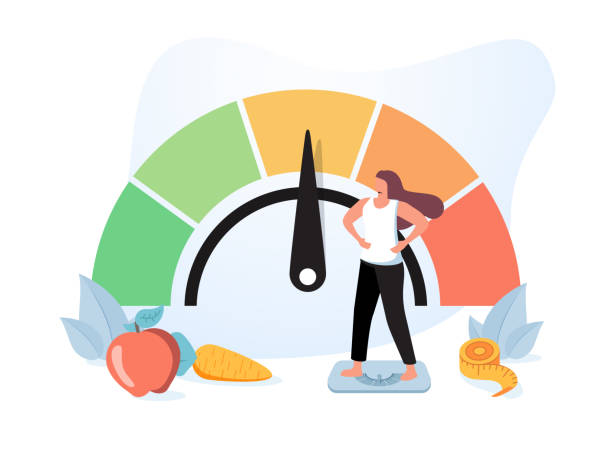
Woman and obese chart scales isolated flat vector illustration. Cartoon person on diet trying weight control with BMI. Body mass index and fitness exercise concept

Maintaining a healthy weight and body mass is essential for overall well-being and long-term health. A balanced weight not only contributes to physical appearance but also plays a critical role in preventing many chronic diseases and improving the quality of life. In today’s fast-paced world, where unhealthy food options and sedentary lifestyles are common, understanding the importance of weight management has never been more crucial.

1. Reduces the Risk of Chronic Diseases

Morning migraine, chronic fatigue and nervous tension, stress or flu symptom, hard to wake up concept. Young woman with strong headache, tired and exhausted girl holding head. Simple flat vector

One of the most important benefits of maintaining a healthy weight is the reduced risk of chronic illnesses. Obesity is closely linked to conditions such as type 2 diabetes, heart disease, high blood pressure, stroke, and certain types of cancer. A normal body mass index (BMI) helps the body function more efficiently, supports better blood circulation, and reduces the strain on internal organs.

2. Improves Mental Health

Mental health illustration. Character with mental disorder fight against stress, depression, emotional burnout and other psychological problems. Psychotherapy concept. Vector illustration.

Weight can have a significant impact on mental and emotional well-being. Individuals with a healthy weight are less likely to suffer from anxiety, depression, and low self-esteem. Regular physical activity and a balanced diet, which are key components of weight control, are also known to boost mood and reduce stress levels.

3. Enhances Physical Mobility and Energy

Carrying extra weight can put added stress on joints, muscles, and bones, which may lead to discomfort and mobility issues over time. Maintaining a healthy weight helps improve posture, flexibility, and overall physical performance. It also increases daily energy levels, making it easier to stay active and productive.

A happy woman sits in the flower and waters it. Smiling girl cares about herself and her future. Concept of love yourself and a healthy lifestyle. Vector illustration.

4. Supports a Strong Immune System

A healthy body weight supports a strong and efficient immune system. Excess body fat can lead to inflammation and negatively affect how the immune system functions. By keeping your weight within a healthy range, your body is better prepared to fight off illnesses and recover quickly when sick.

Cup of hot tea with lemon for making a warming drink for flu, coronavirus and colds. Maintaining immunity against viral infections concept.

5. Promotes Longevity and Quality of Life

Studies have shown that individuals who maintain a healthy weight are more likely to live longer and enjoy a higher quality of life. They often experience fewer health problems, have more energy, and can participate in a wider range of physical and social activities without limitations.

Autumn portrait of sporty healthy mature male in hoodie and running shoes exercising outdoors, practicing side lunges. Elderly bearded man in sportswear warming up before morning run in park

Conclusion

Maintaining a healthy weight and body mass is not just about appearance—it’s a vital part of living a longer, healthier, and more fulfilling life. Through balanced nutrition, regular physical activity, and healthy lifestyle choices, anyone can work toward achieving and maintaining their ideal weight. Taking small, consistent steps each day can lead to lasting changes that benefit both the body and mind.

Top 5 Morning Habits to Boost Productivity

Business or economic growth concept with arrow icons on wooden cubes on blue background

Starting your day with the right habits can set the tone for a productive, focused, and successful day. High achievers often credit their morning routines for their accomplishments. If you’re looking to increase your productivity, adopting a few key habits early in the day can make a significant difference. Here are the top five morning steps that can help boost your productivity:

1. Wake Up Early and Avoid the Snooze Button

Waking up early gives you a head start on the day and allows you to plan your schedule with a clear mind. Avoid hitting the snooze button, as it can disrupt your sleep cycle and leave you feeling groggy. A consistent wake-up time trains your body to be more alert and energetic in the morning.

Young couple of hikers with backpacks is walking at mountain top with great view

2. Practice Mindfulness or Meditation

Spending 5–10 minutes in meditation, deep breathing, or mindfulness can greatly enhance your focus and reduce stress. These practices clear your mind and help you become more aware of your priorities. Starting your day with a calm and centered mind allows you to make better decisions and stay focused throughout the day.

3. Exercise or Stretch Your Body

Physical activity in the morning boosts blood circulation, increases energy levels, and releases endorphins that improve your mood. You don’t need a full workout—simple stretching, a brisk walk, or yoga can activate your body and prepare it for a productive day.

Adult male runner in park at autumn sunrise

4. Plan Your Day with Clear Goals

Take a few minutes to write down your top three goals for the day. Use a planner or a productivity app to structure your tasks. Prioritizing important activities and breaking them into smaller steps can prevent overwhelm and help you stay on track.

Business goal planning, instruction inspection and task evaluation progress, efficiency of organization. Tiny people check to do list with magnifying glass and target cartoon vector illustration

5. Eat a Healthy, Balanced Breakfast

Fueling your body with a nutritious breakfast can improve concentration, memory, and overall energy levels. Choose a meal rich in protein, healthy fats, and whole grains to keep you full and focused. Avoid sugary foods that lead to energy crashes later in the day.

Healthy high protein vegan plant based lunch bowl with mushrooms, roasted cauliflower, herbed chickpeas and quinoa

Conclusion

Your morning routine plays a powerful role in shaping the rest of your day. By waking up early, practicing mindfulness, moving your body, planning your goals, and eating a healthy breakfast, you can significantly improve your focus, energy, and productivity. Start with one or two of these habits and gradually build a routine that sets you up for success every single day.

The Power of Structure: Why You Need a System for Your Life

In a world full of distractions, uncertainty, and constant noise, many people struggle with feeling overwhelmed, unproductive, and directionless. One of the most powerful solutions to this problem is surprisingly simple: structure.

Creating a system or routine for your life doesn’t mean losing freedom or becoming robotic. On the contrary—it brings clarity, control, peace of mind, and, ultimately, greater freedom to do what matters most.

This article explores why having a life system is essential, how it benefits your mental, physical, and emotional well-being, and how you can start building one today.

1. Structure Reduces Stress and Mental Overload

Young woman meditating on chaos mess line with positive energy

Every day, we make hundreds of small decisions—from what to eat, what to wear, when to exercise, to how to prioritize tasks. Without a structure, these decisions pile up and create decision fatigue.

A clear routine minimizes this stress by automating parts of your day.

  • Morning routines set the tone for productivity and focus.
  • Pre-planned meals or weekly schedules reduce daily anxiety.
  • Prioritizing tasks the night before helps you sleep better and wake up with direction.

Structure = fewer decisions = more mental energy for what really matters.

2. Systems Build Discipline and Consistency

Motivation is temporary. No one feels inspired every single day—but discipline keeps you moving forward when motivation fades.

Quality Control and Certification Assurance Concept. Hand holding magnifying glass over checkmark symbol, alongside icons representing quality control, certification, and assurance on blue background.

When you have a system:

  • You don’t wait until you “feel like it” to do the important things.
  • You show up consistently, which leads to progress over time.
  • You build habits that eventually become second nature.

Whether you’re learning a new skill, building a business, or getting fit—consistency beats intensity. And consistency is the result of a structured life.

3. A Structured Life Boosts Productivity

growth in business and finance, growing graphs and charts with statistics and digits

People often think being “busy” is the same as being productive. It’s not.

True productivity comes from knowing what matters and organizing your time around those priorities. A system helps you:

  • Focus on high-impact tasks instead of getting lost in busywork.
  • Break down goals into actionable steps.
  • Use tools like time-blocking, habit trackers, or to-do lists to stay on track.

Structure gives your efforts direction. Without it, you may be working hard—but not moving forward.

4. Structure Enhances Your Mental and Physical Health

Medical technology. Doctor holding health icon with dna, electronic medical record. Digital healthcare and research with global network connection on hologram virtual screen, insurance, digital health technology

A chaotic life takes a toll on your well-being. Poor sleep, stress, burnout, and anxiety are often rooted in a lack of structure.

A healthy routine:

  • Improves sleep quality with consistent bedtimes.
  • Encourages regular exercise and healthy eating.
  • Provides time for rest, hobbies, and relationships.

When your days have rhythm and balance, your mind and body thrive.

5. Systems Help You Stay Focused on Long-Term Goals

Goals abstract concept vector illustration. Business growth, strategic long-term planning, smart goals and objectives, setting mission, having purpose, future achievement abstract metaphor.

It’s easy to get caught in the urgency of the moment and forget what really matters. But systems act like a compass—they keep you aligned with your long-term vision.

For example:

  • A weekly planning session helps you review progress and adjust your course.
  • Monthly goals keep you moving toward larger life ambitions.
  • Regular reflection ensures you’re not drifting from your values.

A structured life isn’t rigid—it’s intentional. It makes sure your daily actions reflect your deepest priorities.

6. Structure Creates Time for What Matters Most

Why it matters? text on notebook page with magnifying glass top view on wooden background

Ironically, having a system creates more freedom—not less.

When you plan your time, you:

  • Spend less of it on distractions.
  • Have space for what truly brings joy—family, rest, creativity, learning.
  • Live with purpose, instead of reacting to whatever comes your way.

Structure isn’t about doing more. It’s about doing what matters—better.

How to Start Creating a Life System (Even If You’ve Never Had One)

IOT concept. Smart home connection and control with devices through home network. Internet of things doodles background.

You don’t need a perfect plan to begin. Start simple:

1. Build a Morning Routine:

Start your day with intention—read, meditate, exercise, or plan your goals.

2. Use a Weekly Planner:

Schedule your week in advance, even if it’s rough. Include work, rest, relationships, and fun.

3. Prioritize the Top 3 Tasks Daily:

Focus on what really moves the needle. Avoid overwhelming to-do lists.

4. Track Your Habits:

Use a simple tracker to stay accountable—sleep, water, exercise, reading, etc.

5. Reflect Regularly:

At the end of each week or month, ask: What worked? What didn’t? What can I improve?

Over time, these small systems stack up—and you build a life that feels calm, focused, and fulfilling.

Final Thoughts: Structure is Freedom

Most people float through life reacting to whatever comes their way. But the happiest, most successful people don’t live by accident—they live by design.

A system doesn’t trap you—it frees you from chaos, gives you clarity, and helps you live with intention.

So, if you feel stuck, scattered, or stressed, don’t wait for motivation. Build a system. Start small. Stay consistent. And watch your life transform.

The Most Valuable Things You Can Learn Online Right Now

The internet has transformed the world into a vast digital classroom. No longer do you need a university campus, expensive tuition, or a formal teacher to gain world-class knowledge. Whether you’re trying to build a career, start a business, improve your personal life, or just explore new interests, the internet offers thousands of opportunities to grow—anytime, anywhere.

Here’s a look at some of the most valuable things you can start learning online today, and how they can change your life.

1. Digital Skills That Power the Future

Modern Data Technology Center Server Racks in Dark Room with VFX. Visualization Concept of Internet of Things, Data Flow, Digitalization of Internet Traffic. Electric Equipment Warehouse.

In today’s digital world, certain skills are more in demand than ever—and you can learn them all online.

  • Coding and Web Development: From HTML and CSS to full-stack development, platforms like freeCodeCamp, Codecademy, and Udemy can turn you into a tech pro.
  • Data Science & Analytics: Learn to interpret data, create reports, and use tools like Python, SQL, and Excel.
  • Digital Marketing: Understand SEO, email campaigns, social media advertising, and branding through courses on HubSpot Academy, Coursera, or Google Skillshop.
  • Graphic Design & Video Editing: Master tools like Adobe Photoshop, Illustrator, or Premiere Pro via tutorials on YouTube or Skillshare.

Why it matters: These skills are not only career boosters—they are career creators in today’s remote and tech-driven world.

2. Financial Literacy and Investment Skills

Interest rate and dividend concept, Investor touch a percentage symbol of invest return profit, return on stocks and mutual funds, long term investment for retirement.

One of the most powerful life skills is understanding how money works—and the internet is full of resources to teach you for free.

  • Budgeting & Saving: Learn how to control spending, avoid debt, and save for goals through platforms like NerdWallet or YouTube channels like The Financial Diet.
  • Investing: From stock markets to crypto, many websites offer step-by-step guides and simulators (e.g., Investopedia, Morningstar).
  • Passive Income: Discover how to earn through real estate, dividend investing, or online businesses.

Why it matters: Financial freedom starts with financial knowledge. The earlier you start, the more wealth you can build over time.

3. Languages and Communication

Learn foreign language, different languages on screen, english, french, german, arabic, chinese, say Hello Bonjour Ciao Hola

The ability to communicate effectively—or in multiple languages—can open personal and professional doors.

  • Learn New Languages: Apps like Duolingo, Babbel, or Memrise make learning fun and bite-sized. You can also practice with real people via websites like iTalki or Tandem.
  • Public Speaking and Communication: Courses from platforms like Coursera or TED-Ed can help you overcome fear, speak confidently, and lead persuasively.
  • Writing Skills: From creative writing to copywriting and blogging, websites like Reedsy, Medium, or MasterClass can help sharpen your voice.

Why it matters: Clear communication sets you apart in every field—and helps you connect with people across the globe.

4. Entrepreneurship and Business

Reflection Of People On Glass Window

If you’ve ever dreamed of starting your own business or side hustle, the knowledge is just a few clicks away.

  • E-Commerce: Learn how to launch a store on Shopify, Amazon, or Etsy.
  • Freelancing: Master platforms like Upwork, Fiverr, or Freelancer and learn how to brand yourself online.
  • Business Strategy: Courses from Harvard Online, edX, or MIT OpenCourseWare can teach you how to think like a CEO.

Why it matters: The internet has lowered the barrier to entry. With the right knowledge, anyone can become their own boss.

5. Personal Development and Mindset

Goal Setting Businessman.

Growth isn’t just about jobs and money—it’s also about becoming the best version of yourself.

  • Time Management: Learn productivity systems like GTD (Getting Things Done), time blocking, or the Pomodoro Technique.
  • Mindfulness & Mental Health: Apps like Headspace and Calm, along with free courses on platforms like Coursera, can help reduce stress and increase focus.
  • Critical Thinking & Problem-Solving: Websites like edX and Khan Academy offer courses that train your brain to think logically and creatively.

Why it matters: Success often starts from within. Mental clarity, focus, and discipline are game-changers in all areas of life.

6. Creative Arts and Hobbies

Creative professions people. Artisans at work, musician, graffiti artist, sculptor, puppeteer. Skater, dancer and photographer. Different crafts and hobbies, tidy vector cartoon flat isolated set

Not everything has to be about business—sometimes, learning is its own reward.

  • Music: Learn guitar, piano, or music production through YouTube tutorials or platforms like Yousician.
  • Photography: Understand lighting, composition, and editing through Skillshare or online photography communities.
  • Art & DIY Crafts: From watercolor painting to woodworking, the internet is full of step-by-step guides and communities to support you.

Why it matters: Creativity fuels joy, reduces stress, and connects you with your deeper self. It also sometimes leads to unexpected income streams.

Final Thoughts: The Best Investment Is You

You don’t need permission to grow. You don’t need a perfect plan or expensive equipment. All you need is curiosity, consistency, and a willingness to learn.

The internet has made it possible to transform your life from your laptop or phone—often for free.

So whatever your goals are—starting a business, building a new skill, switching careers, or simply becoming more fulfilled—there’s a course, tutorial, or community waiting for you online.

Start today. Your future self will thank you.

Green Thank you with heart icon isolated on green background. Handwritten lettering. Long shadow style. Vector.

Your future self will thank you.Mastering Your Money: Essential Steps to Save and Grow Your Wealth

Money is more than just numbers in a bank account—it’s freedom, security, and the ability to live life on your own terms. Yet, for many people, managing money can feel overwhelming or even intimidating. The good news? With the right mindset and a few smart steps, anyone can take control of their finances and build a solid foundation for lasting wealth.

Whether you’re just starting out or looking to level up your financial game, this guide outlines the most important steps to not only save your money—but grow it.

1. Understand Your Financial Picture

Before you can grow your money, you need to know where you stand.

  • Track your income and expenses: Use a spreadsheet or financial apps like Mint, YNAB (You Need A Budget), or PocketGuard. Know exactly how much you earn and where it’s going.
  • List your debts and assets: This includes student loans, credit cards, mortgage, savings, investments, etc.
  • Know your net worth: Subtract your total liabilities from your total assets. This number is your financial baseline.

Why it matters: Awareness is the first step to change. Once you know your numbers, you can start to take control.

2. Build a Budget That Works for You

Budgeting isn’t about restriction—it’s about intention.

  • Follow the 50/30/20 rule: Spend 50% of your income on needs (rent, food, bills), 30% on wants (entertainment, travel), and save/invest the remaining 20%.
  • Adjust to your reality: If your income is low or expenses are high, you may need a more aggressive saving approach (e.g., 70/20/10).
  • Use automation: Automatically transfer money into savings or investment accounts as soon as you get paid.

Why it matters: A clear budget helps you avoid overspending and ensures that you’re intentionally setting aside money to save and grow.

3. Build an Emergency Fund

Unexpected expenses are a part of life. Be prepared.

  • Aim for 3–6 months of living expenses: This money should be easily accessible in a high-yield savings account.
  • Start small, but start now: Even saving $500 or $1,000 can make a huge difference during emergencies.
  • Don’t touch it unless it’s a true emergency: Not for vacations or shopping—this fund is your safety net.

Why it matters: Without an emergency fund, unexpected expenses can force you into debt and derail your financial goals.

4. Eliminate High-Interest Debt

Debt can silently drain your wealth over time, especially credit card debt.

  • Pay more than the minimum: Focus on high-interest debts first using the avalanche method (highest interest rate first) or the snowball method (smallest balance first).
  • Avoid new debt: If you must use a credit card, pay the full balance each month.
  • Negotiate interest rates: Sometimes a simple phone call to your lender can result in lower rates.

Why it matters: The faster you get rid of debt, the more money you free up to invest and grow.

5. Start Investing Early—Even with a Small Amount

Saving money is important—but investing is how you make your money grow.

  • Use compound interest to your advantage: The earlier you invest, the more your money multiplies over time.
  • Start with index funds or ETFs: They’re low-cost, diversified, and beginner-friendly.
  • Consider retirement accounts: Open an IRA, Roth IRA, or contribute to a 401(k) if your employer offers one—especially if there’s a match.

Why it matters: Investing helps your money grow beyond inflation, builds long-term wealth, and gives you more freedom in the future.

6. Continuously Educate Yourself

The best investors and savers are always learning.

  • Read financial books: Start with classics like The Richest Man in Babylon, The Millionaire Next Door, or I Will Teach You to Be Rich.
  • Follow trusted financial educators: Look for certified financial planners, personal finance YouTubers, or podcasts.
  • Understand taxes, inflation, and interest rates: These affect your money more than you think.

Why it matters: Financial literacy is a superpower. The more you know, the better decisions you’ll make.

Trendy halftone collage of business concept. Vector illustration of financial profit, savings, finance, banks, sales. Template for web banner, social media banner. Vector illustration

7. Set Clear Financial Goals

Money should serve a purpose. What’s yours?

  • Short-term goals: A vacation, buying a car, or paying off a loan.
  • Medium-term goals: A house down payment or starting a business.
  • Long-term goals: Financial independence, retirement, or generational wealth.

Make your goals SMART: Specific, Measurable, Achievable, Relevant, and Time-bound.

Why it matters: Clear goals keep you motivated and focused on the bigger picture.

8. Protect What You Build

Once you start building wealth, it’s important to protect it.

  • Get the right insurance: Health, renters, car, life, and disability insurance prevent financial disasters.
  • Create a basic will: Especially if you have dependents or assets.
  • Watch out for scams: If it sounds too good to be true—it usually is. Be cautious and informed.

Why it matters: You worked hard for your money. Make sure it’s safe.

Final Thoughts: Wealth Is a Habit, Not a Destination

Saving and growing your money isn’t about luck—it’s about daily habits, wise decisions, and long-term thinking. You don’t need a six-figure income to build wealth. You need discipline, knowledge, and a clear plan.

Start small. Be consistent. Stay patient.

Your future self will thank you.

Design a site like this with WordPress.com
Get started