You Are the Captain of Your Life

I have returned once again with a message for you. Imagine that your life is a ship sailing through a stormy sea. The emotions you carry within, your mindset, and your inner voice—these are the captain steering that ship. All decisions, all directions, come from this inner captain. If that captain is wise, composed, and calm, then no matter how fierce the storm, the ship will find a safe passage. But if the captain is fearful, lost, or overwhelmed, then the ship is likely to sink.

Dear reader, you are the captain of your life. Life is full of storms, burdens, pain, and constant change. It’s just like the ocean—sunny at times, gloomy at others, sometimes calm and soothing, other times terrifying and wild.

There are many things in life that are simply beyond human control. You can’t always choose your boss. You may not be able to easily walk away from a failing marriage. You can’t always shield yourself from the pain of a sudden illness. These are things that test our endurance and challenge our peace.

However, one thing remains firmly within your grasp: the ability to activate the wise captain within you. You have the power to guide your life with stability, clarity, and peace—even when everything around you feels chaotic.

Start with Acceptance

The first step is to accept change and adapt quickly. Acceptance is the foundation of any solution. The faster you accept what’s happening, the faster you can move toward healing. Don’t resist reality. Don’t deny your emotions. Instead, face your challenges head-on. Accept people for who they are—even expect the worst at times—not because everyone is bad, but to protect yourself from unnecessary disappointment.

Think Calmly and Clearly

Crying, screaming, or desperately seeking help from others may feel like relief in the moment, but they rarely bring real solutions. In your toughest moments, what you need most is yourself. There is a hidden strength within you that only emerges when you’re tested. Find a quiet, comfortable place, and allow yourself to think deeply—even if it takes a full day. Reflect on the problem with clarity and purpose.

Seek Solutions

Then, ask yourself the important questions:

  • Is there a solution I can access right now?
  • Can I avoid this situation somehow?
  • Can I learn to live with it?
  • Do I really need someone else’s advice?
Dig deeper:

  • What exactly is bothering me?
  • When did this issue start? Is it likely to happen again?
  • What outcome do I actually want?

And most importantly:

  • Is there something I can change right now?
  • If someone else were in my place, what advice would I give them?
  • What is the very first step I can take today?

You Will Find a Way

I don’t know the exact nature of your struggles, nor how hard your life may be. But what I do know—and firmly believe—is that you will overcome them. You have the wisdom to take control. Even if the road ahead seems long and difficult, there is always a way out. And when you reach the other side, the destination will be far better than where you began.

I’m Back With a New Weight Loss System I Tried Myself

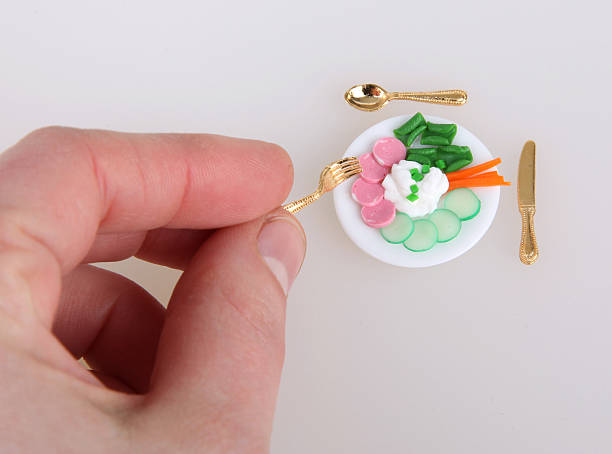
Tiny portion of food for someone on a diet

Introduction

I’m back again to share a brand new weight loss method that I personally tested!

Although, in the coming days, I also plan to share some techniques for gaining weight, for now, let’s focus on how to lose it.

Weight — whether gaining or losing it — seems to occupy the minds and conversations of half the planet.

Many people are simply unhappy with how they look on the outside, and that’s completely normal. We’ve all been there.

But what’s worse are the warning signs that begin to show up, indicating deeper, more serious health problems.

Maybe you go to work and suddenly feel dizzy — forgetting that you skipped breakfast.

Maybe you feel exhausted just climbing a few steps to visit a friend.

Or worse, you notice your breathing slows and your chest tightens the moment your head touches the pillow at night.

All these are just symptoms pointing to a bigger, underlying problem that must be addressed.

Your body is everything. Take care of it.

It’s the only thing that will truly stay with you until the very end — nothing else.

The Rise of Weight Loss Surgeries

In recent years, we’ve seen countless influencers on social media sharing their experiences with gastric sleeve surgeries or gastric bypass.

Within a year, they lose staggering amounts of weight, and you can’t help but wonder:

“Why not me?”

Here’s my answer:

No, please don’t rush into it.

Surgery is serious and hospitals can be frightening places sometimes.

These are full operations — it’s not something to take lightly.

Contrasting large and tiny food portions of Spaghetti

There Are Easier and Safer Ways

Believe me, there are much easier ways to achieve similar results without going under the knife.

Give yourself a final honest chance before you even think about surgery.

There are so many strategies you haven’t tried yet, and some of them can be incredibly effective.

In this article, I’ll explain how I “tricked” my body into thinking I had just had a gastric sleeve surgery — all without leaving my home or undergoing any real procedure!

How I Simulated Gastric Sleeve Surgery Without Actual Surgery

Small chocolate and vanilla layered cakes in rows on candy buffet. Sweet paradise.

First, I want you to forget about all the large feasts we used to enjoy.

From today, imagine you are living with half or even a quarter of a stomach.

Step 1: Small, Frequent Meals

Eat small meals, the size of your palm or about 100 grams of whatever you crave.

The goal here is to stay connected to your body’s natural hunger and fullness cues.

For example:

  • Now, have an apple.
  • Two hours later, enjoy a small 100-gram dessert.
  • And so on throughout the day — but never exceed 100 grams per meal.
Mini blini pancakes with soft cheese, cold smoked salmon and dill.

Step 2: Increase Fiber Intake

Boost your digestion by adding fiber-rich foods to your meals.

If you’re eating a 100-gram sandwich, add a carrot or another vegetable or fruit rich in fiber on the side.

Fiber will keep you fuller for longer and improve your digestion naturally.

Step 3: Drink Plenty of Water

Water will work like magic in this process:

  • It will keep you hydrated.
  • It will reduce feelings of hunger.
  • It will help eliminate excess water weight, which you’ll quickly notice on the scale.

Tip: Always drink a full glass of water before each meal.

Step 4: Chew Your Food Thoroughly

We’re dealing with tiny meals — so don’t just gulp them down!

Enjoy every bite.

Chew slowly, savor the texture, and appreciate the different flavors in every mouthful.

(I’ll also share a link here soon about the importance of slow chewing for your health!)

Step 5: Exercise Regularly

Finally, exercise is essential.

You won’t believe how much weight you can lose within a few months if you move regularly.

Without exercise, your skin might loosen as you lose weight — and that’s a situation we want to avoid.

Start slow but be consistent.

Step by step, your body will transform beautifully as you follow this system.

Final Thoughts

This was my experience with simulating gastric sleeve surgery without any actual medical procedure.

Try it yourself, and let us know how it goes for you in the comments!

My Experience with Following a Calorie Deficit Diet

Food products representing the DASH diet which was created to help lower high blood pressure

Introduction

I’m someone who loves trying new things, especially when it comes to weight loss and weight gain. I genuinely enjoy experimenting and then sharing my full experience with others — whether they’re sipping their morning coffee or reading something relaxing before bedtime.

Today, I’m excited to tell you about my journey with a calorie deficit diet.

From above of healthy diet bruschetta on plate and cup of coffee surrounded by various sport equipment on yoga mat

The Positives of a Calorie Deficit Diet

A New Perspective on Eating

One of the biggest advantages I discovered is that the heavier you are, the more you can actually eat while still losing weight.

For example, if you are a middle-aged woman, around 163 cm tall and weighing over 70 kg, you could eat up to 1700 calories a day and still lose about half a kilogram per week!

Food Variety and Flexibility

With 1700 calories, you have a wide range of meal options. Especially if you focus on healthy foods, you’ll find yourself satisfied and full without wasting all your calories on something like a large bag of chips.

It all comes down to smart meal distribution.

Vector set of restaurant line icons. Contains icons menu, serving food, chef, wine list, cutlery, steak, tray and more. Pixel perfect.

Freedom to Enjoy Your Favorite Foods

One of the best parts? Freedom!

You can eat sweets, snacks, or any food you love — as long as you track your calories honestly and stay within your limit.

This diet allows you to enjoy what you eat without feeling restricted or guilty, which makes the process much more sustainable.

The Downsides of a Calorie Deficit Diet

Time and Effort in Tracking

One of the main challenges is the time and care it takes to log every meal. It’s easy to miscalculate, especially since the calorie count of boiled rice is very different from rice cooked in oil, and the same goes for other foods like potatoes.

Challenges When Eating Out

Another downside is the mental burden when you’re dining out.

Imagine being extremely hungry, and everyone is already digging into their meals, but you have to pause to calculate your calories first.

Sometimes, you’ll find yourself staring at a bowl of soup wondering, “How many calories are in this?” and feeling anxious about desserts too.

Uncertainty with Unfamiliar Foods

The biggest headache happens when you eat a dish that doesn’t exist in your tracking app.

You’ll be left guessing — should you log it as cake? Is it even heavier and more calorie-dense than cake?

This uncertainty can be quite stressful.

Losing Touch with Natural Hunger and Fullness

Over time, you might lose touch with your natural hunger and fullness signals.

Instead of listening to your body, you focus only on numbers.

Sometimes you may feel full but still push yourself to finish your daily calories; other days you may be hungry but refrain from eating more because you’ve already hit your calorie limit.

The Risk of Binge Eating on “Break” Days

Finally, if you ever take a break from tracking — even for just one day — you might end up overeating.

You tell yourself, “I’ll go back to tracking tomorrow,” but that freedom can lead to eating everything in sight just because you’re temporarily free from the discipline of recording every meal.

Conclusion

Despite its challenges, I believe that following a calorie deficit diet can be incredibly effective for anyone with a clear goal in mind.

It teaches you discipline, awareness, and gives you the flexibility to enjoy the foods you love — all while achieving your weight goals.

That’s my experience!

What about you? Have you ever tried following a calorie deficit diet? I’d love to hear your stories!

Five Essential Ways to Control Your Anger: Start Today

Anger is a natural human emotion, but if left unchecked, it can become a destructive force that affects your relationships, health, and decisions. Fortunately, you can start today by applying five simple yet effective steps to control your anger before it controls you.

1. 

Take a Deep Breath Before You Speak

When tempers flare and emotions boil over, speaking is often the first outlet—and it’s usually hurtful. So, the first simple yet powerful step is to pause for a few seconds and take a deep breath. This brief moment gives you a chance to think and creates space between feeling and reacting.

2. 

Change Your Environment or Situation

Sometimes the best thing to do is to remove yourself from the situation that’s triggering your anger. Change your location, take a short walk, or get some fresh air. A physical shift helps break the tension and gives you a chance to calm down and reset.

3. 

Express Yourself Calmly

Controlling anger doesn’t mean bottling it up—it means expressing it in a clear, respectful, and calm manner. Use “I” statements instead of “you” ones. For example: “I’m upset about the delay” instead of “You’re always late.” This approach reduces defensiveness and opens the door to understanding.

4. 

Engage in Physical Activity

Exercise is a great way to release angry energy. Whether it’s walking, running, breathing exercises, or even cleaning the house, the key is to get your body moving. Physical activity releases hormones that help you relax and boost your mood.

5. 

Practice Forgiveness and Positive Thinking

Often, anger has roots in past experiences or unrealistic expectations. Learn to forgive and ease up on yourself and others. Instead of dwelling on mistakes, try to see the bigger picture and ask yourself: Is this really worth getting so upset over?

In Conclusion:

Anger doesn’t have to be your enemy—it can be a catalyst for growth and change. By applying these five steps starting today, you’ll find yourself more in control of your emotions and better equipped to handle daily challenges with calm and clarity.

How to Become Famous in 2025

Fame — it’s a dream many people share. The idea of being seen, celebrated, and admired has become more accessible than ever before, especially in our digital world. But in 2025, fame is not just about being in the spotlight; it’s about standing out in a world full of noise, content, and endless competition. So, how does someone become truly famous in today’s fast-moving, highly connected world?

The answer lies in a combination of strategy, authenticity, creativity, and persistence. Let’s explore the journey to fame in 2025.

1. Understand What Fame Really Means Today

In the past, fame was limited to movie stars, musicians, athletes, and public figures. But now, in 2025, anyone with a phone and a story to tell can become famous. Social media platforms like TikTok, YouTube, Instagram, and newer ones like VibeCast or LinkLoop have become launching pads for everyday people to reach millions.

However, fame today is not only about having millions of followers. It’s about influence, connection, and relevance. It’s about building a personal brand that people trust and care about. If you want to become famous, you must understand that you are more than just a content creator — you are a brand, a storyteller, and a leader in your own niche.

2. Find Your Unique Voice

To rise above the crowd, you need something that makes you different — something only you can offer. Are you funny, talented, inspiring, or deeply knowledgeable about a certain subject? Do you have a personal story that can touch hearts? Whatever it is, discover it, embrace it, and build your content around it.

Don’t try to copy others. Audiences in 2025 are smarter than ever — they can sense inauthenticity. People are more drawn to real, imperfect, and unique individuals than they are to perfectly polished personas.

3. Choose the Right Platforms and Master Them

Different platforms serve different purposes. TikTok is great for quick, viral content. YouTube is excellent for longer, in-depth videos and storytelling. Instagram remains strong for visuals and lifestyle branding. Podcasts are booming for people who want to go deep into ideas.

Choose 1-2 platforms and become really good at using them. Study what works. Experiment. Pay attention to trends but don’t depend on them. Use analytics and feedback to improve. Fame is not about posting randomly — it’s about consistent, strategic communication with your audience.

4. Create Content That Connects

The most famous people in 2025 are not just entertainers — they are connectors. They speak to the hearts of their audience. They solve problems, make people laugh, offer hope, or open eyes to new perspectives.

Good content is not about you — it’s about them. Your audience is the key. Make them feel seen, understood, and valued. The more you can emotionally connect, the faster your fame will grow.

5. Stay Consistent and Patient

Viral moments can happen overnight, but most fame is built slowly. Stay consistent. Show up every day — even when you’re tired, even when it feels like no one is watching. Most people give up before the world ever sees their magic.

Success in 2025 isn’t just about going viral — it’s about staying relevant. And relevance comes from commitment, growth, and learning from both success and failure.

6. Network with Purpose

Connect with others in your niche. Collaborate. Support their work. Comment on their content. Join online communities or real-world events. In 2025, fame often grows through connection and collaboration, not isolation.

The people around you can open doors, introduce you to new audiences, and inspire you to keep growing.

7. Protect Your Mental Health

Fame can be exciting, but it can also be overwhelming. Constant attention, criticism, and pressure can damage your self-worth if you’re not careful.

Take breaks. Set boundaries. Remember that your value doesn’t depend on likes, views, or followers. True fame starts with loving who you are — not just who people think you are.

8. Give Back

The most respected famous people in 2025 are those who use their platform to do good. Support causes you care about. Use your voice to lift others. When you make a positive impact, people remember you not just for what you did — but for how you made them feel.

Conclusion: Fame with Purpose

Becoming famous in 2025 is not just about chasing attention. It’s about sharing something meaningful with the world. It’s about creating, connecting, and contributing in a way that resonates with people.

Whether you want to be an artist, influencer, entrepreneur, or thought leader — your path to fame is yours to shape. Stay real, stay focused, and never stop believing in your potential.

Because in 2025, the world isn’t just watching — it’s looking for someone exactly like you.

How to Support Yourself When You’re Lonely and Sad

There are moments in life when silence feels louder than words, and loneliness wraps itself around us like a heavy blanket. Sadness, too, can creep in quietly, taking root in the quiet corners of our hearts. In these moments, when the world feels distant and support seems out of reach, it becomes essential to learn how to be there for ourselves — to become our own source of comfort, strength, and hope.

1. Acknowledge Your Emotions

The first step in supporting yourself is allowing yourself to feel. Don’t hide from your emotions or pretend that everything is okay. Sit with your sadness. Recognize your loneliness. These feelings are not weaknesses — they are signs that you are human. They are messages from your soul that something within you needs attention and care.

2. Speak to Yourself with Kindness

Often, we are our own harshest critics. But when you’re hurting, what you need most is compassion. Speak to yourself as you would to a dear friend. Say things like, “It’s okay to feel this way,” or “I’m doing my best, and that’s enough.” These gentle affirmations can begin to heal the parts of you that feel unseen and unloved.

3. Find Small Moments of Peace

Even in the middle of sadness, there are small things that can bring light. A walk in the fresh air, a cup of tea, the sound of rain, or a song that touches your heart — these simple acts can ground you. They remind you that beauty still exists, even on the darkest days.

4. Connect with Yourself

Use this time alone to truly connect with yourself. Write in a journal, meditate, or simply sit in silence. Ask yourself what you need. What are you longing for? Often, the answers we seek from others can be found within our own hearts if we listen closely enough.

5. Reach Out When You’re Ready

Though you may feel alone, you are not. There are people who care — friends, family, even strangers who have walked similar paths. When you’re ready, reach out. Sometimes just talking, even if it’s to say “I’m not okay,” can lighten the load you’re carrying.

6. Remember That This Too Shall Pass

No feeling is final. Loneliness and sadness are like seasons — they come, but they also go. You have survived hard days before, and you will survive this too. Every sunrise is a chance to begin again, and every tear you shed waters the seeds of healing and growth.

In Closing

Supporting yourself when you’re lonely and sad is an act of deep courage and love. It means choosing to care for your own heart, even when it feels broken. It means believing that, even in your darkest moments, you are still worthy of love, of peace, of joy. So be gentle with yourself. Hold on. And know that even in solitude, you are never truly alone — you have yourself, and that is enough.

Fasting from Sunrise to Sunset: Its Impact on Human Health

Woman hands on intermittent fasting doing stop sign

Fasting from sunrise to sunset is an ancient practice rooted in spiritual traditions, observed by millions around the world. But beyond its religious and cultural significance, this daily period of abstaining from food and drink has drawn the attention of scientists, nutritionists, and health enthusiasts alike. Could something as simple as not eating during daylight hours actually have powerful effects on the human body?

The answer might surprise you. Modern research is beginning to reveal that fasting—when done properly—can lead to a range of health benefits. From improved metabolic function to enhanced mental clarity, fasting from sunrise to sunset may be more than a test of discipline; it could be a powerful tool for well-being.

What Is Sunrise-to-Sunset Fasting?

Alarm clock inside a plate

Sunrise-to-sunset fasting typically means abstaining from all food, drink, and sometimes even other physical needs, from the moment the sun rises until it sets. This type of fast is commonly practiced during the month of Ramadan by Muslims, but similar fasting routines are found in other cultures and spiritual practices.

During the fasting hours, the body goes through several physiological changes as it adapts to the temporary absence of food and hydration. While this may sound challenging, the human body is surprisingly well-equipped for it.

What Happens Inside the Body During Fasting?

When you stop eating, your body begins to shift its energy source from food to stored nutrients. Here’s a simplified timeline of what happens:

  • First few hours: Your body uses the glucose (sugar) in your bloodstream for energy.
  • After 8–12 hours: Glycogen (stored sugar in the liver and muscles) begins to break down.
  • After 12–16 hours: Your body enters a state called ketosis, where it starts burning fat for energy instead of glucose.

This process isn’t just about weight loss—it can actually “reset” many systems in the body, promoting overall health.

The Health Benefits of Sunrise-to-Sunset Fasting

1. 

Improved Metabolism and Weight Management

One of the most well-known benefits of fasting is weight loss. When the body uses stored fat for energy, it naturally begins to slim down. But more than that, fasting can improve insulin sensitivity, helping regulate blood sugar levels and reduce the risk of type 2 diabetes.

2. 

Detoxification and Cell Repair

Fasting triggers a process called autophagy, where the body begins to clean out damaged cells and regenerate new ones. It’s like giving your body a fresh start. This natural detoxification may also lower inflammation and reduce the risk of certain chronic diseases.

3. 

Heart Health

Studies have shown that fasting can improve cholesterol levels, lower blood pressure, and reduce triglycerides. These are all key factors in maintaining a healthy heart. Regular fasting may also improve blood vessel function, reducing the risk of cardiovascular disease.

4. 

Mental Clarity and Focus

You might think going without food would make you tired or foggy, but many people report the opposite. Fasting has been shown to increase the production of brain-derived neurotrophic factor (BDNF)—a protein that supports brain health, learning, and memory. With fewer energy spikes and crashes, you may feel more focused and alert.

5. 

Better Digestion

Taking a break from constant eating allows your digestive system to rest and heal. This can lead to fewer digestive issues such as bloating, acid reflux, or indigestion. It also helps regulate appetite and can lead to more mindful eating habits.

The Emotional and Spiritual Side of Fasting

While physical benefits are impressive, fasting is also a deeply emotional and spiritual experience. It teaches patience, gratitude, and self-control. Many people find that during fasting hours, they become more aware of their habits and develop a stronger connection to their inner self or faith.

Fasting encourages mindfulness—not just about what we eat, but how we live.

Intermittent fasting concept with blank colorful plates. Healthy keto breakfast – bacon, fried eggs, avocado and microgreens. Low in carbohydrates, high in fat. Top view.

Is It Safe for Everyone?

For most healthy individuals, fasting from sunrise to sunset is safe and beneficial. However, those with medical conditions like diabetes, pregnant women, or individuals with eating disorders should consult a doctor before beginning any fasting routine.

Hydration is also essential. While some religious fasts prohibit drinking water during the day, it’s important to rehydrate properly after sunset to avoid fatigue, headaches, or dizziness.

How to Maximize the Benefits

If you’re considering trying sunrise-to-sunset fasting, here are a few tips:

  • Eat a balanced pre-dawn meal (suhoor): Include proteins, complex carbs, healthy fats, and plenty of water.
  • Break your fast wisely (iftar): Start with water and a light snack like dates, then eat a nutritious meal.
  • Avoid processed foods and sugary drinks.
  • Get enough sleep to help your body recover and function well.
  • Listen to your body. If you feel weak or unwell, don’t force yourself to continue.
Diet and lunchtime, Intermittent fasting concept. Vegetables, oranges, cheese, nuts and clock on a white plate. Healthy dietary food.

Conclusion: A Simple Habit with Powerful Effects

Fasting from sunrise to sunset is much more than skipping meals—it’s a practice that can transform your body, mind, and soul. Whether for spiritual reasons or health benefits, this ancient habit reminds us that discipline, balance, and intentional living can lead to greater vitality and well-being.

In a world where we’re constantly consuming, taking a pause—just from sunrise to sunset—can be a powerful step toward a healthier, more meaningful life.

Does He Really Love Me?

Recognizing Emotional Manipulation in Relationships

Love can be one of the most powerful and beautiful experiences in life. It brings joy, comfort, and a sense of belonging. But what happens when the love you think you have isn’t real? What if the person you’re emotionally invested in is simply playing with your feelings? Sadly, many people—especially women—have found themselves asking this painful question: “Does he really love me?”

In a world where emotional games have become increasingly common, it is crucial to be aware of the signs that someone may not be as genuine as they seem. Not every sweet word or romantic gesture is proof of love. Sometimes, they are tools used by manipulators who seek control, attention, or validation—at your expense.

The Difference Between Real Love and Manipulation

Real love is built on trust, respect, care, and mutual growth. It involves sacrifice, patience, and commitment. A partner who truly loves you will want the best for you, will support your goals, and will never use your feelings as a weapon.

On the other hand, manipulation in relationships often looks very different. A person who plays with your emotions might appear charming and caring on the surface, but their intentions are usually selfish. They may crave the feeling of being wanted without offering true commitment, or they may enjoy the power they hold over your emotions.

Common Signs He Might Be Playing with Your Feelings

  1. Inconsistent Behavior
    One day he showers you with affection, the next day he disappears without explanation. Emotional inconsistency is one of the biggest red flags. Love should not feel like a roller coaster of uncertainty.
  2. Gaslighting
    If he constantly makes you doubt your reality, your memory, or your feelings, it could be gaslighting. This psychological manipulation makes you question yourself and keeps you dependent on his version of the truth.
  3. Breadcrumbing
    This is when someone gives just enough attention to keep you hooked, but never enough to make the relationship meaningful. He sends flirty texts or makes future promises, but never follows through.
  4. Refusing to Define the Relationship
    If you’ve been seeing someone for months and they still avoid conversations about exclusivity or commitment, they may not be serious. Someone who truly loves you won’t keep you in emotional limbo.
  5. Emotional Detachment
    Love requires vulnerability and openness. If he avoids deep conversations, keeps secrets, or seems uninterested in your life, he might not be emotionally invested.
  6. You Always Feel Confused or Anxious
    Love should bring peace, not anxiety. If you find yourself constantly overthinking, questioning your worth, or feeling like you’re not enough, it might be a sign that he’s playing with your emotions.

Why Do Some People Play with Others’ Feelings?

There are many reasons why someone might act this way. Some do it out of insecurity or fear of intimacy. Others may have narcissistic tendencies and feed off attention and admiration. In some cases, it’s simply immaturity—a lack of understanding of the damage they cause by leading others on. Regardless of the reason, it’s important to remember: it is not your fault.

You deserve a relationship that honors your feelings. You deserve honesty, kindness, and emotional safety.

How to Protect Yourself

  1. Listen to Your Intuition
    Deep down, most people sense when something isn’t right. Don’t ignore your gut feelings just because you want the relationship to work.
  2. Set Boundaries
    If someone isn’t respecting your emotional needs, it’s time to set clear boundaries. Let them know what behavior you will not tolerate.
  3. Talk to Trusted Friends or a Therapist
    Sometimes, you need an outside perspective to see things clearly. Reach out to people who care about you.
  4. Know Your Worth
    Don’t settle for a relationship that makes you feel like an option instead of a priority. The right person will value you fully.

Final Thoughts

Love should never be a game. If you’re questioning whether someone truly loves you, take a step back and reflect on the relationship as a whole. Real love is not about making you feel insecure or used; it’s about lifting you up and making you feel safe, seen, and cherished.

Don’t allow anyone to play with your heart. You deserve a love that is honest, steady, and real.

5 Powerful Morning Habits to Boost Your Day – Start Every Morning Right

Your morning routine sets the tone for your entire day. Whether you’re a student, a professional, or simply someone looking to feel more in control, building the right habits after you wake up can help you feel more focused, productive, and positive. In this article, we’ll explore the 5 most important steps to include in your morning routine to make every day your best one yet.

1. Wake Up Early – Give Yourself a Head Start

Waking up just 30–60 minutes earlier than usual can give you quiet time before the world gets busy. Early mornings help you avoid rushing, reduce stress, and give you time to focus on yourself.

Pro Tip: Place your phone or alarm across the room so you have to physically get out of bed.

2. Hydrate First Thing

After 6–8 hours of sleep, your body is naturally dehydrated. Drinking a glass of water in the morning wakes up your system, boosts your metabolism, and helps with mental clarity.

Optional Boost: Add a slice of lemon for an extra detox kick.

3. Move Your Body

You don’t need a full workout. Even light stretching, yoga, or a short walk can improve your blood circulation and mood. Morning movement releases endorphins, which reduce stress and increase focus.

Try This: 5–10 minutes of stretching while listening to calming music or a motivational podcast.

4. Practice Gratitude or Mindfulness

Taking just 2–5 minutes to write down three things you’re grateful for can shift your mindset from stress to peace. Mindfulness helps you become present and appreciate the moment.

Bonus Tip: Combine this with deep breathing or journaling to clear your mind.

5. Set Your Intentions for the Day

Before diving into your tasks, think about your top 1–3 priorities for the day. Ask yourself:

What do I want to achieve today?

How do I want to feel today?

This simple step adds purpose and direction to your day, helping you stay on track.

Conclusion:

Creating a powerful morning routine doesn’t have to be complicated. By focusing on these five simple steps—waking up early, hydrating, moving, practicing gratitude, and setting intentions—you can boost your energy, improve your mindset, and take control of your day. Try adding one step at a time, and watch how your mornings (and life) transform.

Don’t Let Social Media Control Your Life

In today’s fast-paced, hyper-connected world, social media has become an inseparable part of our daily lives. With a single tap, we can dive into a seemingly endless stream of content—photos, videos, opinions, memes, and more. While these platforms were initially created to foster connection and communication, they have gradually evolved into powerful tools that can manipulate our attention, alter our emotions, and ultimately, control our lives. The dangers of allowing social media to dominate our routines and steal our time are real—and they’re more serious than we often realize.

The Allure of Social Media

Social media is designed to be addictive. Every like, share, and comment delivers a small hit of dopamine—a neurotransmitter associated with pleasure and reward. This mechanism turns what seems like a harmless scroll into a compulsive habit. Hours pass unnoticed as we move from one reel to the next, from one tweet to another. The content never ends, and neither does our urge to consume it.

This design is not accidental. Major social media companies spend billions to create platforms that maximize user engagement. The longer we stay online, the more advertisements we see, and the more data we provide. We become the product, and our time and attention are the currency.

The Cost of Wasted Time

One of the most significant dangers of excessive social media use is the waste of time. Time is one of the few resources we can never get back. Every hour spent mindlessly scrolling could have been used to pursue a hobby, learn a skill, connect with loved ones, or simply rest and reflect.

Imagine this: if you spend just two hours a day on social media, that adds up to 730 hours a year—that’s over 30 full days. A full month of your year disappears into digital noise. And for many people, the time spent is much more than that.

This waste isn’t just about lost productivity; it’s about lost potential. It’s about the book you never wrote, the language you never learned, the business you never started, the moments you never experienced—because your attention was elsewhere.

The Illusion of Connection

Ironically, while social media promises to connect us, it often leads to deeper feelings of loneliness and isolation. Online interactions can never fully replace face-to-face connections. Likes and comments may feel validating for a moment, but they rarely translate into meaningful relationships.

Furthermore, social media creates a distorted view of reality. We compare our behind-the-scenes with everyone else’s highlight reels. This constant comparison can lead to anxiety, depression, and a sense of inadequacy. We may begin to feel like we’re not doing enough, not successful enough, not good enough—when in reality, we’re comparing ourselves to carefully curated illusions.

Regaining Control of Your Time

If you’ve ever felt like social media is consuming too much of your time and energy, you’re not alone. The first step to regaining control is awareness. Recognize the moments when you’re turning to social media out of boredom, stress, or habit—not intention.

Here are some strategies to help you take back your time:

  1. Set Time Limits: Use app timers or built-in screen time features to limit your daily usage.
  2. Turn Off Notifications: Reducing interruptions can help you stay focused and prevent the urge to constantly check your phone.
  3. Schedule Social Media Time: Allocate specific times in the day for checking social media, rather than letting it interrupt your routine.
  4. Replace Scrolling with Something Meaningful: Keep a book, journal, or creative project nearby so you have a productive alternative.
  5. Unfollow or Mute Accounts: Clear your feed of accounts that make you feel anxious, angry, or inadequate.
  6. Take Digital Detoxes: Commit to screen-free hours or even days to reset your habits and reconnect with the real world.

A Better Way to Live

You don’t need to delete all your accounts and go live in a cabin in the woods (unless you want to). But you do need to ask yourself an important question: Who is in control—me, or the algorithm?

Life is too short to spend it chasing likes or watching strangers live theirs. Choose to be present. Choose to invest your time in things that enrich your life. Choose real experiences over virtual ones.

Social media can be a tool—but only if you use it with intention. Don’t let it become your master. Take back your time. Take back your focus. And most importantly, take back your life.

Design a site like this with WordPress.com
Get started